
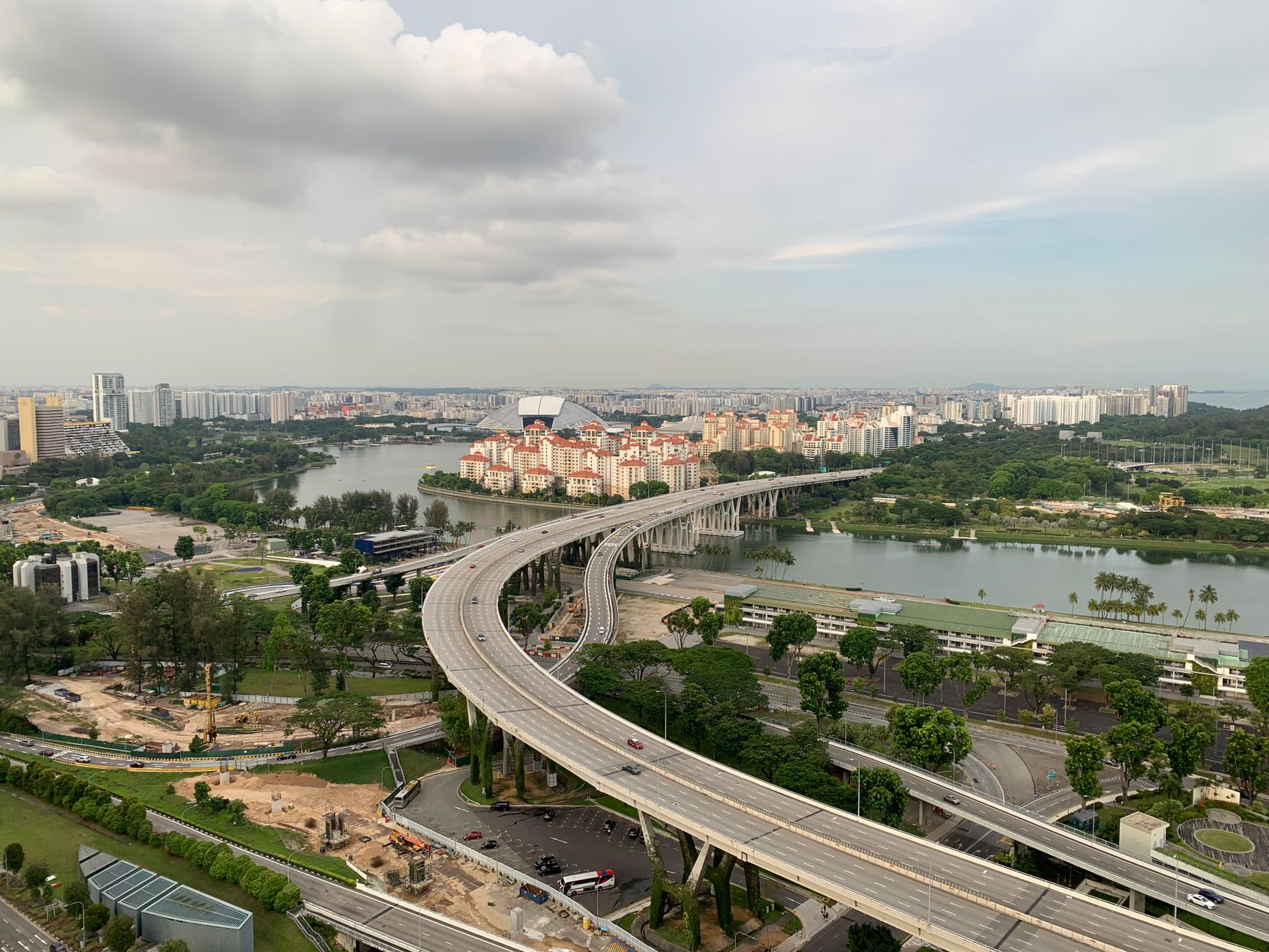
working from Singapore has serious implications, as demonstrated by an Australian man who was sacked after his laptop revealed he was not working from home.
The Consequences of Working from Singapore
The recent case of an Australian man who was dismissed from his job after it was revealed he was working from Singapore instead of his home has raised significant concerns among employees about the implications of remote work arrangements. The consequences of working from Singapore, or any location not disclosed to employers, can be severe and may result in job loss.
Many companies have strict policies regarding remote work to ensure productivity and accountability. When employees fail to adhere to these guidelines, they risk damaging their professional reputations and relationships with their employers. The following points highlight some potential repercussions:
- Job Security: Employees may find themselves at risk of termination if they violate company policies.
- Legal Issues: Working from another country can lead to complications regarding taxes and labor laws.
- Loss of Trust: Employers may struggle to trust employees who do not communicate openly about their work locations.
Ultimately, transparency is crucial in maintaining a healthy employer-employee relationship, especially in a remote work environment.
How Companies Monitor Remote Employees
In an era where remote work is increasingly common, companies are implementing various methods to monitor their employees’ activities. This trend raises questions about privacy and the implications of working from Singapore or other locations without employer consent.
Employers are employing several strategies to keep track of their remote workforce, including:
- Time Tracking Software: Many companies utilize applications that record the hours employees log in and out, ensuring that productivity is maintained.
- Screen Monitoring: Some organizations opt for tools that capture screenshots at regular intervals, allowing them to assess employee activity during work hours.
- GPS Tracking: For employees who are required to be on-site at specific locations, GPS tracking can confirm their whereabouts, which is crucial if they’re working from Singapore instead of their designated home office.
While these measures are intended to uphold accountability, they can also create an atmosphere of distrust, leading employees to feel surveilled rather than empowered. As remote work becomes the norm, striking a balance between monitoring and respect for privacy is essential.
Legal Implications of Remote Work
The rise of remote work has brought about various legal implications that employees must consider, particularly when working from Singapore. As companies adapt to flexible work arrangements, the jurisdiction of labor laws becomes a significant concern. Employees may unknowingly violate their employment contracts or local regulations by working from a different country.
In the case of the Australian man who was sacked after his employer discovered he was working from Singapore instead of home, several legal issues came to light. Companies have a responsibility to comply with local labor laws in the countries where their employees are based. This situation raises questions about:
- Tax obligations for both the employer and the employee.
- Legal liabilities in case of disputes.
- Compliance with visa regulations and work permits.
Employees must be aware of these factors and ensure that their remote work arrangements align with their company’s policies and local laws to avoid potential repercussions.
Employee Rights in Remote Work Scenarios
When considering working from Singapore, employees must be aware of their rights in remote work scenarios. The shift to remote work has introduced complexities regarding labor laws, which can vary significantly based on location.
In many cases, employees may not fully understand their rights, leading to potential exploitation. Here are some critical points to consider:
- Employment Contracts: It is essential to review the employment contract to understand the terms related to remote work and location.
- Local Labor Laws: Employees must be aware of the labor laws in the country they are working from, as these can affect their rights and benefits.
- Employer Obligations: Companies may have different obligations based on where an employee is physically located, which can impact salaries, working hours, and benefits.
- Tax Implications: Working from a different country can lead to complications regarding taxation, potentially resulting in unexpected financial burdens.
In light of recent incidents, like the Australian man who was dismissed for working from Singapore, employees should be vigilant in understanding their rights.
Photo by 博幸 中丸 on Pexels
Sources
Related reading
Flydubai Passenger Allegations: Honest Claims Against Crew · Higher mortgage rates create worst impact on home sales · Legal Action Muhammad Yunus: Bangladesh’s Bold Move Against Harassment















Leave a Reply