

US sanctions on Russian oil are set to reshape energy dynamics globally. Understanding these changes is crucial for India as it navigates its energy needs and geopolitical relations.
Overview of US Sanctions
The recent developments surrounding US sanctions on Russian oil have significant implications for countries like India. In light of the geopolitical tensions, the US has maintained a firm stance on its sanctions, aiming to limit Russia’s oil exports and financial resources. These sanctions were designed to pressure Russia into reconsidering its aggressive actions and policies, particularly regarding its involvement in various international conflicts.
For India, the situation presents both challenges and opportunities. On one hand, the sanctions could lead to an increase in global oil prices, affecting India’s energy imports and overall economic stability. On the other hand, India has been exploring alternative sources of oil to mitigate these impacts. The country is strategically diversifying its energy imports, seeking to strengthen its energy security in the face of fluctuating global oil markets.
- The sanctions aim to reduce Russia’s revenue from oil exports.
- India’s reliance on oil imports makes it vulnerable to price hikes.
- Efforts to secure alternative oil supplies are underway.
- India’s energy strategy includes exploring renewable resources.
As the situation evolves, the implications of US sanctions on Russian oil will continue to shape India’s energy landscape and economic policies.
Impact on Global Oil Prices
The imposition of US sanctions on Russian oil has led to significant fluctuations in global oil prices, impacting economies around the world. As the largest producer of oil, Russia’s exclusion from the market has created a ripple effect, leading to increased competition among other oil-producing nations.
In the wake of these sanctions, several key trends have emerged:
- Price Volatility: The restrictions on Russian oil exports have caused prices to soar, with Brent crude reaching its highest levels in years.
- Shift in Supply Chains: Countries reliant on Russian oil are now seeking alternative suppliers, which has disrupted existing trade agreements and increased transportation costs.
- Impact on OPEC: The Organization of the Petroleum Exporting Countries is facing pressure to adjust production levels to stabilize the market amid rising prices.
- Economic Strain: Countries like India, which heavily depend on oil imports, are feeling the pressure as the cost of crude oil directly affects inflation and consumer prices.
The US sanctions on Russian oil have not only influenced local markets but also reshaped global energy dynamics, prompting nations to reassess their energy strategies and alliances.
India’s Energy Dependency
India’s energy landscape has been significantly influenced by the ongoing geopolitical tensions and the US sanctions on Russian oil. As one of the fastest-growing economies, India relies heavily on oil imports to meet its energy needs. The country imports approximately 85% of its crude oil, making it vulnerable to fluctuations in global oil prices and supply disruptions.
The sanctions imposed by the United States have created a ripple effect across the global oil market. India, which has traditionally sourced a portion of its crude oil from Russia, faces challenges in maintaining energy security amidst these constraints. The restrictions not only affect the availability of Russian oil but also threaten to escalate prices further.
Several factors contribute to India’s energy dependency:
- Growing Demand: With a burgeoning population and industrial growth, India’s oil consumption continues to rise.
- Diverse Sources: Although India imports oil from various countries, the increasing complexity of geopolitical relationships makes diversification a challenge.
- Economic Considerations: High oil prices can adversely impact India’s economic stability, increasing inflation and affecting consumer spending.
As India navigates the implications of US sanctions on Russian oil, the government is exploring alternative sources while striving to ensure energy security for its citizens.
Reactions from Indian Government
The Indian government has expressed concern regarding the US sanctions on Russian oil, emphasizing the need for a balanced approach to energy sourcing. Officials have highlighted that while the sanctions aim to pressure Russia, they inadvertently affect global oil supply and prices, which ultimately impacts India.
In response to the evolving situation, the Ministry of Petroleum and Natural Gas stated, “India remains committed to securing energy supplies for its growing economy. We are closely monitoring the developments surrounding the US sanctions.” The government is actively exploring alternative avenues to mitigate potential disruptions in energy imports.
Moreover, Indian officials have been in dialogue with various stakeholders, seeking to ensure that the sanctions do not lead to a detrimental effect on domestic fuel prices. India’s energy dependency on foreign oil makes it crucial for the country to navigate these geopolitical challenges effectively.
Additionally, analysts within the government are assessing the implications of these sanctions on India’s long-term energy strategy. They advocate for a diversified approach to energy sourcing, which includes strengthening ties with other oil-producing nations.
As the situation unfolds, the Indian government remains vigilant, balancing its energy needs with the international diplomatic landscape.
Future of US-Russia Relations
The evolving landscape of US sanctions on Russian oil is likely to have significant implications for future relations between the United States and Russia. As the geopolitical tensions continue to rise, both nations are navigating a complex web of diplomacy, economic strategies, and energy dependencies.
The Biden administration’s approach to sanctions has already shifted the dynamics of US-Russia interactions. While previous administrations explored various avenues for engagement, the current stance emphasizes strict enforcement of sanctions aimed at undermining Russia’s economic stability, particularly in the energy sector.
Experts suggest that the US sanctions on Russian oil may compel Russia to strengthen its ties with alternative markets, particularly in Asia and Europe. This pivot could lead to a reconfiguration of global energy alliances, potentially isolating the US in terms of influence over energy security.
Moreover, the response from the Russian government has been assertive, with officials indicating their willingness to pursue partnerships with countries that are less aligned with US policies. As the situation unfolds, it remains to be seen how these sanctions will impact not only the bilateral relations between the two nations but also the broader geopolitical landscape.
In this context, India’s position will be crucial, as it seeks to balance its energy needs against the backdrop of global sanctions.
Analysis of Market Trends
The ongoing US sanctions on Russian oil have significantly influenced market trends, reshaping the dynamics of the global energy landscape. As countries adapt to these measures, several key developments have emerged:
- Shift in Supply Sources: With Russian oil facing sanctions, nations are exploring alternative suppliers. This has led to an increased demand for oil from the Middle East and the Americas, impacting pricing structures worldwide.
- Price Volatility: The sanctions have contributed to fluctuating oil prices, with spikes observed in Brent crude benchmarks. This unpredictability has forced countries like India to reassess their energy procurement strategies.
- Increased Import Costs: As India seeks to diversify its oil imports, the country faces higher costs due to global price increases. The dependency on imported crude oil becomes a burden, especially for an economy reliant on stable energy prices.
- Strategic Alliances: In response to the sanctions, India has begun strengthening ties with other oil-producing nations to secure favorable contracts and ensure energy security.
Overall, the repercussions of the US sanctions on Russian oil are being felt far beyond the immediate geopolitical landscape, affecting market stability and energy strategies across the globe.
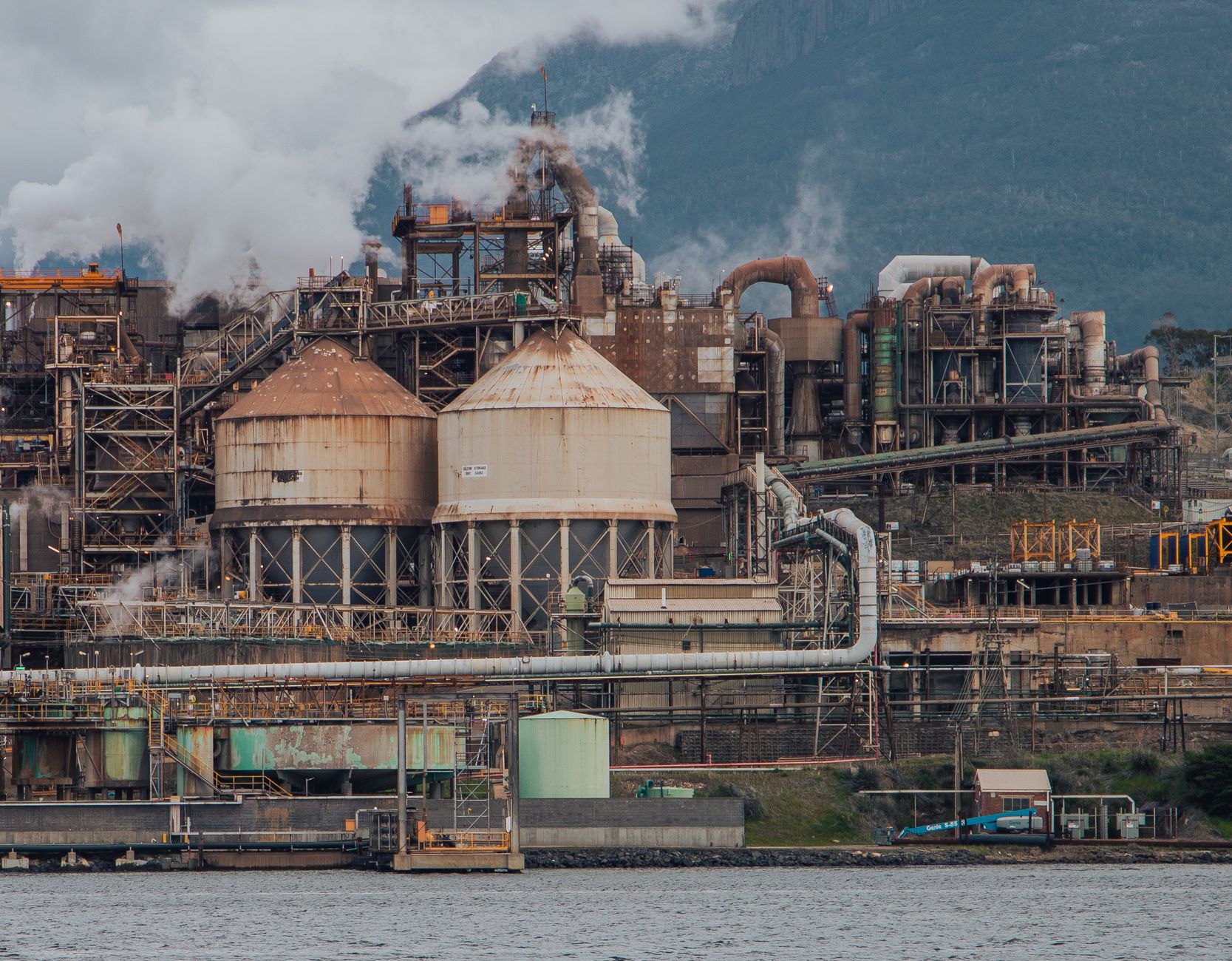
Photo by Спиридон Варфаламеев on Pexels














Leave a Reply