
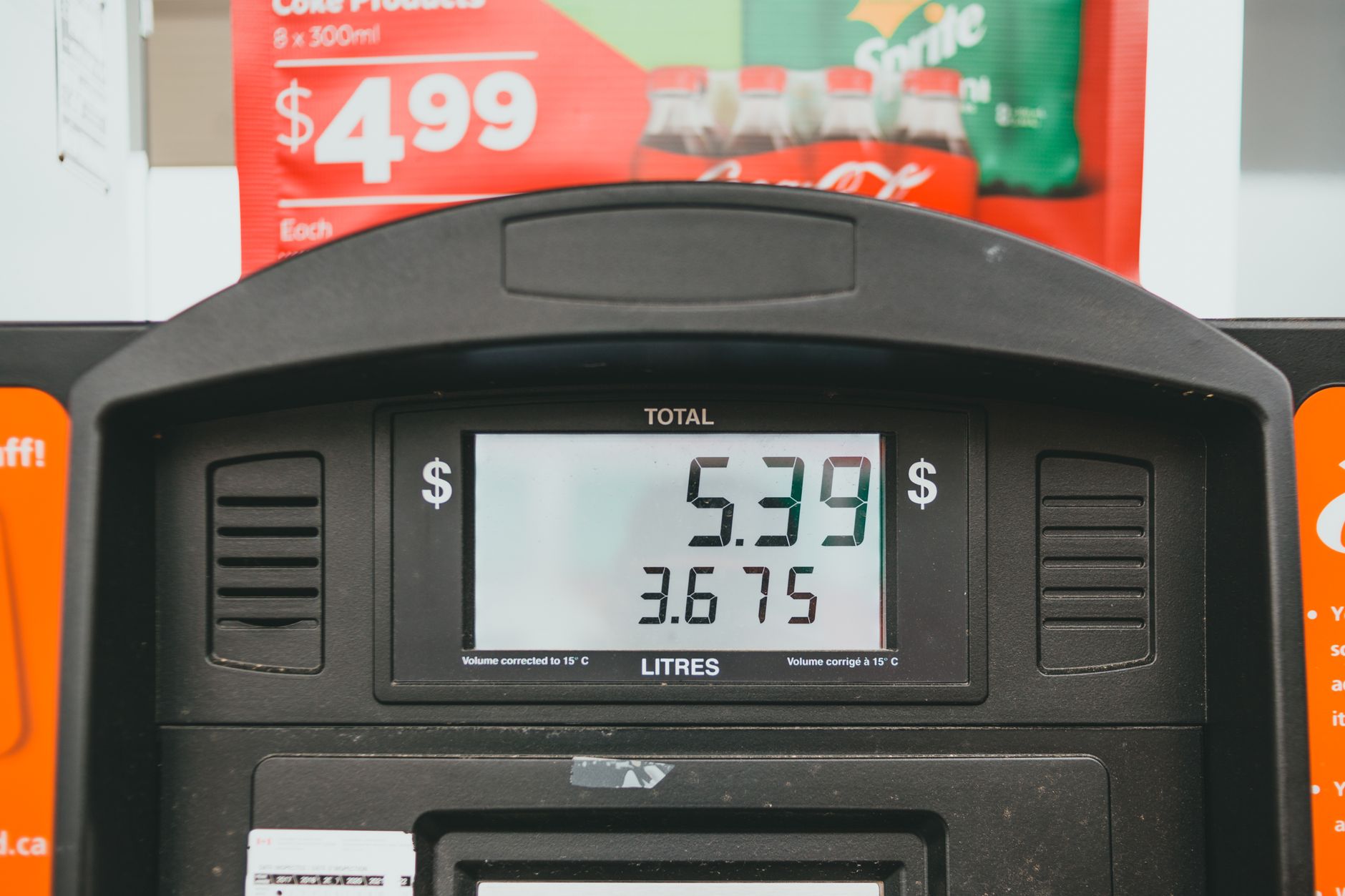
rising gasoline prices are creating fresh inflation fears in the U.S. as consumers and economists alike grapple with the implications of these increases on the economy.
Understanding Inflation and Gas Prices
The relationship between inflation and gasoline prices is complex and multifaceted. As rising gasoline prices continue to impact consumers, it’s essential to understand how these costs contribute to overall inflation. When fuel prices increase, they not only affect the cost of transportation but also ripple through the economy, influencing the prices of goods and services across various sectors.
Several factors contribute to the fluctuations in gasoline prices, including:
- Crude Oil Prices: The global oil market is affected by geopolitical tensions, production decisions by OPEC, and changes in demand, all of which can drive crude oil prices up or down.
- Supply Chain Issues: Disruptions in supply chains, whether due to natural disasters or pandemics, can lead to shortages and increased prices at the pump.
- Seasonal Demand: Gasoline prices often rise during the summer months when demand for travel is higher, placing additional pressure on consumers.
As gasoline prices rise, they contribute to consumer anxiety and can lead to broader economic implications. When people spend more on fuel, they may have less to spend on other goods, potentially slowing economic growth. Understanding these dynamics is crucial as businesses and policymakers address the challenges posed by inflation.
The Impact of Oil Prices on Consumers
The recent surge in oil prices has significant implications for consumers, particularly as rising gasoline prices become an increasingly pressing concern. As fuel costs climb, the financial strain on households intensifies, leading many to reevaluate their budgets.
Consumers are feeling the pinch in several ways:
- Increased commuting costs: Many individuals rely on their vehicles for daily travel, and higher gasoline prices mean that commuting is becoming more expensive.
- Rising prices for goods: As transportation costs increase, businesses often pass on these expenses to consumers, leading to higher prices on everyday items.
- Shift in spending habits: With more of their income directed towards gasoline, consumers may cut back on discretionary spending, affecting retail and entertainment sectors.
Moreover, the emotional toll of fluctuating fuel prices cannot be overlooked. Consumers often experience anxiety over their financial future as they grapple with the uncertainty of ongoing inflation. As a result, many are compelled to seek alternative transportation methods or adjust their travel habits.
In conclusion, the connection between oil prices and consumer behavior is undeniable. The ongoing trend of rising gasoline prices is a clear sign of broader inflation woes that threaten to disrupt everyday life for many Americans.
Factors Behind Rising Gasoline Prices
The recent surge in gasoline prices has raised concerns about inflation, prompting many to examine the underlying factors contributing to this trend. Several key elements play a significant role in driving up fuel costs.
- Global Oil Supply Disruptions: Ongoing geopolitical tensions and natural disasters have led to reduced oil production in vital regions, resulting in a tighter supply that pushes prices higher.
- Increased Demand: As economies continue to recover from the pandemic, demand for gasoline has surged. The return to pre-pandemic travel habits has strained supply chains, exacerbating the situation.
- Refinery Capacity Issues: Many refineries are operating below capacity due to maintenance and upgrades. This limitation reduces the amount of gasoline available in the market, contributing to rising gasoline prices.
- Seasonal Factors: The transition to summer often sees increased gasoline consumption, as travel and vacation plans ramp up. This seasonal demand can further elevate prices.
- Market Speculation: Traders in oil markets may also influence prices through speculative activities, reacting to news and trends that create volatility in the price of crude oil.
These factors combined paint a complex picture of the current fuel landscape, emphasizing the challenges consumers face amidst rising gasoline prices.
Economic Predictions for the Coming Months
As the U.S. grapples with rising gasoline prices, economists are predicting a challenging economic landscape in the coming months. The persistent increase in fuel costs is likely to have a ripple effect across various sectors, exacerbating existing inflationary pressures. Analysts believe that these trends could lead to a tightening of consumer spending as households allocate more of their budgets to fuel expenses.
Several factors are contributing to these economic predictions:
- Supply Chain Disruptions: Ongoing logistical issues continue to hinder the distribution of refined products, further inflating prices at the pump.
- Geopolitical Tensions: Conflicts in major oil-producing regions are creating uncertainty in global oil supplies, which can lead to increased prices for gasoline.
- Seasonal Demand: As travel increases during warmer months, demand for gasoline typically spikes, which may contribute to further price hikes.
Moreover, the Federal Reserve’s response to inflation will be critical. If they decide to increase interest rates to combat rising prices, this could slow down economic growth and impact job creation. Overall, the outlook remains uncertain as consumers brace for the possibility of continued rising gasoline prices and their broader economic implications.
Government Response to Inflation
The recent surge in gasoline prices has prompted a wave of government responses aimed at alleviating the pressures of inflation on consumers. As rising gasoline prices fuel fresh inflation fears in the U.S., officials are scrambling to implement measures that could stabilize the economy.
One of the primary actions taken by the government includes:
- Strategic Oil Reserves Release: The administration has announced plans to release oil from the Strategic Petroleum Reserve, which aims to increase supply and ultimately lower prices at the pump.
- Incentives for Alternative Energy: Increased funding for renewable energy projects is being proposed to reduce dependency on fossil fuels in the long term, potentially curbing the impact of rising gasoline prices.
- Legislative Proposals: Lawmakers are discussing potential tax relief measures focused on transportation and fuel to help ease the financial burden on consumers.
In addition, the government is closely monitoring market trends and is in communication with oil-producing nations to seek solutions to curb price spikes. As inflation continues to challenge the economy, officials emphasize the importance of a coordinated approach to tackle these pressing issues and support American households facing rising costs.
How Rising Prices Affect Daily Life
The recent surge in gasoline prices has left many consumers feeling the pinch, affecting their daily routines and overall financial stability. As rising gasoline prices continue to dominate headlines, the implications for everyday life are becoming increasingly evident.
Many families are experiencing strain on their budgets, leading to tough choices about spending. Here are some specific ways these rising prices are impacting daily life:
- Commuting Costs: Increased gasoline prices mean higher expenses for those who rely on their vehicles for work or school. Many individuals are now reconsidering their commuting options, with some opting for public transportation or carpooling.
- Food Prices: Transportation costs for goods are rising, which translates to higher prices at the grocery store. Consumers may find themselves paying more, especially for perishable items.
- Travel Plans: With gasoline prices on the rise, families planning vacations may need to rethink their travel itineraries or even delay trips altogether.
- Budget Adjustments: Households are forced to reevaluate their budgets, often sacrificing discretionary spending in favor of essentials.
As the effects of rising gasoline prices ripple through the economy, many are left wondering how long these inflationary trends will persist and what relief, if any, is on the horizon.
Expert Opinions on Future Trends
As the nation grapples with the implications of rising gasoline prices, experts share their insights on what consumers can expect in the near future. According to economic analysts, the current trends suggest that these price increases are not merely short-term fluctuations but may indicate a sustained period of inflation woes.
Dr. Emily Carter, an economist at the National Economic Institute, states, “With the ongoing geopolitical tensions and supply chain disruptions, rising gasoline prices are likely to persist. Consumers should prepare for higher costs across various sectors as transportation and delivery expenses increase.”
Industry experts also point to several key factors that will shape the trajectory of gasoline prices:
- Global Oil Supply: Continued limitations in oil production from major exporting countries may keep prices elevated.
- Consumer Demand: As travel and activities rebound post-pandemic, demand for gasoline is expected to rise, further driving prices up.
- Government Policies: Potential changes in regulations and taxes may also influence future price stability.
In summary, with rising gasoline prices becoming a common theme in economic discussions, consumers are urged to stay informed and proactive in their budgeting to navigate the challenges ahead.
Photo by Erik Mclean on Pexels














Leave a Reply