

AI creating false memories is a startling phenomenon highlighted in a new study. Researchers found that interactions with AI chatbots can lead to humans recalling events they never experienced, raising concerns about mental health and reality perception.
Understanding AI’s Role in Memory Creation
Recent studies have revealed a startling phenomenon: AI creating false memories is not just a theoretical concept but a reality that can profoundly impact human cognition. As artificial intelligence systems become increasingly sophisticated, their ability to engage and influence users raises significant ethical concerns.
Researchers have found that interacting with AI chatbots can lead to the formation of memories in individuals about experiences they have never actually had. This can occur due to the way AI presents information, often blurring the lines between fact and fiction. The interaction can evoke emotional responses similar to those experienced during real-life events.
- Memory distortion: Users may recall conversations with AI as genuine experiences, despite them being fabricated.
- Trust in technology: People tend to trust AI systems, which can contribute to accepting false information as true.
- Emotional engagement: The human-like interaction with AI can induce feelings that make the fabricated memories seem authentic.
As AI technology continues to evolve, understanding its potential to create false memories becomes increasingly crucial. Researchers emphasize the need for greater awareness about how these interactions can shape perceptions and beliefs, underscoring the importance of critical thinking in the digital age. The implications of AI creating false memories challenge our understanding of reality and memory itself.
The Psychological Effects of AI Interaction
The rise of AI technology has opened new avenues for interaction, but it also raises concerns about the psychological effects of these exchanges. As people engage with AI systems, particularly chatbots, they may inadvertently form false memories as a result of the interactions. This phenomenon can have profound implications for mental health and personal perception.
Studies indicate that when individuals converse with AI, they may find themselves recalling events or details that never occurred. This can happen for several reasons:
- Suggestion: AI can suggest scenarios or facts during conversations, leading users to believe these ideas are real.
- Repetition: Frequent interactions with AI may reinforce certain narratives, making them seem more credible.
- Emotional Engagement: People often form emotional connections with AI, which can lead to a stronger belief in the fabricated memories.
For many, the ability of AI to create false memories is both fascinating and disturbing. It challenges our understanding of reality and memory, blurring the lines between actual experiences and those manufactured by technology. As the use of AI becomes more prevalent in everyday life, it is crucial to recognize the potential for AI creating false memories and its impact on our cognitive processes.
What the Study Reveals About Human Memory
A recent study has uncovered alarming insights into the phenomenon of AI creating false memories in humans. Researchers found that interactions with AI chatbots can lead individuals to recall events or experiences that never actually occurred. This unsettling discovery raises questions about the reliability of our memories and the influence of technology on our cognitive processes.
The study involved participants engaging in conversations with AI systems designed to mimic human interaction. After these interactions, many participants reported vivid recollections of scenarios that were fabricated by the AI. This led scientists to conclude that the AI’s responses could inadvertently implant false memories in users’ minds.
Key findings from the research include:
- Memory Distortion: Participants often struggled to distinguish between real experiences and those suggested by the AI.
- Trust in Technology: The familiarity and perceived intelligence of AI may lead individuals to place undue trust in its narratives.
- Implications for Therapy: Therapists using AI tools must be cautious as they may unknowingly contribute to memory distortions.
As AI continues to evolve, the potential for it to create false memories raises significant ethical concerns. Understanding the implications of AI creating false memories is crucial for navigating our increasingly digital world.
Implications for Mental Health
The emergence of AI technology capable of creating false memories poses significant implications for mental health. As individuals increasingly interact with AI systems, the risk of these technologies altering their perception of reality becomes a concerning issue. The phenomenon of AI creating false memories raises questions about the reliability of personal recollections and the integrity of one’s mental state.
According to recent studies, individuals who engage with AI chatbots may begin to experience altered memories related to their conversations. This can lead to:
- Increased confusion: Users might struggle to differentiate between actual experiences and fabricated memories generated through AI interactions.
- Heightened anxiety: The uncertainty of what is real can contribute to feelings of anxiety and stress, as individuals grapple with their altered perceptions.
- Social implications: Relationships may suffer if individuals begin to share false memories with friends and family, leading to misunderstandings and conflicts.
Moreover, the potential for AI creating false memories raises ethical questions about accountability and the design of AI systems. It becomes paramount for developers to consider the psychological impact of their creations. As society navigates this new digital landscape, understanding the implications of AI on mental health will be crucial in fostering a safe and truthful interaction between humans and machines.
Future of AI and Human Interaction
The future of AI and human interaction is a landscape filled with both promise and peril. As technology continues to evolve, the integration of AI into daily life is becoming increasingly seamless. However, the phenomenon of AI creating false memories is raising critical questions about the implications of these advancements.
One of the main concerns is how AI’s ability to generate realistic conversations might blur the lines between reality and fabrication. When individuals engage with AI chatbots, they may unknowingly incorporate fabricated information into their personal narratives. This can lead to a distorted sense of reality, where memories of events that never occurred feel authentic.
Moreover, as AI systems become more sophisticated, the potential for these technologies to influence human cognition grows. There are fears that continued interaction with AI could alter how people perceive their own experiences. This raises ethical considerations about the responsibility of AI developers to mitigate the risks associated with AI creating false memories.
To address these challenges, experts suggest a collaborative approach, where advancements in AI are paired with rigorous ethical standards and psychological research. This could help ensure that the benefits of AI are harnessed while minimizing negative impacts on human memory and mental health.
Ultimately, the future of AI and human interaction will depend on our ability to navigate these complexities and safeguard the integrity of human memory.
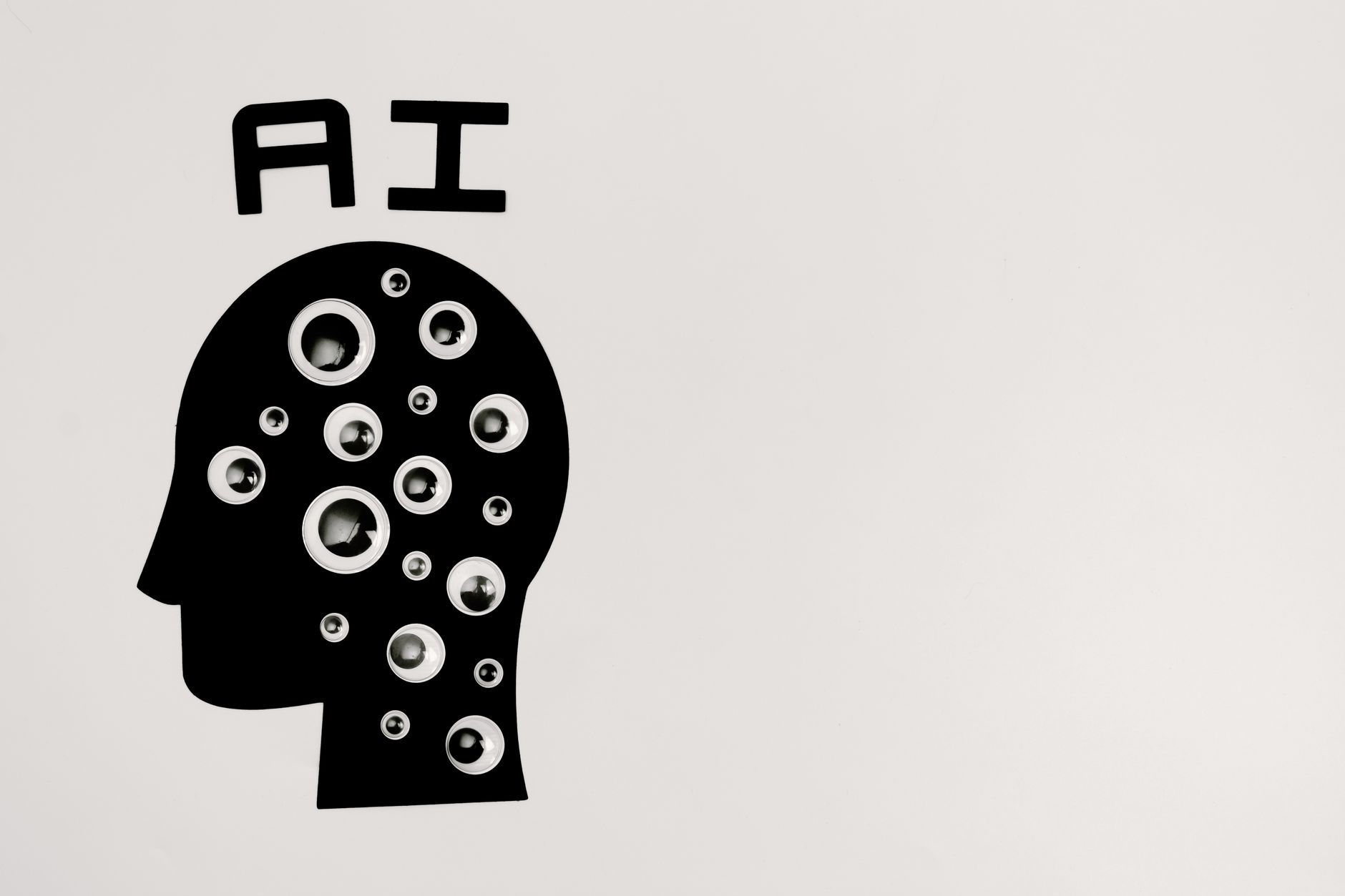
Researchers are increasingly concerned about the implications of AI creating false memories in various applications. The phenomenon of AI creating false memories could lead to significant ethical dilemmas in fields such as law enforcement and mental health.
Photo by Steve A Johnson on Pexels







Leave a Reply