
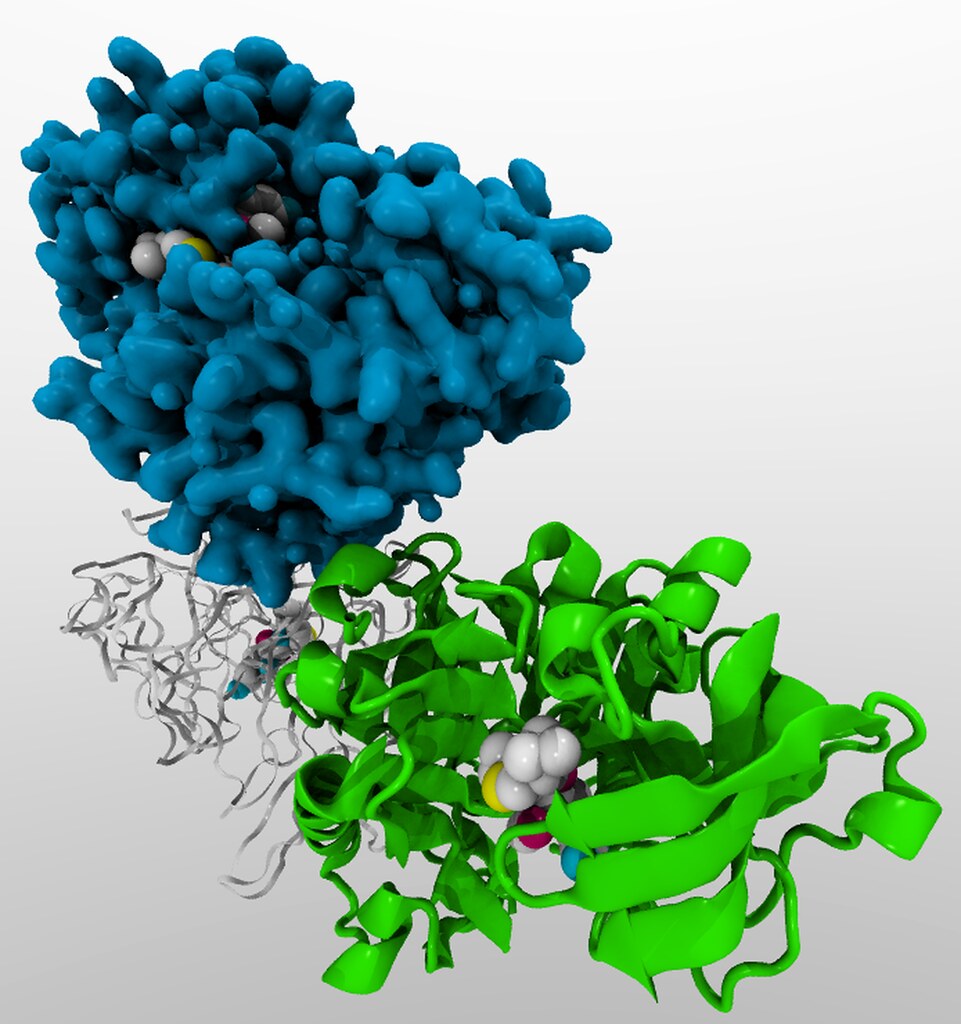
Alzheimer’s disease molecular programs are significantly reshaped by spaceflight, revealing potential new avenues for research and treatment. This groundbreaking study highlights how unique conditions can influence brain health at a molecular level.
Understanding Alzheimer’s Disease
Alzheimer’s disease, a complex neurodegenerative disorder, has garnered significant attention in recent years due to its profound impact on cognitive function and quality of life. Understanding Alzheimer’s disease is crucial for developing effective treatments and interventions. Recent research highlights the role of molecular programs in the progression of this disease, offering insights into its underlying mechanisms.
Studies utilizing human brain organoids have provided valuable data regarding the alterations in molecular programs associated with Alzheimer’s disease. These organoids, which mimic the human brain’s structure and function, allow scientists to observe how various factors influence disease development.
Key findings include:
- Spaceflight effects: Experiments indicate that conditions experienced during spaceflight can reshape molecular programs linked to Alzheimer’s.
- Cellular responses: Changes in cellular behavior observed in organoids may reflect alterations in Alzheimer’s disease molecular programs.
- Therapeutic potential: Insights from these studies could lead to novel therapeutic strategies targeting the molecular pathways involved.
As research continues, understanding Alzheimer’s disease molecular programs remains a pivotal area for future exploration and innovation.
Impact of Spaceflight on Health
Recent research has revealed that spaceflight can significantly alter health, particularly in the context of Alzheimer’s disease molecular programs. Scientists have been studying how the unique environment of space affects human biology, and findings suggest that microgravity can reshape key molecular pathways associated with Alzheimer’s.
In a groundbreaking study, human brain organoids were exposed to conditions simulating spaceflight. The results indicated notable changes in gene expression related to neurodegeneration and inflammation. Specifically, researchers observed:
- Increased activation of pathways linked to amyloid-beta accumulation, a hallmark of Alzheimer’s disease.
- Altered expression of genes involved in synaptic function and neuronal health.
- Elevated inflammatory markers, which may contribute to cognitive decline.
These insights enhance our understanding of Alzheimer’s disease molecular programs, suggesting that environmental factors like spaceflight may influence disease progression. This research opens new avenues for investigating how external conditions impact brain health and could lead to innovative strategies for mitigating Alzheimer’s disease in various environments.
Molecular Changes in the Brain
Recent research highlights significant molecular changes in the brain that are associated with Alzheimer’s disease. These alterations can provide crucial insights into the disease’s progression and potential therapeutic targets.
One of the key findings is the effect of environmental factors, such as spaceflight, on the molecular programs linked to Alzheimer’s disease. The study of human brain organoids has revealed that the stressors of spaceflight can reshape these molecular pathways, offering a unique perspective on how external factors influence brain health.
The research identified several critical molecular changes, including:
- Alterations in gene expression: Many genes associated with neurodegeneration were found to be upregulated or downregulated.
- Changes in protein synthesis: Proteins involved in synaptic function and plasticity showed significant variations.
- Increased inflammatory markers: The presence of neuroinflammation was noted, which is often correlated with Alzheimer’s pathology.
Understanding these molecular changes is essential for developing strategies to combat Alzheimer’s disease and improve brain health in various environments.
Research Methodology Explained
The research methodology employed in this study was designed to provide a comprehensive understanding of Alzheimer’s disease molecular programs and their alterations due to spaceflight. The investigation utilized advanced human brain organoids, which are three-dimensional cell cultures that replicate the architecture and functionality of the human brain.
To explore these molecular changes, researchers followed a multi-step approach:
- Sample Preparation: Human-derived stem cells were differentiated into brain organoids, allowing for the study of neuronal development and disease progression.
- Exposure to Spaceflight Conditions: The organoids were subjected to simulated microgravity environments, mimicking the conditions experienced during space travel.
- Molecular Profiling: High-throughput sequencing techniques were employed to analyze gene expression patterns and identify alterations in Alzheimer’s disease molecular programs.
- Data Analysis: Bioinformatics tools were used to interpret the results, enabling the researchers to pinpoint specific molecular pathways affected by the spaceflight environment.
This rigorous methodology provided valuable insights into how spaceflight may influence brain health and the underlying mechanisms of Alzheimer’s disease, highlighting the significance of environmental factors in neurodegenerative disorders.
Future Directions in Alzheimer’s Research
As research continues to advance, future directions in Alzheimer’s disease molecular programs are becoming increasingly vital for developing effective treatments. Scientists are exploring various innovative approaches to deepen our understanding of the disease.
One promising avenue is the investigation of gene therapy, which aims to modify or replace genes that contribute to Alzheimer’s pathology. By targeting specific molecular programs, researchers hope to halt or even reverse the progression of the disease.
Additionally, in vivo studies utilizing animal models are being enhanced to better replicate human brain conditions. This could lead to breakthroughs in identifying biomarkers that are crucial for early diagnosis.
Furthermore, the impact of environmental factors, such as spaceflight, is also being studied to understand how these elements interact with Alzheimer’s disease molecular programs. This research could unveil new insights into the disease’s mechanisms and potential interventions.
- Investigation of gene therapy
- Enhanced in vivo studies
- Impact of environmental factors
These directions hold great promise for paving the way toward more effective strategies in the fight against Alzheimer’s disease.
By Enzymlogic via Openverse
Read the original
Related stories
Tariffs on Indian Goods: The Worst Impact on Trade Relations · Casino F1 dla polskich użytkowników – Metody płatności i szybkie transakcje · Pinco casino Türkiye’de – kullanıcı deneyimi ve arayüz





Leave a Reply