
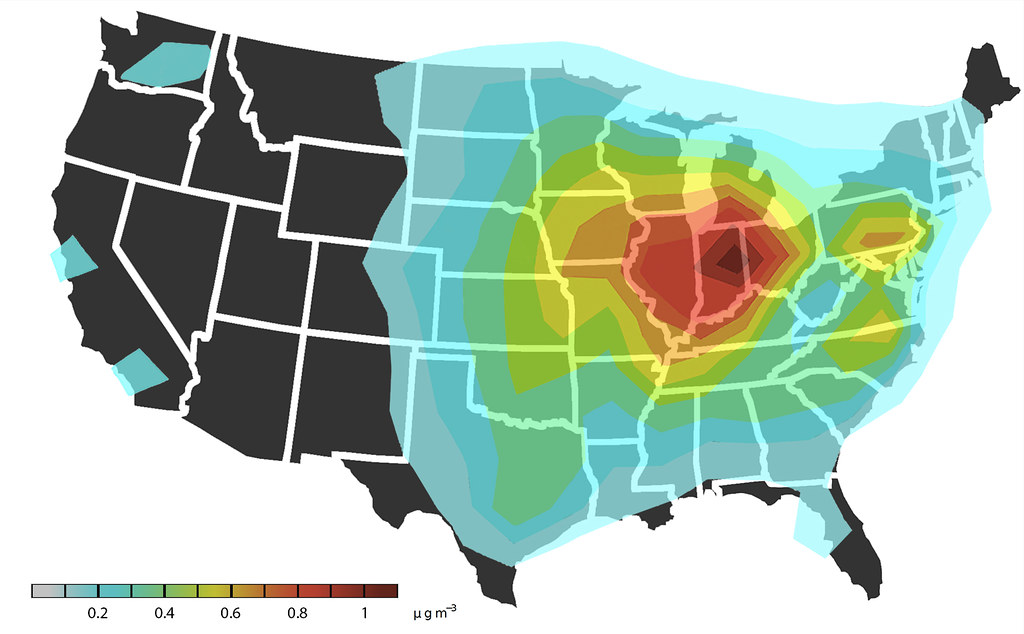
Research in health is crucial for advancing medical knowledge and improving patient outcomes. Recent discoveries from space are shedding light on hidden aspects of health on Earth.
The Role of Space in Health Research
Research in health has found a unique ally in space exploration, revealing insights that can lead to significant advancements in medicine. With satellites and space missions, scientists can monitor environmental changes, which directly impact public health. For instance, data collected from space can track air quality and its effects on respiratory diseases.
Moreover, the microgravity environment of space allows researchers to conduct experiments that are impossible on Earth. This setting has led to breakthroughs in understanding cellular processes and disease mechanisms, providing a fresh perspective on health challenges.
Some proven methods stemming from these studies include:
- Drug Development: Accelerated testing of pharmaceuticals in microgravity.
- Telemedicine: Innovations in remote health monitoring and treatment.
- Behavioral Health Studies: Insight into mental health impacts during long-duration space missions.
These advancements underscore the critical role that research in health plays in enhancing our understanding of both terrestrial and extraterrestrial medical challenges.
Recent Breakthroughs in Medicine
Recent breakthroughs in medicine have been significantly influenced by innovative research in health, leading to advancements that change patient care and treatment outcomes. One notable area is the development of personalized medicine, which tailors treatment plans based on an individual’s genetic makeup. This approach allows for more effective therapies and minimizes side effects.
Additionally, researchers are exploring the potential of artificial intelligence in diagnostics, which can enhance accuracy and speed in identifying diseases. This technology aids healthcare professionals in making informed decisions, ultimately improving patient management.
Moreover, the integration of telemedicine has transformed how patients access care, particularly in remote areas. With virtual consultations, individuals can receive timely medical advice without the need for travel.
The ongoing commitment to research in health continues to drive these advancements, ensuring that medical practices evolve in response to emerging challenges and patient needs.
How Space Insights Improve Health
Recent developments in space exploration have significantly influenced research in health, revealing insights that directly impact medical practices on Earth. By utilizing advanced imaging technologies and remote sensing from satellites, scientists can monitor environmental changes and their effects on human health.
One notable application is the tracking of air quality and its correlation with respiratory diseases. Space-based data helps researchers identify pollution hotspots and understand their health implications, leading to improved public health policies.
Additionally, satellite imagery is instrumental in mapping disease outbreaks and predicting their spread. This capability enables timely interventions, potentially saving countless lives. The ability to observe the Earth from above has uncovered patterns that were previously hidden, thus enhancing our understanding of health-related issues.
As we continue to explore the cosmos, the intersection of space research and health offers promising opportunities for advancing medicine and improving global health outcomes.
The Connection Between Space and Earth
The connection between space and Earth has revealed significant insights that impact research in health. Astronauts living in microgravity environments provide a unique opportunity to study the human body under conditions that cannot be replicated on Earth. This research has uncovered vital information about muscle atrophy, bone density loss, and fluid distribution, all of which are essential for understanding various health conditions on our planet.
These findings have led to the development of advanced medical treatments and rehabilitation techniques that benefit not only astronauts but also patients suffering from similar conditions on Earth. For instance, therapies derived from space research have improved outcomes for individuals with osteoporosis and those recovering from surgeries.
Moreover, the technology and methodologies used in space research often translate into better diagnostic tools and treatment options. As scientists continue to explore the cosmos, the ongoing advancements in research in health promise to enhance our understanding of the human body and improve medical practices globally.
Innovative Methods in Health Research
Innovative methods in health research are transforming the landscape of medicine and improving patient outcomes. One approach gaining traction is big data analytics, which allows researchers to analyze vast amounts of health information quickly, leading to more personalized treatment plans. Additionally, the integration of artificial intelligence in diagnostic processes enhances accuracy and efficiency, enabling earlier detection of diseases.
Another promising method involves telemedicine, which has expanded access to care, particularly in remote areas. This technology not only facilitates consultations but also allows for continuous monitoring of patients’ health conditions.
Furthermore, collaborative research initiatives that bridge the gap between disciplines are yielding innovative solutions to complex health challenges. By leveraging insights from various fields, such as engineering and social sciences, these initiatives promote a holistic understanding of health issues.
Through these innovative methods in health research, the medical community is poised to make significant strides in advancing treatment and improving patient care.
Future of Medical Advancements
As we look toward the future of medical advancements, the integration of cutting-edge technology and innovative research in health is becoming increasingly critical. Scientists and healthcare professionals are exploring various avenues to enhance patient care and treatment outcomes.
Some key areas of focus include:
- Artificial Intelligence: Leveraging AI algorithms to analyze vast amounts of data can lead to personalized treatment plans and improved diagnostic accuracy.
- Telemedicine: The rise of remote healthcare services enables patients to access medical advice and consultations from the comfort of their homes.
- Genomic Research: Advancements in gene editing and sequencing offer exciting possibilities for targeting diseases at their root cause.
- Wearable Technology: Devices that monitor health metrics in real-time are empowering individuals to take charge of their health.
These methodologies represent just a glimpse into how research in health is evolving, paving the way for a more efficient and effective healthcare system in the future.
Challenges in Health Research
Research in health faces a multitude of challenges that can hinder progress and delay breakthroughs in medicine. Some of the most significant obstacles include:
- Funding Limitations: Many health research projects rely on grants and donations, which can be inconsistent and unpredictable, often limiting the scope of studies.
- Regulatory Hurdles: Navigating the complex landscape of regulations surrounding clinical trials can slow down the research process, affecting timelines and outcomes.
- Access to Data: The need for comprehensive and accurate data is critical, yet many researchers struggle with data privacy issues and the availability of health records.
- Interdisciplinary Collaboration: Effective health research often requires collaboration across various fields, but communication barriers can impede teamwork and innovation.
Despite these challenges, dedicated researchers continue to seek solutions, leveraging innovative methods to advance the field and improve health outcomes for communities worldwide.
By NASA Goddard Photo and Video via Openverse
Where this came from
France 24 · Health policy and systems research
Reopen Kartarpur corridor: A Clear Call for Action · Jimmy Gomez Resignation: The Honest Truth Behind Ethics Report · Bulky Diffuse Large B Cell Lymphoma: Proven Treatment Insights






Leave a Reply