

AI-created plague prevention is a pressing concern as technology advances. Understanding how to mitigate risks associated with AI-generated threats is essential for safeguarding public health.
Understanding AI-Generated Threats
As technology evolves, so do the threats it poses. The emergence of AI-generated threats raises significant concerns, particularly regarding public health. Understanding the nature of these threats is crucial for effective prevention strategies. AI-created plague prevention strategies leverage advanced algorithms to predict and mitigate the risks associated with potential outbreaks.
One of the primary challenges is the ability of artificial intelligence to simulate various scenarios, including the spread of infectious diseases. By analyzing vast amounts of data, AI can identify patterns and anticipate potential outbreaks before they occur. This proactive approach is essential in addressing the complexities of modern-day pandemics.
To better comprehend these threats, experts recommend considering the following:
- Data Analysis: AI can process information from various sources, allowing for real-time monitoring of health trends.
- Predictive Modeling: By simulating outbreak scenarios, AI helps in strategizing effective containment measures.
- Resource Allocation: AI-generated insights can optimize the distribution of medical supplies and personnel during a crisis.
In conclusion, understanding the implications of AI-created threats is vital for developing comprehensive plague prevention strategies that safeguard public health.
The Rise of AI in Disease Creation
The emergence of artificial intelligence (AI) has transformed various sectors, including healthcare and disease prevention. As we witness an increasing reliance on technology, the potential for AI-created threats, such as plagues, has become a pressing concern. Experts warn that while AI can be instrumental in developing innovative solutions, it also poses risks when employed with malicious intent.
AI’s capabilities in analyzing vast datasets and generating predictive models offer significant advantages in public health. However, this same technology can be harnessed to create bioengineered pathogens, leading to unprecedented challenges in disease control. The need for robust strategies to counter these threats has never been more urgent.
In response to the risks associated with AI-generated diseases, researchers are exploring several preventive measures:
- Enhanced Surveillance: Implementing AI-driven monitoring systems to detect outbreaks early.
- Rapid Response Teams: Establishing specialized units trained to handle AI-created threats effectively.
- Public Awareness Campaigns: Educating communities about the dangers of AI-created plague prevention and the importance of vigilance.
By leveraging technology wisely, society can mitigate the risks posed by AI and enhance its capacity for plague prevention.
How to Identify Potential AI Threats
Identifying potential AI threats is crucial in the context of AI-created plague prevention. As artificial intelligence continues to evolve, it is essential to remain vigilant and aware of the signs that may indicate an emerging risk. Here are some key strategies to help identify these threats:
- Monitoring AI Development: Keep track of advancements in AI technologies and their potential applications in healthcare. Understanding how AI is being utilized can help predict possible misuse.
- Analyzing Data Patterns: Utilize data analytics to identify unusual patterns in disease outbreaks. Sudden spikes in illness rates may signal an AI-generated threat.
- Engaging with Experts: Collaborate with epidemiologists and AI specialists to assess the risks associated with AI-generated scenarios. Their insights can provide valuable context for potential threats.
- Public Awareness Campaigns: Educate communities about the signs of AI threats and the importance of reporting unusual health phenomena. Awareness can lead to quicker responses.
- Establishing Regulatory Frameworks: Advocate for policies that regulate AI research and applications, ensuring safety measures are in place to prevent misuse.
By implementing these strategies, individuals and communities can better safeguard against the risks posed by AI technologies.
Community Preparedness for AI Risks
As technology continues to advance, communities must be prepared for the potential risks associated with AI-generated threats, particularly in the realm of public health. Community preparedness is essential in mitigating the impacts of an AI-created plague. By fostering a culture of awareness and readiness, citizens can better respond to emerging challenges.
Effective strategies for community preparedness include:
- Education and Training: Organizing workshops and seminars to educate the public about AI risks and plague prevention techniques can empower individuals to take action.
- Collaboration with Experts: Engaging with health professionals and AI specialists can provide valuable insights into the evolution of threats and the importance of rapid response systems.
- Emergency Response Plans: Developing comprehensive plans that address potential AI threats, including communication protocols and resource allocation, can enhance community resilience.
- Community Drills: Conducting regular drills simulating an AI-created plague outbreak can help residents practice their responses and identify areas for improvement.
By employing these strategies, communities can effectively prepare for the future, ensuring they are equipped to handle any challenges posed by AI-generated threats and contribute to the broader goal of AI-created plague prevention.
Legal Implications of AI-Created Diseases
The advent of AI technology in the field of medicine brings with it a myriad of legal implications, especially regarding AI-created plague prevention. As researchers harness the power of artificial intelligence to develop strategies against potential outbreaks, the legal landscape must evolve to address new challenges.
One significant concern revolves around liability. If an AI system inadvertently creates a harmful pathogen, questions arise about who is responsible: the developers, the institutions using the technology, or the AI itself? This uncertainty necessitates clear legal frameworks to define accountability and ensure public safety.
Moreover, intellectual property rights become complex in the context of AI-generated content. Innovations in plague prevention may result from collaborative efforts between humans and machines, making it difficult to attribute ownership. Legal experts argue for an updated approach to copyright and patent laws to protect both human inventors and AI systems.
Additionally, ethical considerations play a crucial role. Regulations need to ensure that AI is used responsibly, balancing innovation with safety. Stakeholders, including governments and tech companies, must work together to establish guidelines that promote responsible research while preventing misuse of AI technology in creating biological threats.
Ultimately, addressing these legal implications is essential to harnessing AI for effective plague prevention.
Global Responses to AI-Generated Plagues
As the world grapples with the potential threats posed by AI-generated plagues, global responses have become increasingly vital in safeguarding public health. Governments, organizations, and researchers are collaborating to develop effective strategies to combat these risks.
Many nations are implementing surveillance systems that utilize AI to identify and track outbreaks of diseases that may arise from artificial intelligence interventions. These systems are designed to quickly analyze data from various sources, enabling rapid responses to any emerging threats.
In addition to surveillance, international collaboration is essential. Countries are sharing data and resources to enhance their collective capabilities in detecting and mitigating the impact of AI-created plagues.
Furthermore, investment in public health infrastructure is critical. This includes improving healthcare access, enhancing laboratory capacities, and ensuring that the workforce is adequately trained to respond to potential outbreaks.
Research initiatives are also focusing on the ethical implications and preventive measures related to AI technology. By fostering a comprehensive understanding of AI-created plague prevention, stakeholders can better prepare for and respond to these unprecedented threats.
Ultimately, a proactive and united global approach is necessary to navigate the challenges posed by AI-generated diseases.
Best Practices for AI Safety
As the threat of AI-created plagues looms, adopting best practices for AI safety becomes crucial. Individuals and communities can implement various strategies to mitigate risks associated with artificially generated diseases.
First and foremost, it is essential to stay informed about the latest developments in AI technology and its implications for public health. Regularly following reliable sources helps individuals recognize potential risks early on.
Additionally, fostering a culture of transparency within organizations that utilize AI is vital. Open communication about AI systems can enhance trust and allow for a more collective approach to identifying and addressing threats.
Another important practice is establishing a robust reporting system for unusual health patterns, which can be useful for monitoring the emergence of AI-generated diseases. Collaboration between local health authorities and technology experts can facilitate rapid response strategies.
Furthermore, investing in research focused on AI-created plague prevention will enable communities to develop effective countermeasures. Supporting initiatives that promote ethical AI use and responsible innovation can also play a significant role in reducing the likelihood of such threats.
By implementing these best practices, individuals and communities can better equip themselves against the challenges posed by potential AI-created plagues.
Future Outlook on AI and Public Health
As we look to the future, the integration of artificial intelligence into public health strategies is poised to transform our approach to epidemic prevention. The concept of AI-created plague prevention is not merely theoretical; it represents a proactive stance against potential threats posed by advancing technology. Experts anticipate that AI will play a crucial role in monitoring disease patterns and predicting outbreaks before they escalate.
Key advancements in data analysis will allow public health officials to utilize AI algorithms to identify and respond to anomalies in health data, providing an early warning system for potential plagues. This capability will enable quicker responses and targeted interventions, minimizing the impact of outbreaks on communities.
Furthermore, collaboration between tech companies and health organizations will be essential. By fostering partnerships, these entities can leverage AI’s capabilities to develop vaccines and treatments with unprecedented speed and precision. As regulations evolve to keep pace with technology, ensuring ethical standards in AI deployment will also be paramount.
In summary, the future outlook on AI and public health is bright, with AI-created plague prevention strategies promising to enhance our ability to safeguard public health and mitigate the risks of disease. Continuous innovation and vigilance will be key to harnessing AI’s full potential.
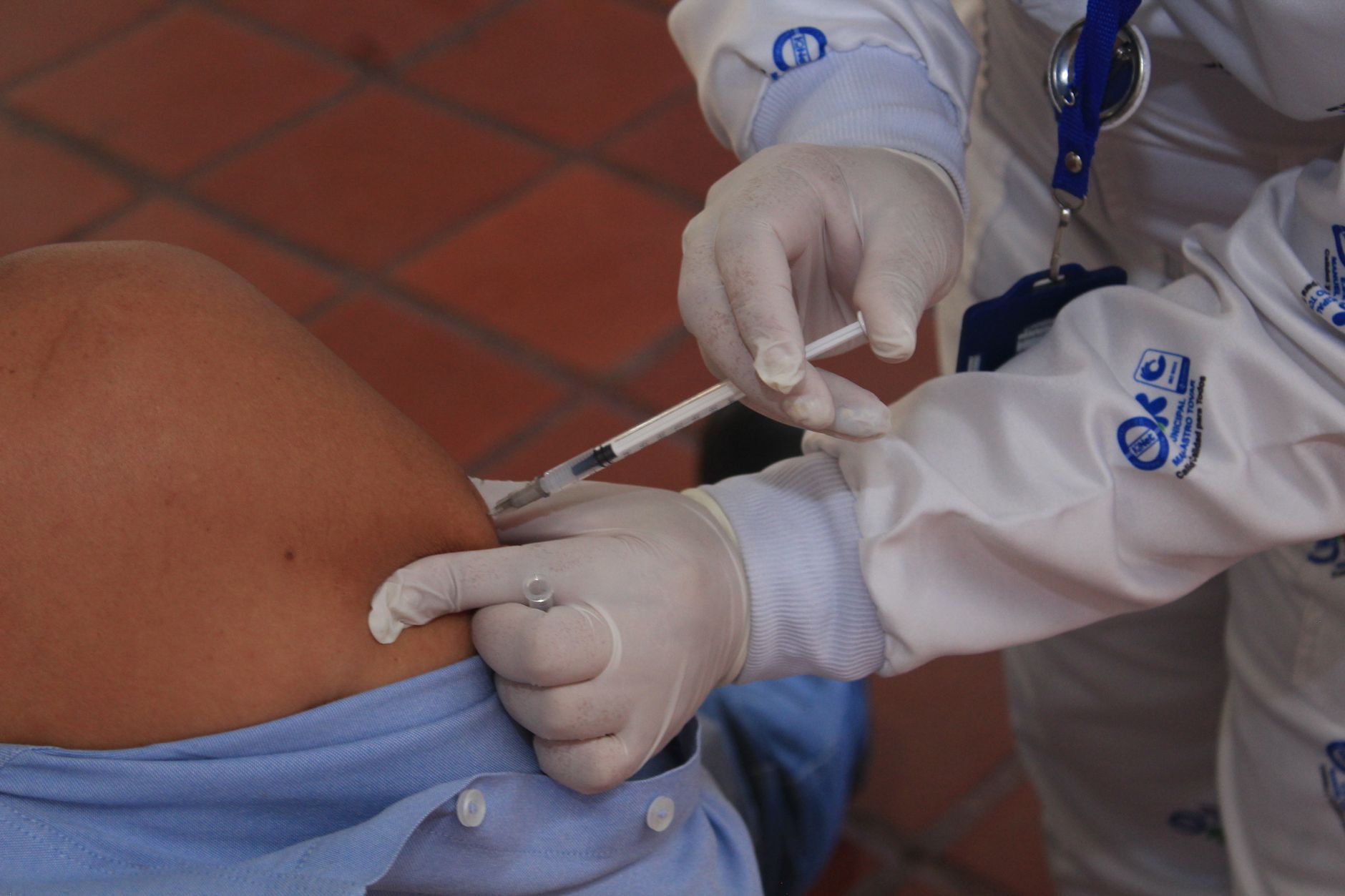
As we explore the role of technology in public health, AI-created plague prevention methods are becoming increasingly vital. These innovative strategies leverage data analysis to predict outbreaks and enhance community safety.
Photo by Александр Лич on Pexels








Leave a Reply