

Preschooler died from sepsis in the emergency department following a bike accident, raising concerns about medical responses to injuries.
What Happened in the Emergency Department?
In a heartbreaking incident that has raised serious concerns about medical oversight, a preschooler died from sepsis after being treated in the emergency department following a fall from a bike. The child was brought in by parents who noticed a concerning change in behavior and physical condition after the accident.
Initial assessments by the medical staff failed to recognize the signs of sepsis, which can develop rapidly and become life-threatening. Instead, the focus was primarily on the visible injuries from the fall. Parents reported that the child was lethargic and had a high fever, symptoms that can indicate an infection.
Despite these alarming signs, treatment was delayed. Medical professionals missed critical opportunities to investigate further, leading to a lack of timely interventions that could have potentially saved the child’s life. The situation escalated, and within hours, the preschooler’s condition worsened significantly, resulting in tragic consequences.
This incident has sparked outrage among healthcare advocates and parents alike, emphasizing the need for better training and protocols in emergency settings. Many are calling for a thorough review of the case to ensure that such oversights do not happen in the future and that all children receive the urgent care they need.
Understanding Sepsis and Its Risks
Sepsis is a severe and potentially life-threatening condition that arises when the body’s response to an infection causes widespread inflammation. It can lead to tissue damage, organ failure, and death if not recognized and treated promptly. Understanding the symptoms and risk factors associated with sepsis is crucial, especially in vulnerable populations such as preschoolers.
Common signs of sepsis in children include:
- Fever or hypothermia
- Rapid heart rate
- Increased respiratory rate
- Extreme fatigue or confusion
- Pale or mottled skin
In young children, the presentation of sepsis can sometimes be atypical, making early diagnosis challenging. Factors that increase the risk of sepsis in preschoolers include:
- Recent infections, such as respiratory or gastrointestinal illnesses
- Compromised immune systems due to underlying health conditions
- Invasive medical procedures or devices, such as catheters
The tragic case of a preschooler who died from sepsis underscores the importance of swift medical intervention. Early recognition of symptoms can be the difference between life and death, highlighting the need for increased awareness and education among caregivers and healthcare professionals alike.
The Importance of Prompt Medical Care
The tragic case of the preschooler who died from sepsis highlights the critical importance of prompt medical care, especially for young children who are more vulnerable to rapid health declines. When a child sustains an injury, parents often look for immediate reassurance and proper treatment. In this instance, the child’s fall from a bike should have triggered a thorough assessment for potential complications, including infections that can lead to sepsis.
Sepsis is a life-threatening condition that arises when the body’s response to an infection causes tissue damage and organ failure. This risk is particularly pronounced in young children, whose immune systems are still developing. Parents must be vigilant and advocate for their child’s health, especially when symptoms such as fever, unusual lethargy, or irritability arise following an injury.
Medical professionals must also be diligent in their evaluations. A missed diagnosis can have devastating consequences, as evidenced by this heartbreaking incident. Early intervention is crucial in managing sepsis; delays can lead to irreversible damage or even death.
To prevent similar tragedies, healthcare providers must prioritize timely assessments and open communication with caregivers. Understanding the signs of sepsis can empower parents and guardians to seek help swiftly, potentially saving lives in the process.
How Common Are Bike Accidents Among Children?
Every year, thousands of children are treated for injuries related to bike accidents. While many injuries may seem minor, serious complications can arise if appropriate care is not administered promptly. Unfortunately, this was the case for one preschooler who died from sepsis following a seemingly innocent fall from a bicycle.
The statistics surrounding bike accidents among children are concerning. According to recent studies:
- Over 500,000: The number of children treated in emergency departments for bicycle-related injuries annually.
- 60%: The percentage of these injuries that are classified as head injuries.
- 10%: The proportion of bike accidents that lead to hospitalization.
Many parents may underestimate the severity of a fall, especially when there are no visible signs of injury. However, internal complications such as sepsis can develop quickly from seemingly minor injuries. In this tragic case, the preschooler displayed initial symptoms that were overlooked, leading to dire consequences.
Education on recognizing the signs of distress is essential for parents and caregivers. Timely intervention can prevent a situation from escalating, possibly avoiding the heart-wrenching outcome of a preschooler dying from sepsis.
Parenting Tips for Bike Safety
As parents, ensuring the safety of our children while they enjoy outdoor activities is paramount. Bike riding is a popular pastime among preschoolers, but it also comes with inherent risks. Here are some essential tips to keep in mind to promote bike safety:
- Always wear a helmet: A properly fitted helmet can significantly reduce the risk of head injuries in case of falls or accidents.
- Choose the right bike: Ensure the bike is appropriate for your child’s age and size. A bike that is too big or too small can lead to accidents.
- Supervise young riders: Always accompany preschoolers when they are riding. Keeping a close eye can help prevent dangerous situations.
- Teach road safety: Educate your child about the importance of riding on the sidewalk, looking both ways before crossing streets, and obeying traffic signals.
- Inspect bikes regularly: Check that the brakes work well and the tires are properly inflated before each ride.
While enjoying biking, parents should also be vigilant about any injuries or signs of distress. A tragic case of a preschooler who died from sepsis following a bike accident highlights the critical need for prompt medical attention. Remember, safety comes first!
Investigating Medical Oversight in Emergencies
The tragic case of a preschooler who died from sepsis has raised critical questions about medical oversight in emergency situations. Experts emphasize that timely intervention is crucial, especially when dealing with conditions as serious as sepsis. In this instance, the failure to recognize the signs of infection and act promptly has sparked outrage and concern among parents and medical professionals alike.
Investigators are now examining several key factors that may have contributed to the oversight:
- Initial Assessment: Was the child’s condition thoroughly evaluated upon arrival at the emergency department?
- Communication: Were there any breakdowns in communication among medical staff regarding the child’s symptoms and medical history?
- Protocols: Did the healthcare team follow standard protocols for assessing potential sepsis in young patients?
- Parental Input: How effectively did the medical staff consider the concerns raised by the child’s parents?
The investigation aims to uncover whether systemic issues within the healthcare facility contributed to this heartbreaking outcome. As stories like this emerge, they serve as a poignant reminder of the need for vigilance and accountability in medical care, particularly in emergency settings where every moment counts.
Community Response to the Tragic Incident
The tragic incident surrounding the preschooler who died from sepsis has sparked significant outrage and sorrow within the community. Residents are coming together to voice their concerns about the medical oversight that led to this heartbreaking loss.
Local parents have expressed their disbelief, stating that such a tragedy could happen in a place where children should feel safe and cared for. Many are calling for changes in the emergency department protocols to ensure that no other family experiences a similar heartache. A community meeting is being organized to discuss potential reforms and raise awareness about the signs of sepsis.
In addition to seeking accountability, residents are also focusing on education. They believe that increasing knowledge about sepsis symptoms can empower parents and caregivers to advocate for their children effectively. Several community groups are planning workshops that will cover:
- The importance of recognizing early signs of illness
- How to communicate effectively with medical professionals
- Understanding the risks associated with common childhood injuries
As the community mourns the loss of this young life, they are determined to ensure that such oversights do not happen again. Their collective voice aims to bring about meaningful change in the healthcare system, protecting future generations.
The tragic case of the preschooler died from sepsis highlights the critical need for timely medical intervention. Families must advocate for their children’s health to prevent such devastating oversights in the future.
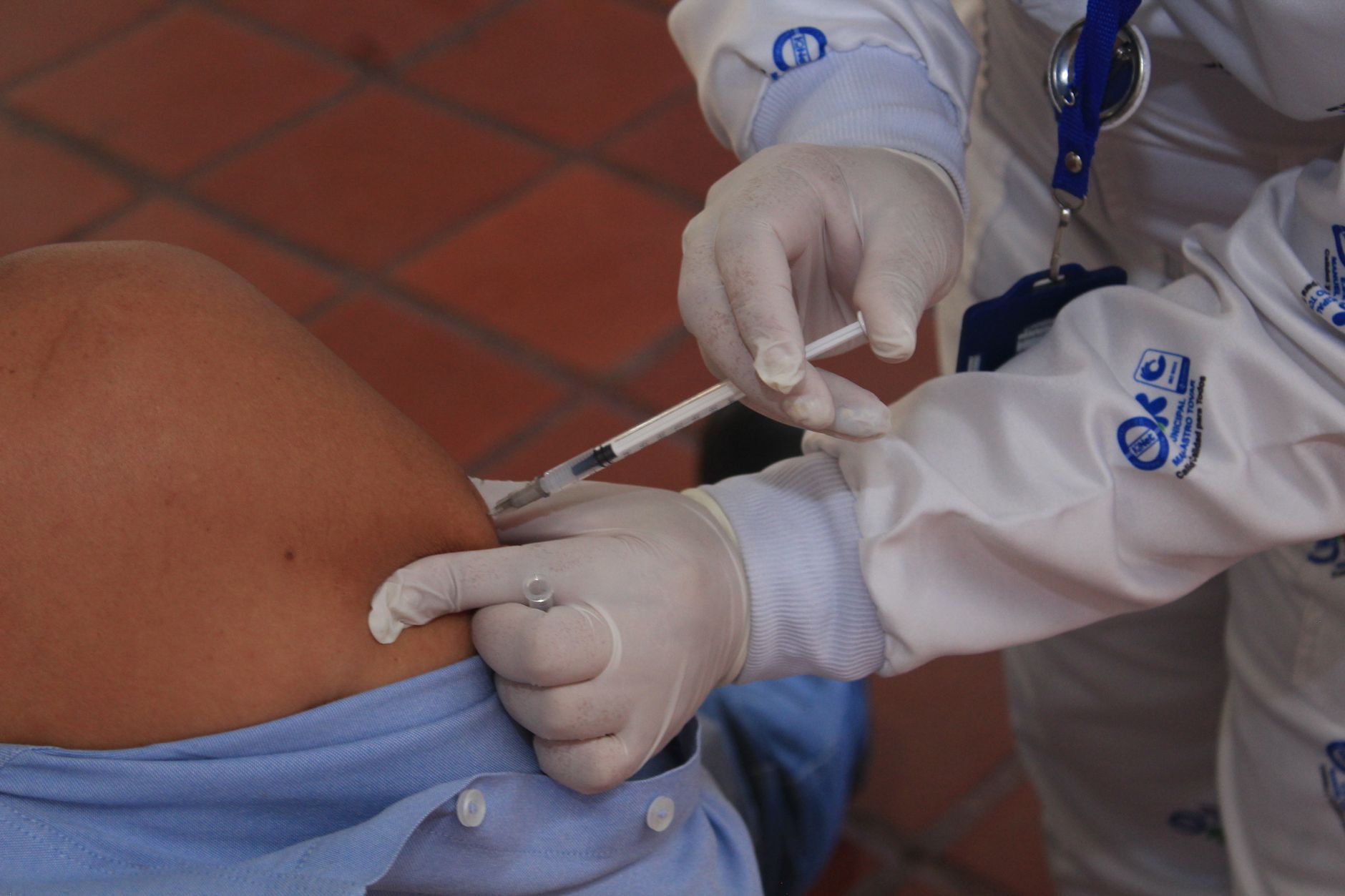
Photo by Monika Balciuniene on Pexels





Leave a Reply