
Lung cancer risk in India is a growing concern, as top chest surgeons warn that all Indians are at high risk. Understanding this risk is crucial for prevention.
Understanding Lung Cancer Risk
Understanding lung cancer risk is crucial for the health of individuals in India. Recent studies have highlighted that all Indians are at a high risk of developing lung cancer, primarily due to environmental and lifestyle factors.
Several key factors contribute to this alarming trend:
- Air Pollution: Urban areas in India experience severe air pollution, which significantly increases the risk of lung cancer. Fine particulate matter and toxic emissions from vehicles and industries are major contributors.
- Tobacco Use: The prevalence of smoking and the use of other tobacco products are major risk factors. The cultural acceptance of these habits exacerbates the situation.
- Occupational Hazards: Many Indians work in industries where exposure to harmful substances, like asbestos and silica, is common, further elevating lung cancer risk.
- Genetic Predisposition: Some individuals may have a genetic predisposition that makes them more susceptible to lung cancer when combined with environmental exposures.
Raising awareness about lung cancer risk in India is essential for prevention and early detection, ultimately saving lives.
Statistics on Lung Cancer in India
Lung cancer remains a significant health concern in India, with alarming statistics highlighting the increasing risk among the population. According to recent studies, lung cancer risk in India has been on the rise, particularly affecting men who are more susceptible due to higher rates of smoking.
Key statistics include:
- India accounts for approximately 11% of global lung cancer cases, making it one of the countries with the highest burden.
- In urban areas, the incidence of lung cancer is rising at an alarming rate of approximately 10% each year.
- Studies indicate that the age-standardized incidence rate for lung cancer in India is around 6.9 per 100,000 people.
- Women, while historically at lower risk, are increasingly affected, with cases rising due to factors such as exposure to secondhand smoke and air pollution.
These statistics underscore the urgent need for awareness and preventive measures. Addressing lifestyle choices and environmental factors can significantly impact the lung cancer risk in India.
What Causes High Lung Cancer Risk?
The high lung cancer risk in India can be attributed to several factors that significantly impact public health. Understanding these causes is crucial for raising awareness and implementing preventive measures.
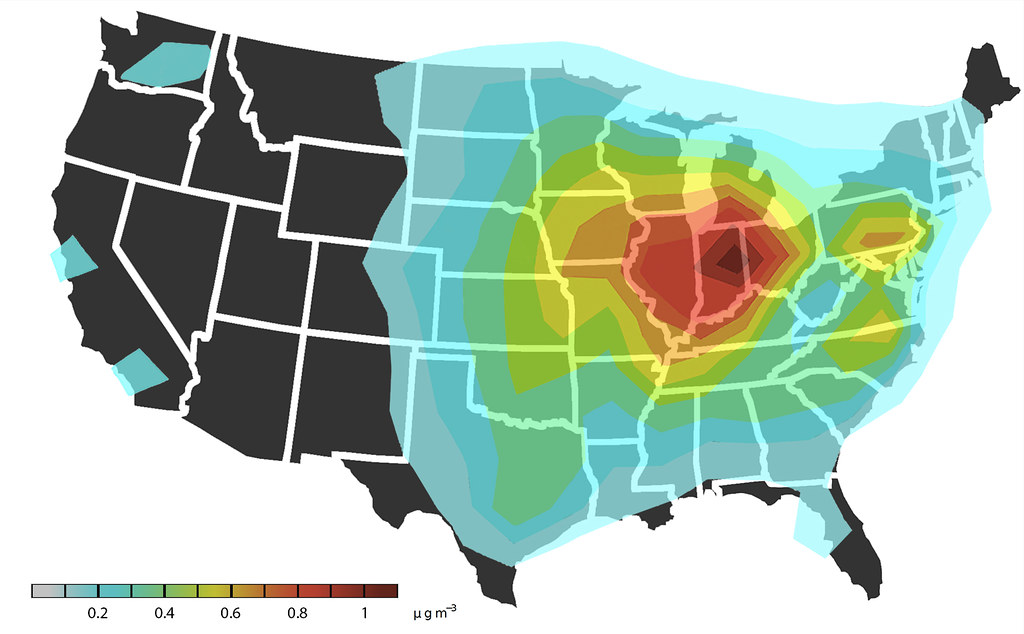
- Air Pollution: Urban areas in India often suffer from severe air pollution, primarily due to vehicle emissions, industrial discharges, and construction activities. Fine particulate matter (PM2.5) has been linked to an increased incidence of lung cancer.
- Cigarette Smoking: While smoking remains a leading cause of lung cancer, the prevalence of tobacco use in various forms, including bidis and hookahs, contributes to the overall risk, especially in rural areas.
- Occupational Hazards: Many individuals in India are exposed to carcinogens in their workplaces, such as asbestos and other harmful chemicals, elevating the risk of developing lung cancer.
- Genetic Factors: Genetic predispositions may also play a role, with some individuals being more susceptible to lung cancer due to hereditary factors.
- Secondhand Smoke: Non-smokers exposed to secondhand smoke face a higher risk of lung cancer, underscoring the need for public awareness and smoking bans in public spaces.
Preventive Measures for Lung Health
To mitigate the lung cancer risk in India, adopting preventive measures is crucial. Here are several strategies that individuals can implement to promote lung health:
- Avoid Smoking: The most significant factor contributing to lung cancer is tobacco use. Quitting smoking can greatly reduce the risk, and non-smokers should avoid exposure to secondhand smoke.
- Maintain Indoor Air Quality: Ensure proper ventilation in homes and workplaces. Using air purifiers can help reduce the levels of indoor pollutants.
- Limit Exposure to Carcinogens: Individuals should minimize exposure to harmful substances such as asbestos, radon, and certain chemicals found in occupational settings.
- Regular Health Check-ups: Routine screenings and consultations with healthcare professionals can help in early detection of any potential lung issues.
- Healthy Diet: Consuming a diet rich in fruits and vegetables can provide antioxidants that support lung health. Foods high in omega-3 fatty acids are also beneficial.
- Stay Active: Regular physical activity can improve lung function and overall health, making the body more resilient against diseases.
By implementing these measures, individuals can significantly lower their lung cancer risk in India, fostering healthier communities.
Expert Opinions on Lung Cancer
In recent discussions, leading medical experts have highlighted the alarming trend of increasing lung cancer risk in India. Dr. Ramesh Gupta, a renowned chest surgeon, emphasized that environmental factors play a significant role in this rising risk. He stated, “The urban air quality is deteriorating, and with it, the risk of lung cancer among the population is on the rise.”
Moreover, Dr. Anjali Mehta, an oncologist, pointed out that lifestyle choices, such as smoking and exposure to secondhand smoke, contribute heavily to the statistics. “Many individuals underestimate their personal risk, especially those who are non-smokers but live in polluted environments,” she noted.
Experts also stress the importance of early detection. Dr. Gupta mentioned, “Regular screenings can significantly improve survival rates. Awareness is key; people must understand their risk factors and act accordingly.”
- Environmental pollution: A major contributor to lung cancer risk.
- Smoking: Directly linked to increased cancer rates.
- Genetic predisposition: Family history can elevate the risk.
These insights underscore the urgent need for public awareness and proactive health measures regarding lung cancer risk in India.
Future of Lung Cancer Treatment
The future of lung cancer treatment in India holds promise, with advancements in technology and research paving the way for more effective therapies. As the lung cancer risk in India continues to rise, it is crucial for the medical community to explore innovative approaches to combat this deadly disease.
Recent developments in precision medicine are transforming treatment protocols. Tailored therapies that target specific genetic mutations in lung cancer cells are showing significant potential. This personalized approach allows for more effective treatment with fewer side effects compared to traditional chemotherapy.
Additionally, immunotherapy is emerging as a powerful weapon against lung cancer. By harnessing the body’s immune system, this method can significantly improve survival rates and quality of life for patients.
Moreover, advancements in early detection techniques are crucial. Technologies such as liquid biopsies and advanced imaging are enabling earlier diagnosis, which is critical in improving outcomes.
As awareness of lung cancer risk in India increases, ongoing research and collaborations between healthcare providers will be vital in developing new treatment options that can address the unique challenges faced by Indian patients.




Leave a Reply