
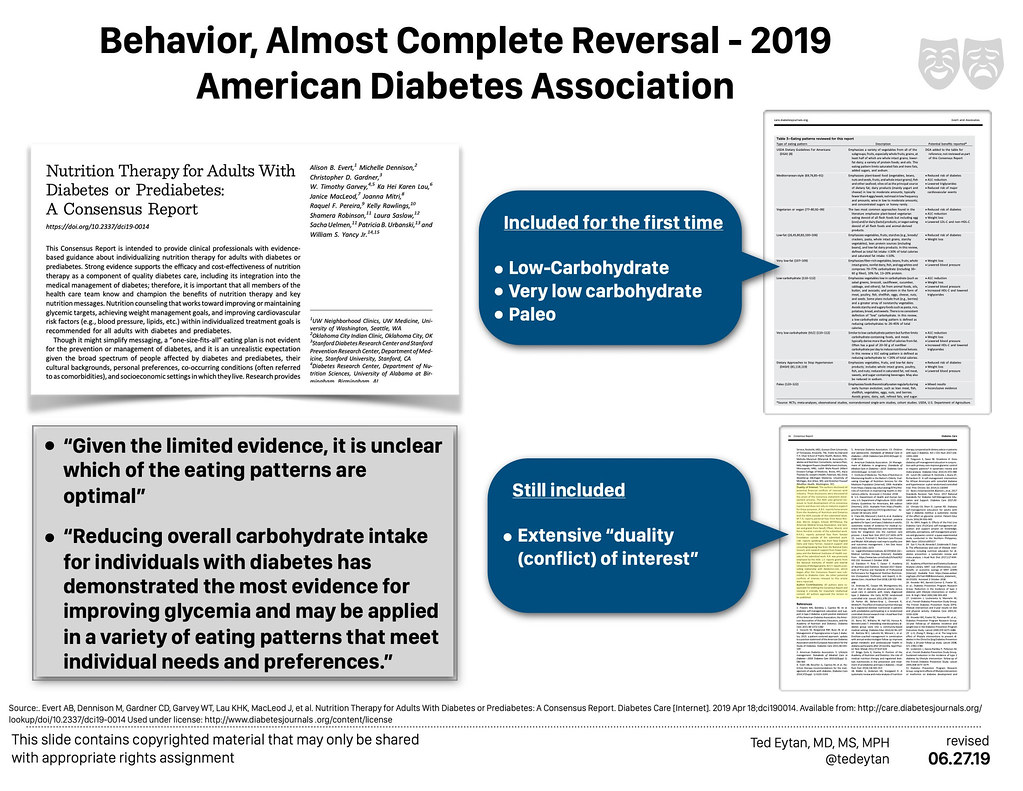
The Type 2 Diabetes report released by Dexcom during EASD 2026 highlights critical opportunities for global diabetes care. This report sheds light on innovative strategies and insights that can enhance diabetes management worldwide.
Overview of the Type 2 Diabetes report
The recently published Type 2 Diabetes report by Dexcom during the EASD 2026 conference highlights significant opportunities for enhancing global diabetes care. This comprehensive analysis provides insights into the current landscape of Type 2 Diabetes and identifies areas where improvements can be made to patient care worldwide.
According to the report, a variety of factors contribute to the growing prevalence of Type 2 Diabetes, including lifestyle choices, genetic predispositions, and socioeconomic conditions. The data outlines a pressing need for innovative solutions to manage and prevent this chronic condition effectively.
Key findings from the report include:
- Increased Awareness: Education about Type 2 Diabetes is crucial for early detection and management.
- Technology Integration: Utilizing advanced technology can significantly improve patient outcomes.
- Policy Support: Advocacy for supportive healthcare policies is essential to provide resources for diabetes care.
This report serves as a clarion call for healthcare providers, policymakers, and communities to unite in addressing the challenges posed by Type 2 Diabetes and to seize the opportunity to enhance care on a global scale.
Key findings from EASD 2026
The recent Type 2 Diabetes report released during the EASD 2026 conference has unveiled several key findings that highlight the urgent need for improving global diabetes care. These findings suggest that there is a significant gap in the management of Type 2 diabetes that can be addressed through innovative solutions.
- Increased prevalence: The report indicates that the number of individuals diagnosed with Type 2 diabetes is steadily rising, particularly in low- and middle-income countries.
- Technology adoption: There is a clear opportunity for the integration of advanced technologies, such as continuous glucose monitoring, to enhance patient management and outcomes.
- Patient education: Empowering patients through education and resources is critical in managing their condition and preventing complications.
- Collaboration among stakeholders: The report emphasizes the need for collaboration between healthcare providers, policymakers, and technology companies to create effective intervention strategies.
These findings from the Type 2 Diabetes report underscore the importance of addressing the rising challenges faced by individuals with diabetes and present a roadmap for future initiatives aimed at improving health outcomes worldwide.
Impact on global diabetes care
The recent Type 2 Diabetes report highlights significant challenges and opportunities for diabetes care worldwide. With the increasing prevalence of Type 2 diabetes, healthcare systems are facing mounting pressure to provide effective management and treatment options. The report emphasizes the need for a comprehensive approach to diabetes care that prioritizes patient education, access to technology, and personalized treatment plans.
According to the findings, there are several critical areas where improvements can be made:
- Access to Care: Many patients worldwide still lack access to essential diabetes care and management tools, which can lead to poor health outcomes.
- Technology Integration: The integration of advanced technologies, such as continuous glucose monitoring, can significantly enhance the quality of care.
- Patient Engagement: Encouraging active patient participation in their treatment plans is vital for achieving better health outcomes.
- Global Collaboration: Collaborative efforts among healthcare providers, policymakers, and technology companies can foster innovation and improve care delivery.
The Type 2 Diabetes report serves as a call to action for stakeholders to address these challenges, ultimately aiming for a more effective global diabetes care strategy.
Innovations in diabetes management
Innovations in diabetes management are essential to addressing the challenges posed by Type 2 Diabetes. The latest Type 2 Diabetes report highlights several groundbreaking advancements that are transforming patient care and improving outcomes. Key innovations include:
- Continuous Glucose Monitoring (CGM): This technology allows patients to track their glucose levels in real-time, leading to better management of blood sugar levels and reducing the risk of complications.
- Smart Insulin Pens: These devices help patients administer the correct dosage of insulin with built-in reminders and tracking capabilities to enhance compliance and effectiveness.
- Telehealth Services: The emergence of telehealth has made it easier for patients to access healthcare providers, enabling timely consultations and personalized treatment plans without the need for in-person visits.
- Artificial Intelligence: AI-driven algorithms are being utilized to analyze patient data and predict potential complications, allowing healthcare providers to intervene early and tailor treatments to individual needs.
These innovations not only empower patients but also optimize healthcare resources, paving the way for a more effective global response to Type 2 Diabetes.
Expert opinions on the report
Experts from the diabetes care community have shared their insights on the findings presented in the Type 2 Diabetes report published by Dexcom during the EASD 2026 conference. They emphasize the significance of the report in shaping future strategies for diabetes management worldwide.
Dr. Emily Chen, a leading endocrinologist, noted that the report highlights critical gaps in current care practices. “This Type 2 Diabetes report serves as a wake-up call for healthcare providers to reassess their approaches and prioritize patient-centered care,” she stated.
Additionally, Dr. Mark Robinson, a public health expert, pointed out the importance of global collaboration. “To effectively tackle the growing epidemic of type 2 diabetes, we must leverage the insights from this report and work together across borders,” he remarked.
Furthermore, experts advocate for increased investment in diabetes education and technology. “Utilizing advanced tools and resources outlined in the report can empower patients and improve outcomes,” said Dr. Sarah Johnson, a diabetes researcher.
Overall, the expert opinions underscore a shared belief that the Type 2 Diabetes report offers a clear pathway for enhancing global diabetes care and management.
Future directions for diabetes research
The future of diabetes research is poised for significant advancements, particularly in understanding and managing Type 2 Diabetes. As highlighted in the recent Type 2 Diabetes report, there are several promising avenues that researchers are eager to explore.
- Personalized medicine: Tailoring treatment plans to individual patient profiles can enhance the effectiveness of diabetes management. Ongoing studies aim to identify genetic and environmental factors that influence patient responses to therapies.
- Technology integration: The integration of advanced technologies such as continuous glucose monitoring and artificial intelligence in diabetes care is expected to revolutionize treatment protocols. This could lead to more timely interventions and better health outcomes.
- Preventive strategies: Research efforts are shifting towards prevention, with a focus on lifestyle modifications and early interventions that can reduce the incidence of Type 2 Diabetes.
- Global collaboration: Increased collaboration among international research institutions can facilitate knowledge sharing and accelerate the discovery of effective treatments and prevention strategies.
In conclusion, the future directions for diabetes research present clear opportunities for improving global care and addressing the growing burden of Type 2 Diabetes.
Patient perspectives on diabetes care
Patients living with Type 2 diabetes often have unique insights into their care experiences, which can inform healthcare providers about the most effective management strategies. A recent Type 2 Diabetes report has shed light on these perspectives, emphasizing the importance of patient-centered approaches in treatment plans.
Many patients express the need for greater accessibility to diabetes education and resources. According to the report, over 70% of respondents highlighted that understanding their condition better significantly improved their management of diabetes. They emphasized the role of consistent support from healthcare professionals in achieving better outcomes.
Additionally, patients noted the significance of technology in their daily management. Devices such as continuous glucose monitors are praised for providing real-time data, allowing individuals to make informed decisions about their health. The report indicates that 78% of patients using these technologies felt more empowered in their diabetes care.
As the Type 2 Diabetes report suggests, incorporating patient feedback into healthcare strategies not only enhances individual experiences but also contributes to more effective global diabetes care solutions. Addressing these perspectives will be crucial in driving improvements in treatment accessibility and effectiveness.
Conclusion and implications for healthcare
In conclusion, the Type 2 Diabetes report highlights significant opportunities for enhancing global diabetes care. As the prevalence of Type 2 diabetes continues to rise, healthcare systems must adapt and innovate to meet the growing demands of this chronic condition. The findings underscore the necessity for a multifaceted approach that integrates advanced technologies, patient education, and collaborative care models.
Key implications for healthcare include:
- Strengthening preventive measures: Emphasizing lifestyle interventions and early detection can significantly reduce the burden of Type 2 diabetes.
- Enhancing access to innovative treatments: Ensuring that patients have access to the latest diabetes management tools is crucial for effective care.
- Fostering patient engagement: Involving patients in their care plans can lead to better adherence and improved health outcomes.
- Encouraging research collaboration: Multidisciplinary partnerships can drive advancements in diabetes treatment and care strategies.
Ultimately, the Type 2 Diabetes report serves as a call to action for healthcare providers, researchers, and policymakers to unite in addressing the challenges posed by diabetes. By leveraging these insights, we can pave the way for a healthier future for millions worldwide.
By tedeytan via Openverse





Leave a Reply