
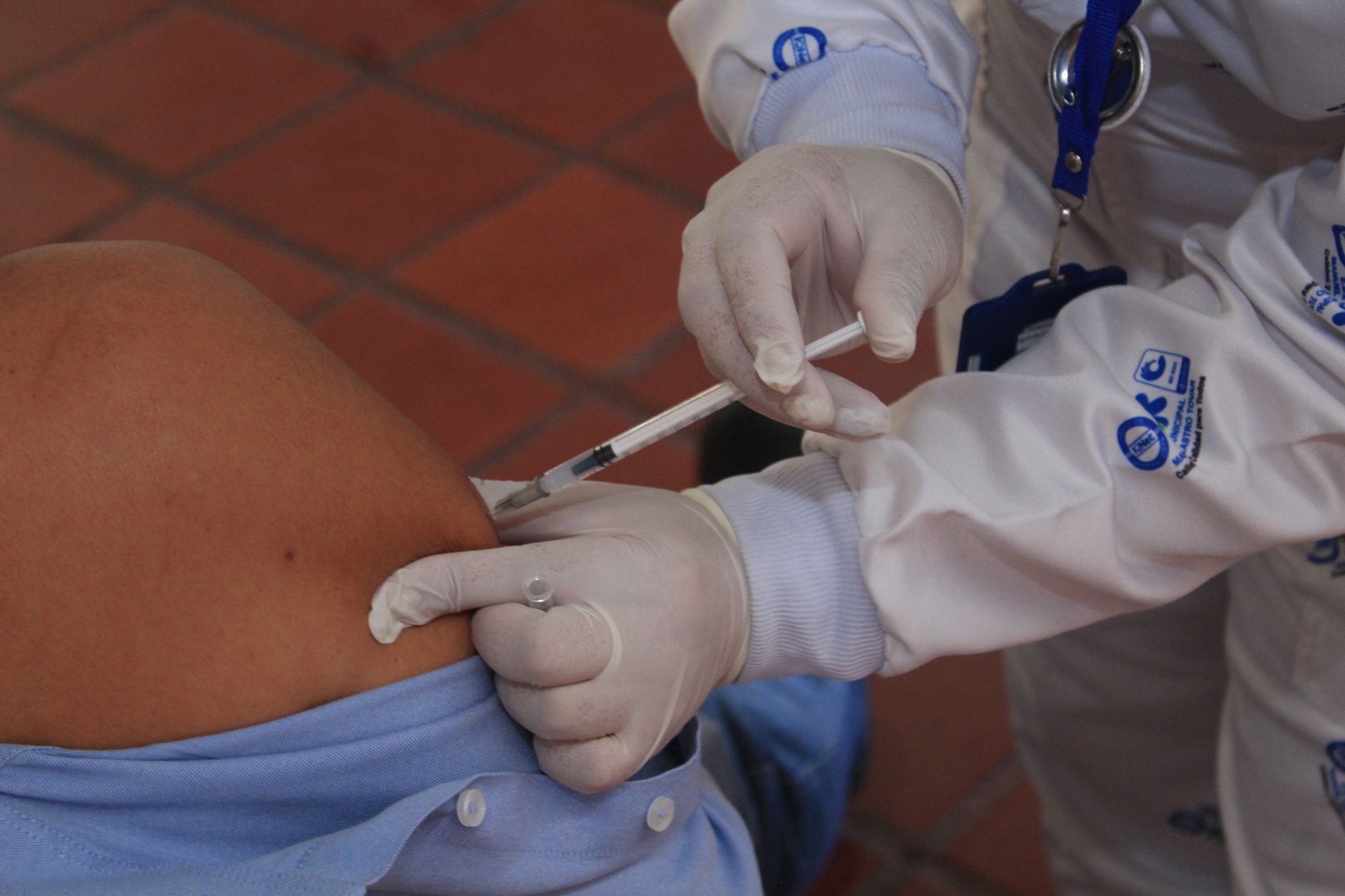
The measles vaccination campaign is set to begin on September 26, targeting 34 lakh children. This initiative aims to enhance public health and prevent outbreaks.
Overview of the Measles Vaccination Campaign
The measles vaccination campaign aims to protect children from the highly contagious measles virus, which can lead to severe health complications. This initiative is particularly crucial as health authorities prepare to reach approximately 34 lakh children starting September 26.
During the campaign, health workers will administer the measles vaccine in various settings, including schools and community health centers. The primary objectives of the campaign are:
- To ensure that all children receive the measles vaccine, especially those who may have missed it during routine immunization schedules.
- To raise awareness about the importance of vaccination in preventing outbreaks and protecting public health.
- To educate parents about the safety and efficacy of the measles vaccine.
Health experts emphasize that the measles vaccination campaign is safe and proven for children. Extensive research supports the effectiveness of the vaccine in preventing measles and its complications. Parents are encouraged to participate actively and ensure their children are vaccinated during this critical period.
Importance of Vaccination for Children
Vaccination plays a crucial role in safeguarding the health of children, particularly against preventable diseases such as measles. The measles vaccination campaign, which aims to immunize millions of children, is vital for reducing the incidence of this highly contagious virus.
Measles can lead to severe complications, including:
- Pneumonia
- Encephalitis
- Severe diarrhea
- Blindness
These potential health risks highlight the importance of early vaccination. The measles vaccination campaign not only protects individual children but also contributes to community immunity, which helps prevent outbreaks.
Moreover, vaccination is a proven method to enhance overall public health. Studies have shown that widespread immunization significantly lowers the risk of measles transmission. This is particularly important for young children who are most vulnerable to the virus.
In conclusion, ensuring that children receive their measles vaccinations is essential for their health and well-being, as well as the health of the community as a whole.
How the Campaign Will Be Implemented
The measles vaccination campaign will be implemented through a comprehensive strategy to ensure maximum outreach and effectiveness. The campaign is set to begin on September 26, targeting an estimated 34 lakh children across various regions.
The implementation plan includes:
- Community Engagement: Local health workers will engage with communities to raise awareness about the benefits of the measles vaccination, addressing any concerns parents may have.
- Mobile Vaccination Units: To reach remote areas, mobile units will be deployed, ensuring that no child is left unvaccinated due to geographical barriers.
- School Partnerships: Collaboration with schools will facilitate the administration of vaccines, making it convenient for parents and ensuring a higher turnout.
- Training Health Personnel: Health workers will undergo rigorous training to provide safe and effective vaccinations, ensuring that all protocols are strictly followed.
Overall, the campaign aims to create a safe and supportive environment for children, reinforcing the critical need for vaccination against measles. The success of this initiative relies on community participation and trust in the healthcare system.
Expected Outcomes and Benefits
The ongoing measles vaccination campaign aims to significantly reduce the incidence of measles cases among children. By ensuring a high coverage rate, the campaign is expected to achieve several important outcomes and benefits.
- Prevention of Measles Outbreaks: A successful vaccination campaign will help prevent potential outbreaks, protecting not only vaccinated children but also those who cannot be vaccinated due to medical reasons.
- Herd Immunity: High vaccination coverage contributes to herd immunity, which is vital in providing indirect protection to the wider community.
- Reduction in Healthcare Costs: By decreasing the number of measles cases, the campaign can alleviate the financial burden on healthcare systems associated with treating this highly contagious disease.
- Improved Public Health: A robust measles vaccination campaign enhances overall public health by reducing morbidity and mortality rates associated with the disease.
- Increased Awareness: The campaign also serves to educate parents about the importance of vaccinations, fostering a culture of preventive healthcare.
Ultimately, the measles vaccination campaign is a critical step toward safeguarding children’s health and promoting community well-being.
Community Involvement in Health Initiatives
Community involvement plays a crucial role in the success of health initiatives, including the measles vaccination campaign. Engaging local residents not only helps to spread awareness but also fosters trust in medical recommendations. Community leaders, parents, and healthcare workers are pivotal in advocating for vaccination and addressing any concerns parents may have.
To enhance participation, various strategies are being implemented:
- Information Sessions: Local organizations are hosting events to educate families about the benefits and safety of the measles vaccination campaign.
- Home Visits: Healthcare professionals are reaching out to families directly, offering personalized information and answering questions.
- Social Media Campaigns: Utilizing platforms like Facebook and Instagram to share success stories and testimonials from parents who have vaccinated their children.
- Partnerships with Schools: Collaborations with educational institutions to facilitate vaccination drives and ensure children receive the necessary immunizations.
Such comprehensive community engagement is essential to ensure high vaccination rates and protect children from measles, ultimately leading to healthier communities.
Challenges in Vaccination Efforts
The ongoing measles vaccination campaign aims to protect millions of children; however, it faces several challenges that could impact its success. One significant hurdle is vaccine hesitancy, where some parents are unsure about the safety and necessity of vaccinations for their children. This skepticism can stem from misinformation circulating on social media and a lack of understanding about the benefits of the measles vaccine.
Additionally, logistical issues in reaching remote communities pose another challenge. Many families in rural areas may not have easy access to healthcare facilities, making it difficult for health workers to administer the vaccine effectively. Furthermore, there are concerns regarding the availability of sufficient vaccines and trained personnel to carry out the campaign.
Despite these obstacles, it is crucial to address them through community education and outreach programs. Health authorities are encouraged to engage with local leaders to build trust and encourage participation in the vaccination efforts. Ultimately, overcoming these challenges is essential to ensure that the measles vaccination campaign reaches its target and provides children with the protection they need.
Photo by Jvalenciazz Jhon on Pexels



Leave a Reply