
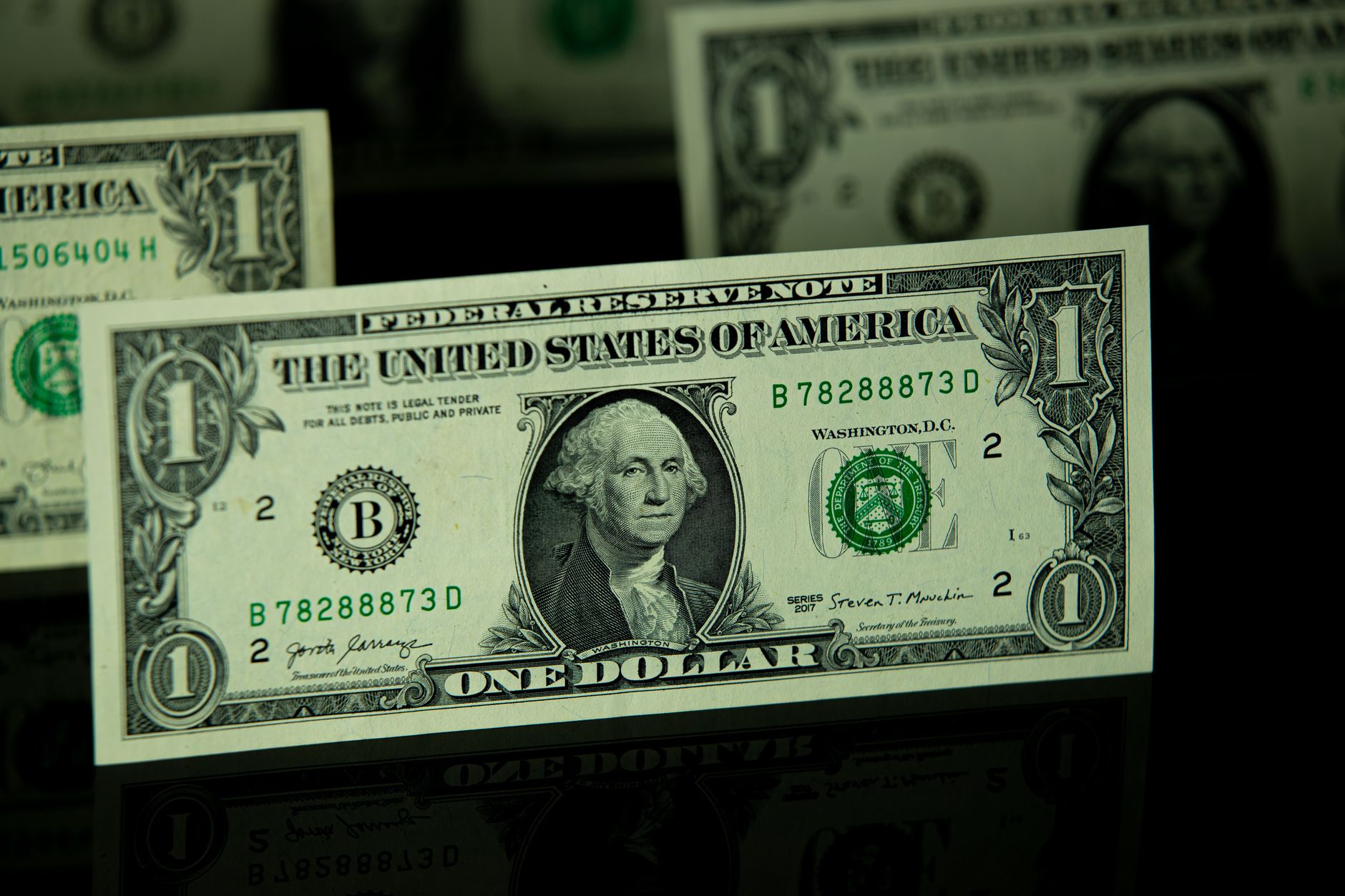
US dollar rise has been a hot topic as it reaches 19-month highs. Many are questioning whether this breakout is legitimate or just a temporary spike.
Understanding the US Dollar’s Recent Surge
The recent surge of the US dollar has captured the attention of financial analysts and investors alike. With the currency reaching 19-month highs, many are questioning whether this breakout is legitimate or merely overhyped. Understanding the factors behind this increase is essential for making informed decisions in the current economic landscape.
Several key elements have contributed to the US dollar’s rise:
- Interest Rate Hikes: The Federal Reserve’s ongoing policy of increasing interest rates has made the dollar more attractive to investors seeking higher returns.
- Inflation Concerns: Persistent inflation in the US has led to expectations of further rate increases, bolstering the dollar’s strength.
- Global Economic Uncertainty: Turbulence in other economies, particularly in Europe and Asia, has driven investors towards the US dollar as a safe-haven asset.
Moreover, strong economic indicators such as employment figures and manufacturing output have added to the dollar’s appeal, showcasing the resilience of the US economy. However, skeptics warn that the sustainability of this rise may be in question, with potential corrections on the horizon.
As the market reacts to these developments, the question remains: will the US dollar’s rise continue, or will it falter under growing pressures?
Factors Driving the US Dollar Rise
The recent rise of the US dollar has captured the attention of economists and investors alike, leading to speculation about its sustainability. Several factors contribute to the current strength of the currency.
- Interest Rate Hikes: The Federal Reserve’s decision to increase interest rates has made the US dollar more attractive to investors seeking higher returns. This has fueled demand for the currency, driving its value upward.
- Economic Data: Positive economic indicators, such as robust job growth and increased consumer spending, have bolstered confidence in the US economy. Strong economic performance typically leads to a stronger dollar.
- Global Uncertainty: Amid geopolitical tensions and economic instability in other regions, the US dollar often serves as a safe haven for investors. This flight to safety has further propelled the dollar’s rise.
- Trade Balances: A narrowing trade deficit can enhance the dollar’s value, as it indicates that the US is importing less relative to its exports, leading to increased demand for the dollar.
The combination of these factors illustrates why many are optimistic about the US dollar rise. However, some analysts caution that this surge may not be sustainable in the long term, raising questions about whether the breakout is legitimate or merely overhyped.
Expert Opinions on Currency Movements
As the US dollar rise continues to capture attention, experts in the financial sector have shared their insights on the recent currency movements. According to economist Jane Doe, the current surge in the dollar is not merely a fleeting trend but rather a reflection of underlying economic strength. “The fundamentals are solid,” she stated, emphasizing the impact of recent economic data and the Federal Reserve’s policies.
Conversely, analyst John Smith cautions against overconfidence. He suggests that while the US dollar rise is notable, external factors such as geopolitical tensions and inflation rates could pose risks. “Investors should remain vigilant,” he advised, noting that volatility could emerge from unexpected global events.
Market strategist Emily Johnson echoed similar sentiments, highlighting the role of interest rates. “The Fed’s approach to interest rates will significantly influence the dollar’s trajectory,” she remarked. Johnson believes that if rates continue to rise, the dollar may strengthen further, solidifying its position in the global market.
Additionally, several analysts have pointed out the importance of monitoring foreign currencies. As other economies react to the US dollar rise, it will be vital for investors to remain informed about global economic shifts. In summary, while the current dollar surge appears promising, expert opinions suggest a cautious approach is warranted.
Historical Context of Dollar Strength
The US dollar rise has not occurred in a vacuum; it is essential to consider the historical context of dollar strength to fully grasp its significance. Over the past two decades, the US dollar has experienced various fluctuations influenced by economic conditions, monetary policy, and geopolitical events.
In the early 2000s, the dollar faced significant challenges as the U.S. economy grappled with the aftermath of the dot-com bubble. However, by mid-decade, a strong economy and rising interest rates helped bolster the dollar’s value. This upward trend continued until the 2008 financial crisis, which triggered a dramatic decline in dollar strength as the Federal Reserve implemented aggressive monetary policies.
In contrast, the years following the crisis saw a gradual recovery. The dollar gained strength as the U.S. economy outperformed many of its global counterparts. The resurgence of manufacturing, coupled with a tightening labor market, contributed to a renewed confidence in the currency.
Currently, the US dollar rise has reached notable heights, reaching 19-month highs. Observers are keenly assessing whether this breakout is sustainable or merely a temporary reaction to current economic data and interest rate expectations. Looking back at past trends, it becomes clear that the dollar’s strength is often a reflection of broader economic health, making it crucial to analyze both historical patterns and present conditions.
Impact on Global Markets
The recent surge in the US dollar has sent ripples across global markets, prompting analysts to assess its potential long-term implications. As the US dollar rises, currency pairs and commodities are experiencing notable fluctuations, which can affect traders and investors worldwide.
One of the most immediate impacts of the US dollar rise is on emerging markets. Many countries rely on US dollar-denominated debt, and a stronger dollar can increase the burden of repayment. As their currencies weaken against the dollar, these nations may face economic strain, leading to potential crises in financial markets.
In addition, commodities priced in US dollars, such as oil and gold, often see a decline in price as the dollar strengthens. Investors may react by reallocating their portfolios, which could lead to decreased demand for these commodities and affect the global supply chain.
Furthermore, the rise of the US dollar can influence global trade dynamics. Countries that export goods to the US may find their products becoming more expensive for American consumers, potentially leading to reduced sales. This shift can create a ripple effect, impacting economies that depend heavily on exports to the US market.
Overall, while the US dollar rise may seem beneficial for the US economy, its broader implications for global markets warrant careful consideration and analysis.
What This Means for Investors
The recent rise of the US dollar has sparked significant interest among investors, raising critical questions about the sustainability of this momentum. As the dollar reaches 19-month highs, many are analyzing what this means for their investment strategies.
Firstly, a stronger US dollar can have mixed effects on various asset classes. For investors holding foreign assets, a rising dollar can mean lower returns when converted back to their home currencies. This is particularly relevant for those invested in emerging markets, where currency fluctuations can significantly impact portfolio performance. Conversely, US-based investors may find opportunities in foreign stocks that are undervalued due to the dollar’s strength.
- Hedging strategies: Investors may consider employing hedging tactics to mitigate risks associated with currency fluctuations.
- Shifts in commodity prices: A stronger dollar typically results in lower commodity prices, which could affect investments in sectors like energy and materials.
- Interest rates: The Federal Reserve’s interest rate policies remain pivotal. A rising dollar often accompanies higher rates, which can bolster fixed-income investments.
In conclusion, while the US dollar rise presents potential challenges, it also opens doors for savvy investors willing to adapt their strategies. Understanding the implications of this movement is essential for navigating the changing financial landscape.
Potential Risks of the Current Trend
The recent rise of the US dollar has garnered significant attention, but it also presents a range of potential risks that investors should consider. While many celebrate the dollar’s surge, it is crucial to examine the factors that could lead to a reversal of this trend.
- Monetary Policy Shifts: The Federal Reserve’s decisions regarding interest rates can dramatically impact the dollar’s value. A shift towards looser monetary policy could weaken the dollar, reversing its current upward trajectory.
- Geopolitical Tensions: Heightened geopolitical tensions can lead to market volatility. Any sudden developments could trigger a loss of confidence in the dollar, affecting its strength on the global stage.
- Economic Data: Upcoming economic indicators, such as employment figures and inflation rates, will play a crucial role in determining the sustainability of the dollar’s rise. Poor data could undermine the current trend.
- Global Competition: Other currencies, particularly the euro and the yuan, may gain strength as their economies recover. A shift in confidence towards these currencies could diminish the appeal of the US dollar.
In conclusion, while the US dollar rise appears robust, various factors could jeopardize its current momentum. Investors should remain vigilant and consider these risks when making decisions.
Future Outlook for the US Dollar
The future outlook for the US dollar rise remains a topic of intense debate among economists and investors alike. As the dollar reaches its highest levels in over a year, many are questioning whether this breakout is legitimate or simply an overhyped reaction to short-term market conditions.
Several factors could influence the sustainability of this trend. First, monetary policy adjustments from the Federal Reserve will play a crucial role. If inflation continues to show signs of persistence, further rate hikes could bolster the dollar’s strength. Conversely, if the Fed opts for a more dovish stance, it could lead to a reversal in the dollar’s recent gains.
Additionally, geopolitical tensions and global economic conditions will also impact the dollar’s trajectory. As countries navigate their own economic recovery processes, the dollar may be seen as a safe haven, perpetuating its rise. However, unexpected developments in international trade agreements or tensions could create volatility.
Investors should remain vigilant and consider the potential risks associated with the current trend. It is essential to stay informed about market signals and economic indicators that might suggest a shift in momentum for the US dollar. In summary, while the dollar’s rise presents opportunities, it also requires cautious navigation in a dynamic economic landscape.
The recent US dollar rise has sparked debates among economists about its sustainability in the long term. Many analysts are questioning whether this US dollar rise is a genuine signal of economic strength or simply a temporary trend.
Photo by Sergei Starostin on Pexels
Where this came from
Related stories
House Republicans fight: Jim Jordan’s leadership strategy revealed · Bengaluru Metro funding: What’s the Right Way to Pay? · dk88 App Download APK Guide for Malaysia – Install, Verify & Claim Bonuses



Leave a Reply