
The Nasdaq meltdown is raising questions about the future of AI investments. As the AI bubble bursts, investors are left wondering if now is the right time to buy.
Understanding the Nasdaq Meltdown
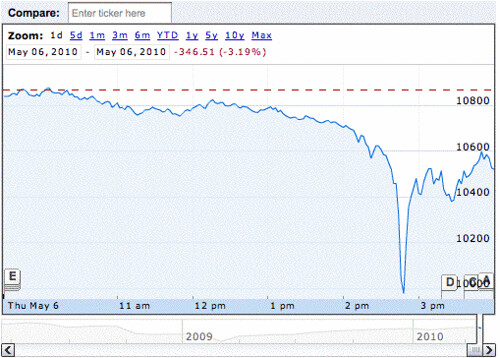
The recent Nasdaq meltdown has raised concerns among investors regarding the state of the stock market. This sudden decline can be attributed to several factors that have shaken investor confidence.
Firstly, the rapid rise of technology stocks, often referred to as the AI bubble, has led to inflated valuations. As these stocks began to correct, the entire Nasdaq index faced significant losses.
Secondly, rising interest rates have made borrowing more expensive, prompting investors to reassess their portfolios. Many are now questioning whether it is wise to buy during a downturn.
In this climate, it is essential for investors to evaluate their strategies carefully. Here are some points to consider:
- Market volatility can provide opportunities for long-term investments.
- Timing the market is often challenging and risky.
- Diversification remains a key strategy to mitigate risk.
What Caused the AI Bubble to Burst?
The recent Nasdaq meltdown can be traced back to several key factors that contributed to the bursting of the AI bubble. Investors, initially optimistic about the potential of artificial intelligence, began to reassess their expectations as market realities set in.
Among the primary causes are:
- Overvaluation: Many tech stocks, particularly those in the AI sector, were trading at unsustainable levels, leading to a market correction.
- Rising interest rates: As interest rates increased, borrowing costs rose, making it more expensive for companies to fund growth and for consumers to spend.
- Profit-taking: Early investors took profits as stock prices peaked, triggering a sell-off that intensified the decline.
- Market sentiment: A shift in investor sentiment towards caution has led to decreased demand for high-risk assets.
These factors combined resulted in the significant downturn seen in the Nasdaq.
Is Now the Right Time to Invest?
Investors are grappling with the question: Is now the right time to invest amidst the Nasdaq meltdown? The volatility in the stock market has left many wondering if they should seize the opportunity or wait for stability. Experts suggest that timing the market is often a gamble that can lead to significant losses.
When considering investment, it is crucial to assess several factors:
- Market Trends: Analyze whether this downturn is temporary or indicative of a larger trend.
- Financial Health: Review the fundamentals of the companies you are interested in.
- Long-term Goals: Determine if your investment strategy aligns with your financial objectives.
While some may view the Nasdaq meltdown as a buying opportunity, caution is advised. Investing should be approached with careful consideration and thorough research.
Expert Opinions on the Current Market
Experts are weighing in on the implications of the recent Nasdaq meltdown, cautioning investors to proceed with care. According to financial analysts, the sharp decline in tech stocks signals uncertainty in the market.
Dr. Emily Chen, a prominent market strategist, states, “The Nasdaq meltdown reflects deeper issues within the tech sector, particularly in overvalued AI companies. Investors should assess their portfolios critically.”
In contrast, Mark Robinson, a veteran investor, believes there could be opportunities hidden within the chaos. He suggests that “this might be the right moment to buy quality stocks at a discount, but timing is crucial.”
Moreover, many experts emphasize the importance of a diversified investment strategy during such volatile periods. They recommend focusing on fundamentals rather than short-term market trends to navigate the current uncertainties effectively.
Historical Context of Market Meltdowns
The historical context of market meltdowns reveals patterns that can inform current investment strategies. Notably, the Nasdaq meltdown of 2000 serves as a critical reference point. At that time, overvaluation in technology stocks led to a rapid decline, with the index losing nearly 80% of its value by 2002.
Investor sentiment during this period was marked by
- Excessive optimism about technological advancements.
- Increased speculation regarding potential profitability.
- Rapid shifts in market dynamics as reality set in.
Similar factors can be observed in the current climate, suggesting that understanding past events is crucial for navigating today’s volatile environment. The lessons learned from previous meltdowns may help investors make more informed decisions as they consider their positions in the face of a potential resurgence of the Nasdaq meltdown.
Strategies for Navigating Market Volatility
Navigating the current market volatility, particularly during the Nasdaq meltdown, requires a strategic approach to investing. Here are some effective strategies to consider:
- Diversification: Spread investments across various sectors to mitigate risk.
- Dollar-Cost Averaging: Invest a fixed amount regularly, which can help reduce the impact of market fluctuations.
- Research and Analysis: Stay informed about market trends and perform thorough analyses before making investment decisions.
- Set Realistic Goals: Define short-term and long-term investment objectives to maintain focus during turbulent times.
- Emotional Discipline: Avoid making impulsive decisions based on fear or market hype; stick to your investment plan.
By employing these strategies, investors can better navigate the challenges posed by the Nasdaq meltdown and position themselves for future growth.
Future Predictions for Nasdaq and AI Stocks
As analysts evaluate the aftermath of the Nasdaq meltdown, future predictions for both the index and AI stocks are mixed. Some experts believe the market may stabilize in the coming months, while others anticipate ongoing volatility. Key predictions include:
- Short-term fluctuations: Immediate rebounds may be followed by further downturns as investors reassess their strategies.
- Long-term growth potential: Despite the current crisis, many analysts remain bullish on AI stocks, citing their transformative potential.
- Sector rotation: Investors may shift focus from tech-heavy stocks to more resilient sectors, impacting Nasdaq performance.
While the Nasdaq meltdown has raised concerns, some analysts suggest that strategic investments in select AI companies could yield significant returns in the future. As always, caution and thorough research are advised before making any financial decisions.
Conclusion: Key Takeaways for Investors
In light of recent events surrounding the Nasdaq meltdown, investors must tread carefully as they navigate this turbulent market. Here are some key takeaways to consider:
- Assess Risk Tolerance: Understand your risk appetite before making any investment decisions.
- Long-Term Perspective: Focus on long-term growth rather than short-term gains during market downturns.
- Diversification: Ensure your portfolio is diversified to mitigate risks associated with individual stocks.
- Stay Informed: Keep abreast of market trends and expert analyses to make educated choices.
- Patience is Key: Significant recovery often takes time; avoid panic selling.
Ultimately, while the Nasdaq meltdown may seem daunting, a well-thought-out strategy can help investors emerge stronger in the long run.







Leave a Reply