
lava planet clouds are challenging what astronomers expected. Recent observations reveal surprising atmospheric phenomena that could reshape our understanding of these extreme worlds.
Understanding Lava Planets
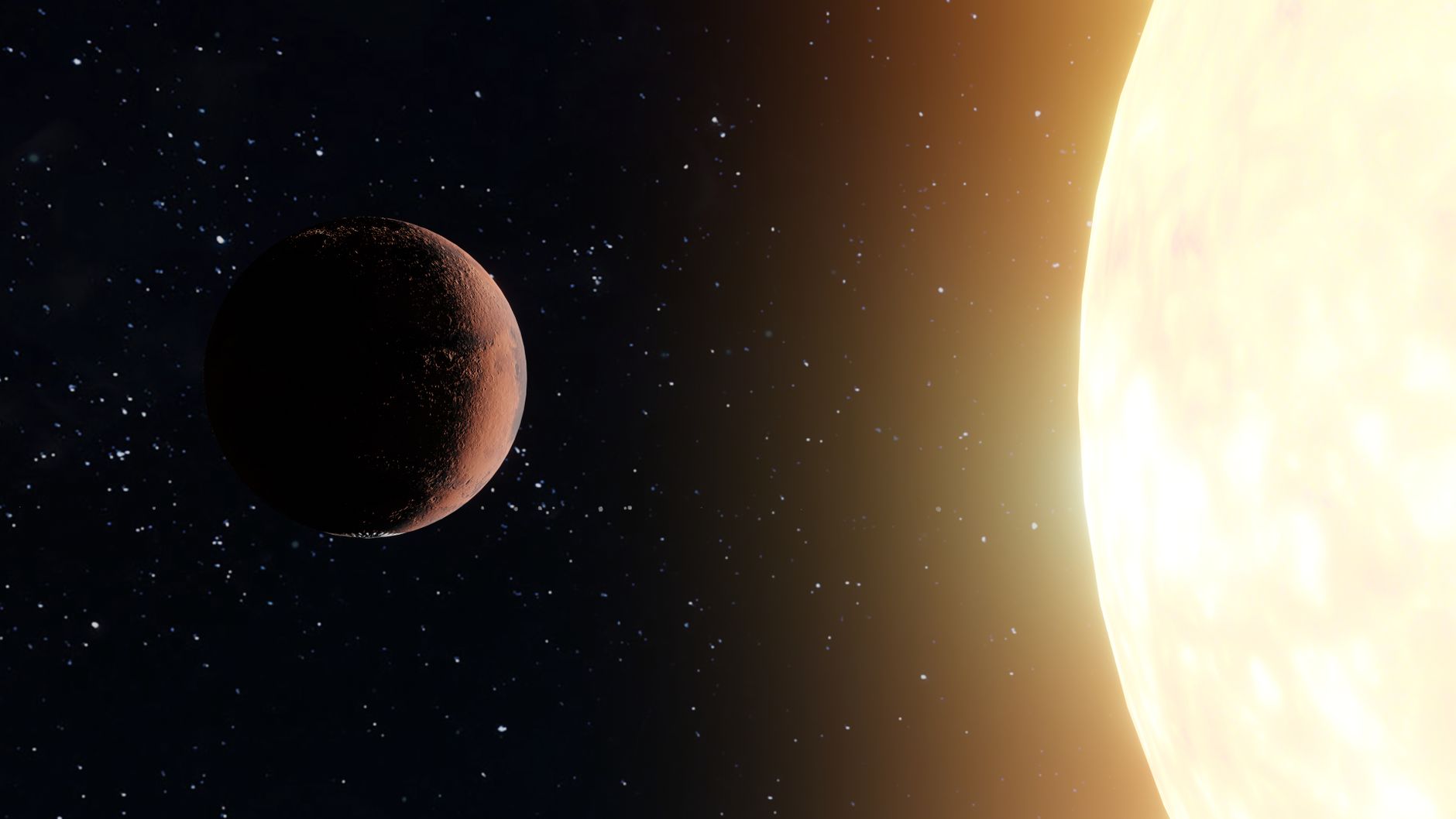
Lava planets, characterized by their extreme temperatures and molten surfaces, present unique challenges for astronomers. These celestial bodies are often located close to their host stars, resulting in intense heat that can lead to the formation of unusual atmospheric conditions.
One of the most surprising discoveries about lava planets is the presence of clouds, which defy previous expectations. Astronomers initially believed that the scorching environments would inhibit cloud formation. However, recent observations suggest that:
- High temperatures: Despite the heat, certain compounds can exist in gaseous forms, potentially leading to cloud development.
- Dynamic atmospheres: The interaction between the molten surface and the atmosphere can create conditions conducive to cloud formation.
- Possible chemical reactions: Elements such as sodium and potassium may contribute to the formation of unique cloud types.
This new understanding of lava planet clouds poses significant questions regarding the atmospheric chemistry and potential habitability of these worlds. As astronomers continue to study these phenomena, they may uncover more about the diverse environments that exist beyond our solar system, challenging our comprehension of planetary atmospheres.
The Role of Clouds in Astronomy
The study of lava planet clouds presents unique challenges for astronomers, reshaping our understanding of planetary atmospheres. These clouds, formed from molten rock and gases, differ significantly from those found on Earth and other celestial bodies. As astronomers delve deeper into the characteristics of these clouds, several key factors emerge.
- Composition: The clouds on lava planets are primarily composed of silicate minerals and metallic vapors, creating a highly reflective atmosphere that could obscure the planet’s surface features.
- Temperature Variability: With surface temperatures soaring, these clouds may form at varying altitudes, complicating temperature measurements and atmospheric models.
- Dynamic Weather Patterns: The interaction between molten rock and gaseous emissions leads to unpredictable weather systems, affecting how light and heat are distributed across the planet.
- Observational Techniques: Traditional methods of studying planetary atmospheres may not be effective on lava planets, requiring astronomers to develop new observational strategies to capture the unique dynamics of these clouds.
As research progresses, understanding the role of clouds on lava planets will not only enhance our knowledge of these extreme environments but also challenge existing theories regarding planetary formation and atmospheric behavior.
Recent Discoveries in Space
Recent discoveries in space have unveiled intriguing phenomena that challenge conventional astronomical expectations. One of the most significant findings involves the presence of lava planet clouds, which have been detected on exoplanets previously thought to lack such complex atmospheric conditions.
These clouds are not composed of water vapor as seen on Earth; instead, they potentially consist of various minerals and gases that rise from the molten surfaces of these distant worlds. The detection of these clouds has raised questions about the atmospheric dynamics of lava planets, leading scientists to reconsider their models of planetary formation and evolution.
Among the key discoveries, astronomers have identified several challenges in studying lava planet clouds:
- Temperature Extremes: The high surface temperatures complicate the analysis of cloud composition.
- Radiation Levels: Intense radiation from nearby stars can alter cloud characteristics.
- Observation Tools: Current telescopes may struggle to capture the unique signatures of these clouds.
As researchers continue to explore these phenomena, the implications of lava planet clouds may reshape our understanding of planetary atmospheres, prompting further inquiry into the nature of these extreme environments.
Implications for Future Research
The discovery of clouds on lava planets presents significant implications for future research in astronomy. As scientists continue to explore these extreme environments, several challenges arise that could reshape our understanding of planetary formation and atmospheric dynamics.
Firstly, the presence of clouds on lava planets complicates existing models of atmospheric behavior. Traditional theories often assume that high temperatures would prevent cloud formation. However, these findings suggest that unique chemical processes may allow for cloud development in such hostile conditions. This necessitates a reevaluation of atmospheric models to accommodate these unexpected phenomena.
Moreover, the observation of clouds on lava planet surfaces may provide insights into potential habitability. While these planets are often deemed inhospitable, understanding the composition and behavior of their atmospheres could reveal more about their capacity to support life, albeit in forms vastly different from those on Earth.
Lastly, astronomers must enhance their observational techniques to study these planets more effectively. Utilizing advanced telescopes and spectrometers will be essential in gathering data on lava planet clouds, paving the way for breakthroughs in exoplanetary science.
In summary, the challenges posed by lava planet clouds not only deepen our knowledge of these extreme worlds but also encourage a shift in research priorities within the astronomical community.
How Do Clouds Form on Lava Planets?
The formation of clouds on lava planets presents unique challenges that differ significantly from those on Earth. These celestial bodies, characterized by their molten surfaces and extreme temperatures, create an environment where traditional cloud formation theories may not apply.
In general, clouds form when water vapor in the atmosphere cools and condenses into droplets or ice crystals. However, on lava planets, the conditions are vastly different:
- High Temperatures: The intense heat emanating from the planet’s surface can lead to the vaporization of any potential cloud-forming substances, making it difficult for clouds to stabilize.
- Atmospheric Composition: Lava planets may lack the necessary elements for conventional water-based clouds, possibly forming clouds of silicate or other materials instead.
- Dynamic Weather Systems: The extreme volcanic activity can contribute to a highly turbulent atmosphere, complicating the processes that typically allow clouds to form and persist.
These factors suggest that the clouds on lava planets may not only defy our expectations but also require astronomers to rethink their understanding of planetary atmospheres and the role of clouds in these extreme environments.
Expert Opinions on New Findings
Recent discoveries regarding lava planet clouds have prompted a reevaluation of established astronomical theories. Experts have expressed varied opinions on these revelations, highlighting both excitement and caution in their interpretations.
Dr. Emily Carter, an astrophysicist at the Cosmic Research Institute, stated, “The presence of clouds on lava planets was not anticipated. These findings challenge our understanding of planetary atmospheres in extreme environments.” She emphasized the need for further studies to comprehend how these clouds form and their composition.
Meanwhile, renowned planetary scientist Dr. Raj Patel noted, “This new data opens up a plethora of questions regarding the climatic conditions on such planets. Are these clouds purely composed of vaporized minerals, or do they contain other compounds?” He believes this could lead to breakthroughs in our understanding of exoplanets.
Another expert, Dr. Linda Torres, remarked, “The implications of these clouds extend beyond lava planets. They could reshape our models of atmospheric dynamics across various celestial bodies.” The consensus among scientists is clear: while the findings are promising, they also present significant challenges that warrant further investigation.
As research progresses, astronomers remain hopeful that these discoveries will enhance our knowledge of the universe.
The study of lava planet clouds presents numerous obstacles for astronomers, particularly due to their extreme temperatures and compositions. Understanding the dynamics of lava planet clouds is crucial for unraveling the mysteries of these distant worlds.
Where this came from
You might also like
Modi Won’t Go: The Clear Truth Behind BJP’s Response · U.S. Army Oil Assistance: Proven Benefits for Global Supply · NASA solar array upgrades: Proven benefits for ISS


Leave a Reply