
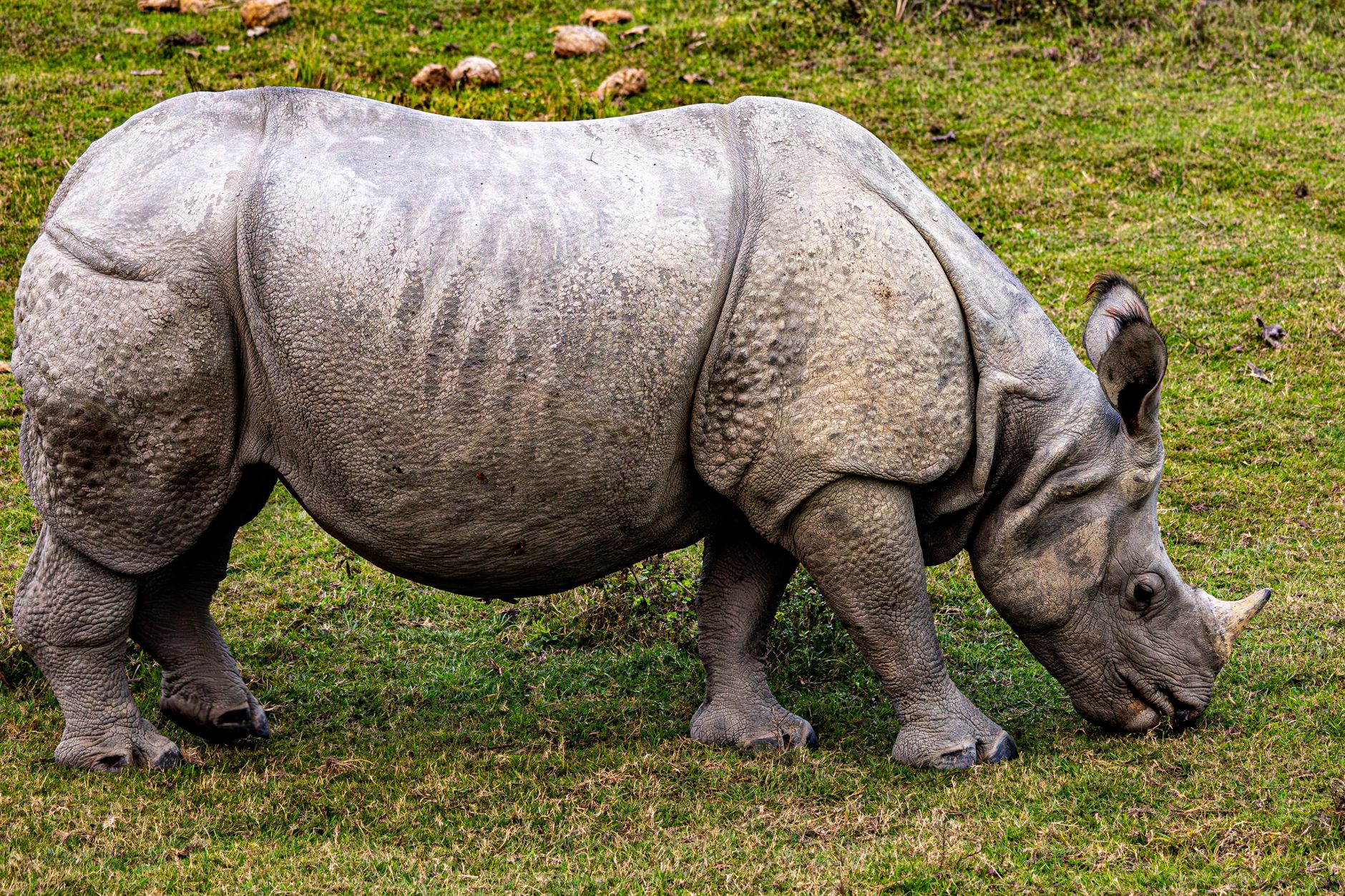
India rhino recovery is a remarkable achievement, showcasing the nation’s commitment to wildlife conservation and the successful resurgence of the rhino population.
Overview of India’s Rhino Recovery
India has made significant strides in the recovery of its rhino population, showcasing a successful model for conservation efforts. The country’s dedicated initiatives have led to a remarkable increase in the number of rhinos, particularly the Indian rhinoceros, which is primarily found in the northeastern state of Assam.
Key factors contributing to this success include:
- Strict Anti-Poaching Measures: Enhanced security and surveillance in national parks have drastically reduced poaching incidents.
- Community Involvement: Local communities are actively engaged in conservation efforts, fostering a sense of ownership and responsibility towards wildlife protection.
- Habitat Restoration: Efforts to restore and protect natural habitats have created a more conducive environment for rhinos to thrive.
Prime Minister Modi recently emphasized the importance of these efforts, noting that India’s rhino recovery is a testament to the nation’s commitment to biodiversity conservation. The positive results not only highlight the effectiveness of these measures but also serve as an inspiration for similar initiatives worldwide. As India continues to prioritize wildlife conservation, the future of the rhino species appears increasingly secure.
Significance of Rhino Conservation
Rhinos hold a significant place in India’s biodiversity and cultural heritage. The conservation of these majestic creatures is not only crucial for ecological balance but also contributes to the overall health of the environment. The recovery of the Indian rhino, in particular, has become a symbol of successful conservation efforts, demonstrating the efficacy of targeted strategies.
Strong conservation initiatives have led to a remarkable increase in the rhino population, showcasing the resilience of nature when given a chance to thrive. The following points highlight the significance of rhino conservation:
- Biodiversity Preservation: Rhinos play a vital role in their ecosystems by maintaining grassland habitats and supporting various plant and animal species.
- Tourism Boost: The presence of rhinos attracts wildlife enthusiasts and tourists, contributing to the local economy and promoting awareness about conservation.
- Cultural Importance: Rhinos are an integral part of India’s natural heritage, symbolizing strength and endurance in many local cultures.
- Research Opportunities: Conserving rhinos provides valuable opportunities for scientific research, further enhancing our understanding of wildlife management.
Overall, the recovery of India’s rhino population is a testament to the power of dedicated conservation efforts and highlights the importance of ongoing protection and sustainable practices.
PM Modi’s Role in Wildlife Protection
Prime Minister Narendra Modi has played a pivotal role in highlighting the importance of wildlife protection in India, particularly in the context of the rhino recovery efforts. His commitment to conservation has garnered attention both domestically and internationally. During recent speeches, PM Modi emphasized the need for sustainable practices that ensure the survival of endangered species, including the Indian rhino.
Under his leadership, several initiatives have been launched to enhance habitat protection and strengthen anti-poaching measures, which are vital for the ongoing success of rhino recovery. These efforts include:
- Increased funding: The government has allocated substantial resources towards conservation programs.
- Community engagement: Local communities are encouraged to participate actively in wildlife protection initiatives.
- Awareness campaigns: Educational programs aimed at promoting the ecological significance of rhinos have been implemented.
Additionally, PM Modi’s focus on eco-tourism has paved the way for economic opportunities linked to wildlife conservation. By showcasing India’s rhino recovery as a success story, he aims to inspire other nations to adopt similar conservation strategies. This holistic approach not only saves the rhino but also benefits biodiversity and strengthens the ecosystem.
Challenges in Rhino Recovery
The journey towards a successful India rhino recovery has not been without its challenges. Despite significant progress in conservation efforts, several obstacles continue to threaten the resurgence of the rhino population.
- Poaching: Rhino horns are still highly valued in illegal markets, prompting poachers to target these majestic animals. This illicit trade remains one of the most pressing threats to their survival.
- Habitat Loss: Rapid urbanization and agricultural expansion lead to the destruction of natural habitats. As human populations grow, rhinos face increasing pressure on their living spaces, which affects their ability to thrive.
- Climate Change: Changes in climate patterns can disrupt the ecosystems that rhinos depend on. Altered rainfall patterns and rising temperatures may impact food availability, further complicating recovery efforts.
- Disease: As rhinos come into closer contact with domestic livestock and humans, the risk of disease transmission increases. This poses a significant risk to their health and overall population stability.
Addressing these challenges is crucial for sustaining the momentum of the India rhino recovery initiative and ensuring the long-term survival of this iconic species.
Success Stories from Conservation Efforts
The success stories from conservation efforts in India exemplify the nation’s commitment to rhino recovery. Through a blend of innovative strategies and community engagement, significant milestones have been achieved in recent years.
- Increased Population: The population of the Indian rhino has seen a remarkable resurgence, particularly in Kaziranga National Park, where numbers have grown from around 600 in the 1970s to over 2,600 today. This increase showcases the effectiveness of targeted conservation practices.
- Community Involvement: Local communities are now actively participating in conservation efforts. Initiatives that involve local people in anti-poaching activities and habitat preservation have proved successful, fostering a sense of ownership and responsibility.
- Anti-Poaching Measures: Enhanced security and surveillance have led to a significant decrease in poaching incidents. The implementation of drone technology and the establishment of rapid response teams are among the key strategies adopted to protect rhinos.
- Global Partnerships: Collaboration with international organizations has strengthened conservation policies and provided necessary funding and expertise, bolstering India’s rhino recovery initiatives.
These success stories demonstrate that with sustained effort and community support, the future of the Indian rhino looks promising.
Future of Rhino Species in India
The future of rhino species in India appears promising, thanks to sustained conservation efforts and community engagement. As highlighted by PM Modi, the “remarkable recovery” of the Indian rhino serves as a testament to the effectiveness of integrated conservation strategies.
Continued vigilance against poaching and habitat loss remains essential. Various organizations and government bodies are working collaboratively to ensure that these majestic creatures thrive in their natural habitats. Key initiatives include:
- Enhanced Anti-Poaching Measures: Greater investment in surveillance technology and patrolling has led to a significant decrease in poaching incidents.
- Community Involvement: Local communities are increasingly participating in conservation efforts, realizing the economic benefits of wildlife tourism.
- Habitat Restoration: Efforts to restore and expand rhino habitats are crucial for accommodating growing populations.
Moreover, educational programs aimed at raising awareness about the ecological importance of rhinos are gaining momentum. These programs help foster a sense of stewardship among younger generations, ensuring a lasting commitment to wildlife protection.
Ultimately, the future of rhino species in India hinges on these collective efforts, positioning the country as a global leader in rhino recovery and conservation.
Community Involvement in Conservation
Community involvement has played a crucial role in the success of India’s rhino recovery efforts. Local populations have become active participants in conservation initiatives, understanding that the protection of rhinos directly impacts their livelihoods and the health of their environment.
Through various programs, communities have been educated about the importance of rhinos and their ecosystems. These initiatives have led to a sense of ownership among residents, fostering a collaborative spirit towards wildlife protection. The following are key aspects of community involvement:
- Awareness Campaigns: Local NGOs and government bodies have conducted workshops and outreach programs to educate villagers about the ecological significance of rhinos.
- Eco-Tourism Opportunities: Communities are encouraged to participate in eco-tourism, providing guided tours and experiences that highlight the importance of rhino habitats.
- Anti-Poaching Patrols: Community members are trained to assist in anti-poaching efforts, ensuring a united front against wildlife crime.
This collective effort has resulted in a remarkable recovery of the rhino population, showcasing how community involvement can lead to successful conservation outcomes. The ongoing commitment of local communities remains vital for the future of India’s rhinos.
The remarkable progress in India rhino recovery showcases the effectiveness of targeted conservation strategies. As a result, populations of the one-horned rhinoceros have seen a significant increase in protected areas.
Photo by Regan Dsouza on Pexels




Leave a Reply