
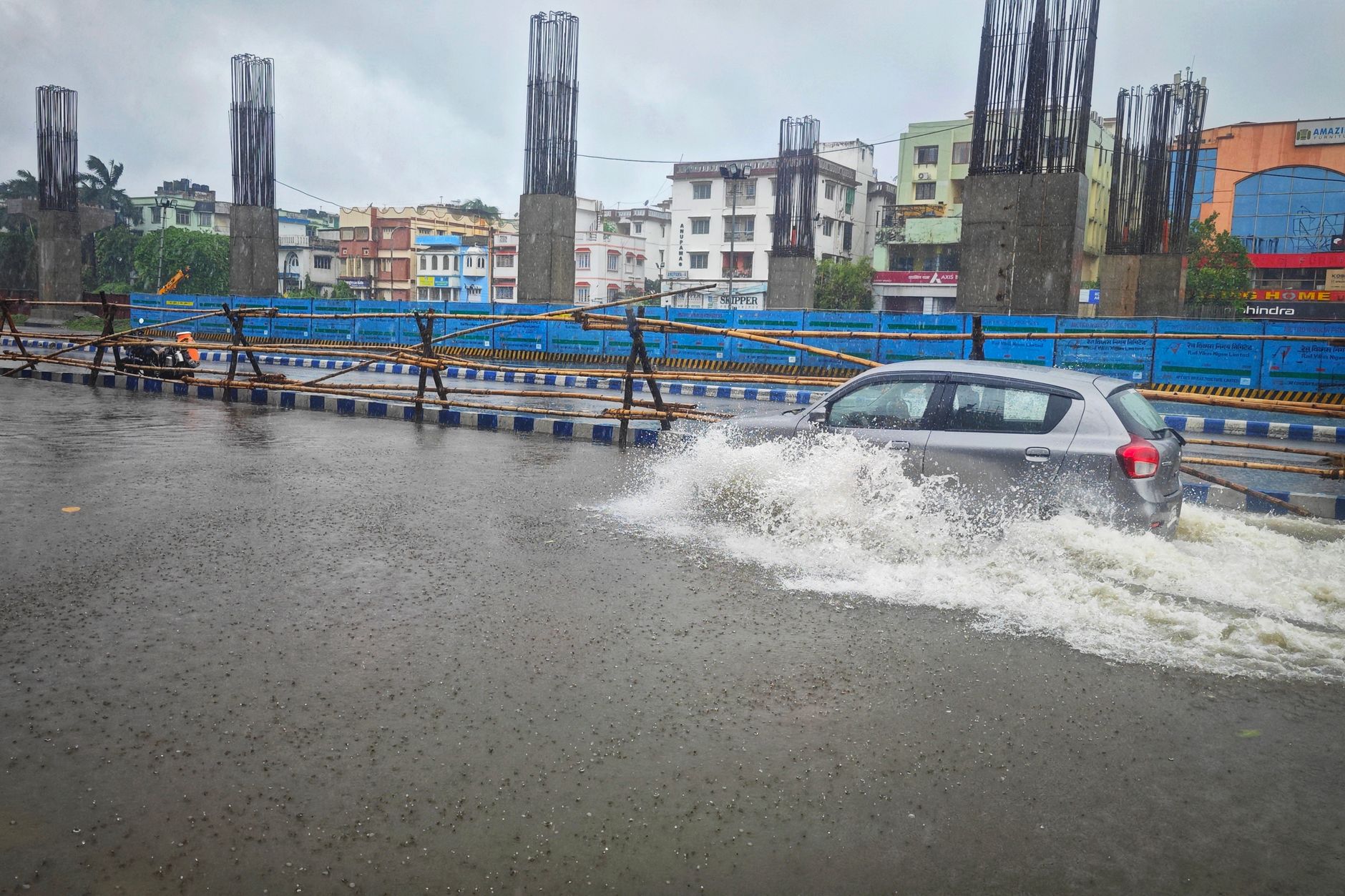
heavy rain central India is forecasted due to a deep depression, raising concerns about flooding and travel disruptions in the region.
Understanding the Deep Depression
A deep depression forming over the Bay of Bengal is significantly impacting the weather across central and eastern India. This meteorological phenomenon is characterized by a drop in atmospheric pressure, leading to increased cloud formation and precipitation. As a result, the region is experiencing heavy rain, raising concerns about potential flooding and landslides.
The Indian Meteorological Department (IMD) has issued warnings for several states, indicating that the heavy rain may worsen in the coming days. The deep depression is expected to move inland, affecting areas that have already been experiencing adverse weather conditions.
The following regions are particularly vulnerable:
- Madhya Pradesh
- Chhattisgarh
- Uttar Pradesh
- Odisha
Residents are advised to stay alert and prepared for sudden weather changes. Emergency services are on standby to respond to any incidents caused by the heavy rain in central India, ensuring public safety remains a priority during this challenging time.
Forecast for Eastern India
The forecast for Eastern India indicates that the region will experience significant impacts due to the ongoing weather disturbances. With the deep depression affecting central India, heavy rain is expected to extend into eastern states, raising concerns for local communities.
Weather experts predict that the following areas will be particularly affected:
- Bihar: Anticipated rainfall may lead to waterlogging and flash floods.
- West Bengal: Heavy rain could disrupt transportation and agriculture.
- Odisha: Coastal regions are on alert for high winds and heavy downpours.
Residents are advised to stay vigilant and prepare for potential disruptions. The India Meteorological Department has issued warnings for severe weather conditions, advising people to avoid unnecessary travel during the heavy rain events.
As the situation develops, authorities are working to ensure safety and provide assistance to affected areas. The severe weather may also influence the ongoing agricultural activities in the region, making it imperative for farmers to remain informed about the changing conditions.
Impact of Heavy Rain on Daily Life
The recent heavy rain in central India has significantly disrupted daily life, leading to a range of challenges for residents. Many areas have experienced severe flooding, making roads impassable and affecting transportation services.
Local authorities have reported:
- Increased traffic jams due to submerged roads and vehicles.
- Power outages as electrical infrastructure struggles to cope with the heavy downpour.
- Delayed train services, with some routes being temporarily suspended for safety reasons.
In addition to transportation issues, the heavy rain has also impacted agricultural activities. Farmers are concerned about:
- Waterlogging in fields, which can damage crops.
- Potential delays in the harvest season.
- Increased pest infestations due to the damp conditions.
Health officials are also on high alert, as standing water may lead to an uptick in mosquito-borne diseases. Overall, the heavy rain in central India has brought about the worst weather conditions, challenging the resilience of the local communities.
Safety Tips During Heavy Rain
As heavy rain continues to affect central India, it is crucial to prioritize safety during these challenging weather conditions. The following tips can help individuals and families stay safe:
- Stay Indoors: During heavy rain, it is advisable to remain indoors as much as possible. Avoid traveling unless absolutely necessary.
- Monitor Weather Updates: Keep track of weather forecasts from reliable sources to stay informed about the situation and any alerts.
- Avoid Flooded Areas: Steer clear of areas prone to flooding, as even shallow water can pose significant risks.
- Secure Important Documents: Store essential documents in waterproof containers to prevent damage from potential flooding.
- Prepare an Emergency Kit: Assemble a kit with necessities such as food, water, medications, and a flashlight in case of power outages.
- Stay Away from Electrical Equipment: Do not use electrical appliances during heavy rain, and avoid standing water that may be in contact with electrical sources.
By following these safety tips, residents can better navigate the challenges posed by heavy rain in central India.
Travel Disruptions Expected
As heavy rain continues to batter central India, travel disruptions are anticipated across multiple regions. With road conditions worsening, authorities are advising travelers to reconsider their plans and stay updated on local weather forecasts.
Major highways and rural roads have already started to experience flooding, leading to traffic delays and detours. Public transportation services, including trains and buses, are also likely to face interruptions due to the adverse weather conditions. Passengers are encouraged to check schedules and prepare for possible cancellations.
In addition to road travel, air travel is expected to be significantly affected. Airlines are monitoring the situation closely and may implement delays or rescheduling of flights as the heavy rain in central India poses risks to flight safety.
Travelers should take necessary precautions, such as:
- Carrying essential supplies like food and water.
- Keeping mobile devices charged for communication and updates.
- Staying informed about local weather conditions.
Taking these measures can help ensure safety during this challenging weather event.
Historical Weather Patterns
The weather patterns in central India have been historically marked by significant fluctuations, with heavy rain often influencing both agriculture and daily life. Over the past few decades, the region has experienced an increase in the intensity and frequency of monsoon rains, leading to concerns about climate change and its impact on weather systems.
During the monsoon season, central India typically receives substantial rainfall, but instances of extreme weather have become more common. Records show that in the last ten years, several areas have faced unprecedented levels of precipitation, resulting in severe flooding and landslides. These heavy rain events have disrupted local communities and strained infrastructure.
Key factors contributing to these changes include:
- Variability in sea surface temperatures
- Deforestation and land-use changes
- Urbanization and growing population pressures
As heavy rain continues to affect central India, understanding these historical weather patterns becomes crucial for future preparedness and resilience strategies.
Government Response to Flooding
The government has initiated several measures in response to the heavy rain central India is currently experiencing. In light of the severe weather conditions, officials have activated emergency response teams to assist affected areas. The local authorities are closely monitoring the situation and are prepared to provide necessary resources to those in need.
Relief camps have been established in various locations to accommodate displaced residents. These camps are equipped with food, medical supplies, and other essential services to ensure the safety and well-being of those impacted by the flooding. The government has also deployed additional personnel to assist with rescue operations and maintain order in the affected regions.
In addition, the meteorological department has been issuing regular updates to inform the public about weather developments and safety protocols. Citizens are urged to stay updated through official channels and adhere to guidelines provided by authorities to minimize risks during this difficult time.
- Emergency response teams mobilized
- Relief camps set up for displaced residents
- Regular weather updates issued by authorities
The recent heavy rain central India has led to significant flooding in several regions, disrupting daily life for thousands of residents. Emergency services are working tirelessly to address the challenges posed by the heavy rain central India has experienced over the past few days.
Photo by Dibakar Roy on Pexels
References
Related reading
India-Middle East-Europe corridor: A Smart Overview of IMEC · Northwest Indiana news: What are the best highlights today? · BetSpino contact: snelle hulp via live chat, e‑mail en telefoon in Nederland



Leave a Reply