
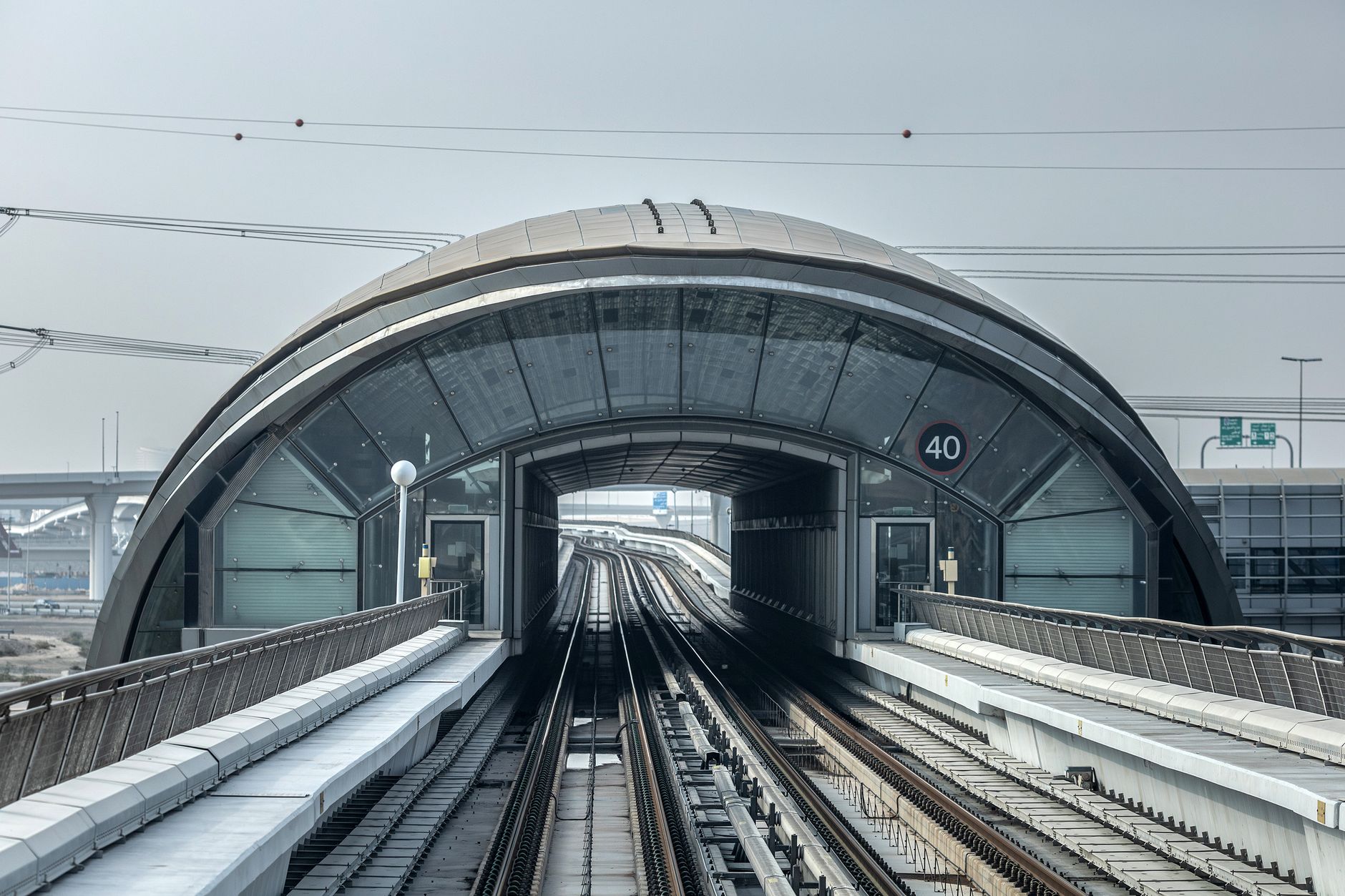
The India-Middle East-Europe corridor is a strategic initiative that aims to enhance connectivity and trade among the regions involved. This corridor has garnered significant attention lately, especially with Trump’s support.
What is the India-Middle East-Europe corridor?
The India-Middle East-Europe corridor (IMEC) is a significant geopolitical initiative aimed at enhancing connectivity and trade among the regions of India, the Middle East, and Europe. This ambitious project focuses on establishing a robust infrastructure network that includes railways, roadways, and ports, facilitating the seamless movement of goods and services.
IMEC is designed to counterbalance other regional connectivity projects and aims to promote economic collaboration among participating nations. By linking India with Europe via the Middle East, the corridor is expected to reduce logistical costs and transit times, thus fostering trade relations.
The initiative has garnered support from various global leaders, including former U.S. President Donald Trump, highlighting its strategic importance on the world stage. The project is anticipated to create new opportunities for investment and development, benefiting not only the participating countries but also enhancing global supply chains.
Key features of the corridor include:
- Rail and road networks connecting major cities.
- Development of port facilities to facilitate maritime trade.
- Strengthening energy cooperation among nations.
Overall, the India-Middle East-Europe corridor represents a pivotal step towards a more integrated and prosperous economic landscape, with the potential to reshape trade dynamics across continents.
Key benefits of the IMEC initiative
The India-Middle East-Europe corridor (IMEC) initiative presents several key benefits that could reshape global trade dynamics. By establishing a direct trade route, it aims to enhance economic cooperation between the participating regions. Here are some significant advantages:
- Improved Connectivity: The IMEC is designed to create a seamless connection between India, the Middle East, and Europe, reducing transportation times and costs.
- Boost to Trade: The initiative is expected to facilitate an increase in trade volumes, benefiting industries across various sectors by opening new markets.
- Energy Security: With a focus on energy cooperation, the corridor aims to ensure a more stable supply of energy resources, which is crucial for economic growth.
- Infrastructure Development: The construction and enhancement of infrastructure along the corridor will spur local economies and create job opportunities.
- Geopolitical Stability: By fostering closer ties among nations, the IMEC could contribute to regional stability and improved diplomatic relations.
Overall, the India-Middle East-Europe corridor is poised to be a transformative initiative that not only promotes economic growth but also strengthens international partnerships.
Current status of the India-Middle East-Europe corridor
The India-Middle East-Europe corridor (IMEC) has seen significant developments in recent months, attracting attention from global leaders and stakeholders. As of now, multiple nations are actively engaging in discussions to finalize the corridor’s framework and operational details.
Recently, diplomatic dialogues have intensified, with key countries expressing strong support for the initiative. India, along with various Middle Eastern nations and European partners, is working collaboratively to enhance trade connectivity across these regions. The IMEC aims to create a seamless logistics network, facilitating the movement of goods and services.
A notable milestone occurred when a summit involving representatives from the participating nations was held to establish a timeline for the project’s implementation. Investment opportunities within the corridor have generated interest, with countries eager to participate in infrastructure development.
Challenges remain, particularly regarding geopolitical tensions and variations in regulatory frameworks among the nations involved. However, the commitment to overcoming these hurdles has been emphasized by leaders during recent meetings.
In summary, the current status of the India-Middle East-Europe corridor indicates a positive trajectory toward realization, with increased collaboration and investment paving the way for a transformative regional connectivity initiative.
Trump’s support for IMEC explained
Former President Donald Trump’s endorsement of the India-Middle East-Europe corridor (IMEC) has gained significant attention, particularly in the context of boosting international trade and economic collaboration. Trump’s support stems from the belief that the IMEC can serve as a strategic alternative to existing trade routes, enhancing connectivity between India, the Middle East, and Europe.
During a recent conference, Trump emphasized the corridor’s potential to facilitate the swift movement of goods and services, highlighting its importance in fortifying economic ties among the participating nations. He noted that the IMEC could play a crucial role in reducing dependency on traditional shipping routes, which have become increasingly congested and vulnerable to geopolitical tensions.
Moreover, Trump’s backing aligns with broader U.S. interests in fostering stability in the Middle East while simultaneously countering China’s Belt and Road Initiative. By promoting the IMEC, Trump aims to enhance America’s influence in global trade while supporting the economic aspirations of allied nations.
Analysts suggest that Trump’s involvement could galvanize further investments and political backing for the IMEC, making it a significant player in the landscape of international trade corridors. As the initiative progresses, the impact of such high-profile support will be closely monitored by policymakers and economists alike.
How IMEC impacts global trade
The India-Middle East-Europe corridor (IMEC) is poised to significantly transform global trade dynamics. By establishing a direct route connecting India to Europe through the Middle East, IMEC aims to streamline logistics, reduce transit times, and lower shipping costs.
One of the most notable impacts of IMEC is its potential to enhance trade connectivity among participating nations. This initiative promises to create a robust supply chain network that facilitates the movement of goods across continents.
- Increased Efficiency: The corridor will enable quicker access to European markets for Indian exporters, thus fostering economic growth and expanding trade opportunities.
- Access to New Markets: By providing a strategic link between Asia and Europe, IMEC opens doors for Middle Eastern countries to enhance their trade relations with both regions.
- Sustainability Initiatives: The corridor is also expected to incorporate eco-friendly transportation practices, aligning with global sustainability goals.
Furthermore, the IMEC initiative may lead to increased competition among logistics providers, prompting improvements in service quality and innovation. As countries recognize the advantages of this corridor, participation may grow, further solidifying its role in shaping the future of international trade.
Future prospects for the corridor
The future prospects for the India-Middle East-Europe corridor (IMEC) appear promising as nations continue to recognize the strategic importance of enhanced connectivity. This initiative aims to foster economic growth and facilitate smoother trade routes among the participating regions.
Several factors contribute to the positive outlook for IMEC:
- Geopolitical Stability: As nations engage in cooperative efforts, the potential for political stability along the corridor increases, which can encourage investment and development.
- Infrastructure Development: Ongoing investments in infrastructure will not only strengthen transport links but will also create jobs and boost local economies.
- Technological Innovation: The integration of advanced technologies in logistics and transportation can enhance efficiency, making trade routes more attractive.
- Environmental Considerations: With a growing focus on sustainability, IMEC’s design incorporates eco-friendly practices that could appeal to environmentally conscious investors.
- Global Partnerships: Collaborations among countries along the corridor can lead to shared resources and knowledge, further enhancing the corridor’s potential.
As countries continue to align their interests, the India-Middle East-Europe corridor is poised to become a pivotal player in international trade, fostering economic ties that could reshape global commerce for the better.
Challenges facing the India-Middle East-Europe corridor
The India-Middle East-Europe corridor, despite its promising potential, faces several significant challenges that could impact its successful implementation and operational efficiency.
- Geopolitical Tensions: The corridor traverses regions with complex geopolitical dynamics. Ongoing conflicts and diplomatic tensions among nations can hinder collaboration and complicate logistics.
- Infrastructure Development: Establishing the necessary infrastructure, including railways and ports, requires substantial investment and coordination among multiple stakeholders. Delays or mismanagement in construction can impede progress.
- Regulatory Hurdles: Varying regulatory standards and customs procedures across different countries may lead to inefficiencies. Streamlining regulations will be crucial for facilitating smoother trade routes.
- Environmental Concerns: The corridor’s development might pose environmental challenges, as extensive construction could disrupt local ecosystems. Balancing economic growth with environmental sustainability will be essential.
- Funding Issues: Securing adequate funding from both public and private sectors is critical. Fluctuating economic conditions and competing priorities may impact the financial support necessary for the initiative.
Addressing these challenges will be vital to realizing the full potential of the India-Middle East-Europe corridor and ensuring it serves as a robust conduit for trade and connectivity among the regions involved.
Conclusion: The significance of IMEC for trade
The India-Middle East-Europe corridor (IMEC) represents a transformative initiative that aims to reshape global trade dynamics. Its significance extends beyond mere infrastructure development; it serves as a strategic link connecting major economic regions, thus facilitating smoother trade routes.
One of the primary advantages of IMEC is its potential to enhance regional economic cooperation. By linking India with critical markets in the Middle East and Europe, it allows for the efficient movement of goods, reducing shipping times and costs. This is particularly vital in today’s fast-paced economy, where timely delivery can be a decisive factor in business success.
Moreover, IMEC stands to bolster energy security and diversify supply chains, which is crucial given the growing demand for sustainable energy sources. As countries strive to meet their energy needs while addressing environmental concerns, the corridor opens avenues for collaborative projects in renewable energy.
In addition, the initiative is expected to create significant employment opportunities, fostering economic growth in participating countries. Enhanced connectivity will not only stimulate trade but also promote cultural exchange, strengthening ties between nations.
In conclusion, the India-Middle East-Europe corridor is not just a logistical project; it is a beacon of collaboration that promises to redefine trade relationships and enhance the economic landscape of the regions involved.
Photo by Ayrat on Pexels
Read the original
You might also like
Northwest Indiana news: What are the best highlights today? · BetSpino contact: snelle hulp via live chat, e‑mail en telefoon in Nederland · Fat Pirate Casino Review Trustpilot: bonus, betaalmethoden, veiligheid en mobiel voor Nederlandse spelers







Leave a Reply