
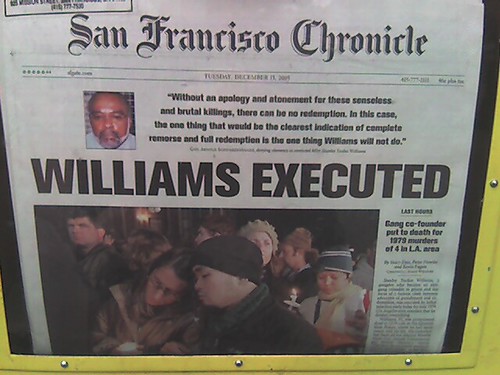
California death row inmates are experiencing a historic shift as Governor Newsom commutes the sentences of 548 individuals. This decision marks a significant turning point in the state’s approach to capital punishment.
Overview of the Commutation Decision
In a significant move, California Governor Gavin Newsom has commuted the sentences of all 548 inmates currently on death row in the state. This decision marks a pivotal shift in California’s approach to capital punishment and reflects a growing sentiment among lawmakers and the public regarding the ethics and efficacy of the death penalty.
The commutation decision stems from several factors, including concerns about wrongful convictions, the disproportionate impact of the death penalty on marginalized communities, and the high costs associated with maintaining death row. Critics of capital punishment argue that the system is flawed, with numerous cases highlighting individuals who were exonerated after spending years behind bars.
Moreover, public opinion has evolved, with a significant portion of Californians supporting alternatives to the death penalty. Newsom’s action aligns with a broader trend seen across the nation, where various states are reevaluating their capital punishment policies.
In his statement, Newsom emphasized the importance of addressing the systemic issues within the criminal justice system. He noted that this commutation is not just a legal decision but a moral one, aiming to promote a more humane approach to justice.
As California moves forward, the commutation of these death row inmates could set a precedent for other states considering similar reforms, reflecting a shift toward more compassionate and equitable sentencing practices.
Impact on California’s Justice System
The recent decision by Governor Gavin Newsom to commute the sentences of California death row inmates marks a significant shift in the state’s approach to capital punishment. This action not only affects those currently on death row but also has broader implications for the justice system as a whole.
One of the most immediate impacts is the re-evaluation of how the legal system handles severe crimes. With the commutation of sentences, California is moving towards a model that emphasizes rehabilitation over retribution. This change could lead to a reconsideration of sentencing guidelines, pushing for alternatives to the death penalty.
Additionally, the governor’s decision has sparked discussions around the moral and ethical implications of capital punishment. Critics argue that maintaining death row is a costly and inhumane practice, while supporters of the commutation believe it reflects a more compassionate justice system. The move may inspire similar actions in other states, potentially leading to a nationwide reassessment of death penalty policies.
Furthermore, this decision will likely influence public opinion. As more people become aware of the realities faced by California death row inmates, the conversation surrounding criminal justice reform is expected to evolve. In this context, fostering dialogue about the effectiveness and fairness of sentencing practices remains critical for the future of California’s justice system.
Reactions from Advocacy Groups
Advocacy groups have expressed a mix of relief and concern following Governor Gavin Newsom’s decision to commute the sentences of California death row inmates. Many organizations, including the American Civil Liberties Union (ACLU) and Death Penalty Focus, have long campaigned against the death penalty, arguing that it disproportionately affects marginalized communities and has not proven to be an effective deterrent to crime.
“This is a monumental step towards justice,” stated a spokesperson for the ACLU. “By commuting the sentences of these inmates, the state acknowledges the flaws within the system that have led to wrongful convictions and inhumane treatment.” The sentiment was echoed by numerous other advocacy groups, who emphasized the need for a more equitable approach to punishment.
However, some organizations that support victims’ rights expressed concern about the implications of such a sweeping commutation. “While we acknowledge the issues with the death penalty, we must also consider the voices of victims and their families,” remarked a representative from the Victims’ Rights Coalition. “This change should not overshadow the suffering experienced by those affected by violent crimes.”
As California death row inmates prepare for an uncertain future, the dialogue surrounding justice reform continues to evolve, reflecting a broader societal shift towards rehabilitation rather than retribution.
Historical Context of Death Penalty in California
The death penalty has a long and contentious history in California, reflecting broader societal attitudes toward capital punishment. Originally introduced in the state in 1849, the death penalty was upheld as a necessary measure for the most heinous crimes. However, its application has evolved significantly over the years.
In the 1970s, a landmark U.S. Supreme Court decision temporarily halted executions across the country, leading to a suspension of the death penalty in California. This moratorium sparked extensive legal battles and public debate over its morality and efficacy. In 1978, voters reinstated the death penalty through Proposition 7, which sought to expedite the process and expand the list of capital offenses.
Despite this resurgence, California’s death row inmates have faced numerous challenges, including lengthy appeals and a lack of execution facilities. Over the years, various governors have imposed moratoriums, reflecting a growing sentiment against the death penalty. In recent years, California’s death row population has reached an alarming number, with 548 inmates awaiting execution as of the latest counts.
The evolving legal landscape and shifting public opinion have led to significant changes in policies surrounding capital punishment. With the recent commutation of sentences, the future of California death row inmates remains uncertain, signaling a potential shift towards more humane approaches within the justice system.
Future of Capital Punishment in the State
The future of capital punishment in California is now facing significant uncertainty following the recent decision to commute the sentences of all 548 California death row inmates. Governor Gavin Newsom’s bold move signals a shift in the state’s approach to the death penalty, raising questions about its viability moving forward.
With public opinion increasingly favoring alternatives to capital punishment, the state may see a continued decline in support for the death penalty as a viable form of punishment. Recent surveys indicate that many Californians prefer life sentences without parole over execution. This evolving perspective could influence legislative measures in the coming years.
- Legal Challenges: As more states reconsider their death penalty statutes, legal challenges may arise, advocating for the abolition of capital punishment based on moral and ethical grounds.
- Resource Allocation: The financial burden of maintaining death row facilities is substantial. Resources previously allocated to capital punishment could be redirected to rehabilitation and crime prevention programs.
- Public Safety Concerns: Advocates argue that life imprisonment without parole can offer the same level of public safety, thus eliminating the need for the death penalty.
The decision to commute the sentences of California death row inmates represents a landmark moment in the state’s criminal justice history, potentially paving the way for a complete abolition of capital punishment in the future.
Recent legislative changes have sparked discussions about the future of California death row inmates. As the state reevaluates its stance on capital punishment, the lives of California death row inmates hang in the balance.
By Global X via Openverse
Where this came from
Related reading
Hegseth Pentagon Chief: Trump’s Smart Move or Wrong Choice? · Epidemic Preparedness: Proven Strategies for a Safer Future · Nithya Raman election win: A clear path to LA mayorality



Leave a Reply