

Delhi air quality is under scrutiny today as the city wakes up to an AQI of 279, classified as poor. This situation raises significant health concerns for the residents.
Understanding Air Quality Index
The Air Quality Index (AQI) serves as a crucial tool for assessing the level of pollution in the air we breathe. An AQI of 279, classified as ‘poor,’ indicates that the overall air quality in Delhi is significantly compromised. This level of air quality can have immediate effects on health, particularly for vulnerable populations.
When air quality deteriorates, it can lead to a range of health issues, including:
- Respiratory problems: Increased risk of asthma and other lung diseases.
- Cardiovascular issues: Higher chances of heart attacks and strokes.
- Long-term health effects: Prolonged exposure can lead to chronic illnesses.
Moreover, poor air quality can affect daily life in Delhi, limiting outdoor activities and increasing reliance on indoor air purifiers. It’s essential for residents to stay informed about the Delhi air quality and take necessary precautions to protect their health during periods of high pollution.
Health Effects of Poor Air Quality
The alarming air quality in Delhi, marked by an AQI of 279, poses significant health risks to its residents. Exposure to poor air quality can lead to a range of health issues, particularly for vulnerable populations such as children, the elderly, and those with preexisting conditions.
- Respiratory Problems: Poor air quality can exacerbate asthma and other respiratory diseases, making it difficult for individuals to breathe.
- Cardiovascular Issues: Long-term exposure to polluted air increases the risk of heart attacks and strokes due to elevated levels of particulate matter.
- Allergic Reactions: High levels of air pollution can trigger allergies and increase the severity of reactions, affecting daily activities.
- Mental Health Effects: Emerging studies suggest a link between air pollution and mental health disorders, including anxiety and depression.
With Delhi’s air quality consistently falling into the ‘poor’ category, it is crucial for residents to take precautions to mitigate these health risks and stay informed about air quality updates.
What Causes Delhi’s Pollution?
Delhi’s air quality has long been a concern for residents and authorities alike, especially when the Air Quality Index (AQI) reaches alarming levels like 279. Several factors contribute to this persistent issue, creating a toxic blend of pollutants in the air.
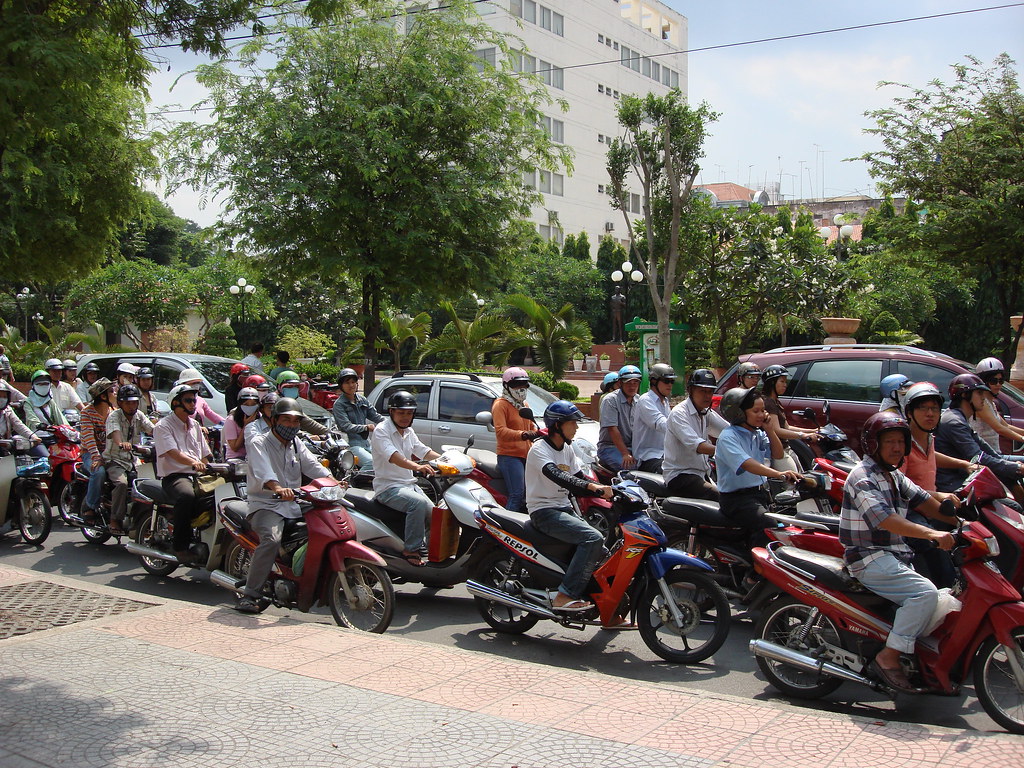
One major cause of Delhi’s pollution is vehicular emissions. The increasing number of vehicles on the road releases harmful gases, particularly nitrogen oxides and particulate matter. Additionally, industrial activities contribute significantly to air pollution, with factories emitting various pollutants into the atmosphere.
Another contributing factor is construction activities, which generate dust and other particulates. The frequent roadwork and building projects in the city exacerbate the situation, especially during dry seasons.
Seasonal changes also play a role; during winter, stubble burning in surrounding states adds to the pollution levels, causing a haze that blankets the city. Together, these factors paint a grim picture of Delhi’s air quality, highlighting the urgent need for effective mitigation strategies.
Government Response to Air Quality Issues
The alarming AQI of 279 in Delhi has prompted a swift response from the government, as officials scramble to address escalating air quality issues that have affected residents’ health and wellbeing. In light of the deteriorating conditions, authorities are implementing several measures aimed at reducing pollution levels.
Among the key actions being taken are:
- Increased Monitoring: The government has intensified air quality monitoring across the city to provide real-time updates and better inform the public.
- Public Awareness Campaigns: Initiatives are underway to educate citizens about air quality, encouraging practices that can help mitigate pollution.
- Regulations on Construction: Stricter regulations on construction activities have been enforced to limit dust and emissions contributing to poor air quality.
- Traffic Management: Plans to manage traffic flow and reduce vehicular emissions are being prioritized during high pollution days.
As the situation unfolds, the government emphasizes the importance of collective action to improve Delhi’s air quality for a healthier future.
The current Delhi air quality, with an AQI of 279, poses significant health risks for vulnerable populations. Experts warn that prolonged exposure to such Delhi air quality levels can lead to respiratory issues and other serious health concerns.
By Wolodymir Nelowkin via Openverse
References
The Indian Express · Delhi air quality
You might also like
Sila-Matteson Homologative Arylation: Proven Techniques Unveiled · Global Research Hub: Proven Solutions for Diabetes Care · Pancreatic cancer breakthrough: Best proven treatment option

Leave a Reply