
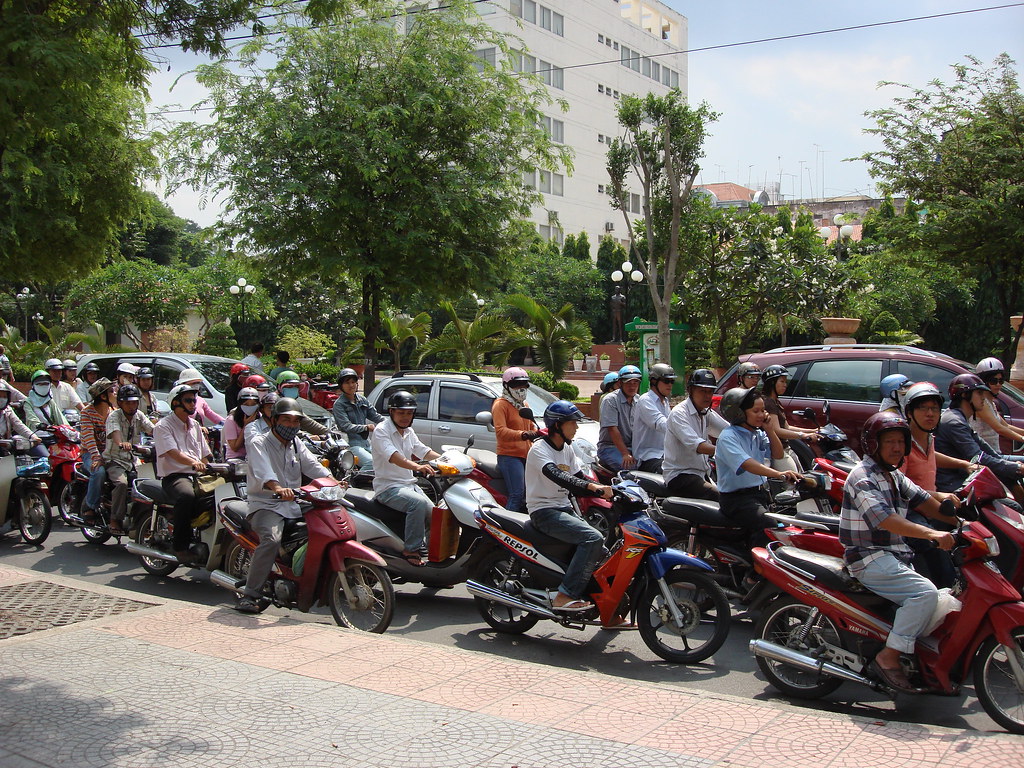
Bikers footpath traffic has become a controversial topic as bikers take to sidewalks to dodge congested roads. Recently, three women made headlines by refusing to move aside.
The Rise of Bikers on Footpaths
In recent months, the phenomenon of bikers utilizing footpaths to evade traffic has escalated, raising concerns among pedestrians and city officials alike. The rise of bikers on footpaths has transformed what were once safe walkways into chaotic zones, often leading to confrontations and accidents.
Reports indicate that many cyclists, frustrated by congested roads, are increasingly opting for footpaths to navigate through urban areas. This trend is not only a response to traffic jams but also reflects a growing impatience with traditional bike lanes that may be poorly maintained or non-existent.
One notable incident involved three women who refused to move aside as bikers sped past them on a crowded footpath. This confrontation highlights the tensions that have emerged as footpaths become a battleground for space between pedestrians and cyclists. Local authorities are now grappling with how to manage this escalating issue.
Many city dwellers express concerns over safety, as footpaths are meant for pedestrians, including children and the elderly. The mix of bikers and walkers creates an environment ripe for accidents and injuries. Urban planners are faced with the challenge of creating dedicated biking infrastructure that ensures the safety of all road users, while also addressing the frustrations of bikers seeking to avoid traffic congestion.
As the debate continues, the need for a balanced approach to urban mobility becomes increasingly urgent.
Traffic Congestion in Urban Areas
Traffic congestion in urban areas has become a pervasive issue, impacting commuters and residents alike. As cities grow and populations increase, the strain on roadways intensifies, leading many to seek alternative routes. Unfortunately, this has resulted in a surge of bikers utilizing footpaths as a means to dodge traffic.
The recent incident involving three women refusing to move aside for bikers highlights the growing tension between cyclists and pedestrians. This situation is not isolated; many pedestrians find themselves at risk as bikers take footpaths to avoid congested roads. The clash of interests raises several concerns:
- Safety: The presence of bikers on footpaths can jeopardize the safety of pedestrians, especially children and the elderly who may not expect to encounter fast-moving bicycles.
- Accessibility: Footpaths are designed for pedestrian use, and when bikers occupy this space, it limits accessibility for those with mobility challenges.
- Legal implications: Many cities have regulations prohibiting biking on footpaths, yet enforcement remains a challenge, leading to confusion and frustration among all parties involved.
As urban planners and local governments grapple with traffic congestion, it is crucial to consider the dynamics of bikers footpath traffic and create safer, more efficient alternatives for all road users.
Public Safety Concerns
As the number of bikers continues to rise, the use of footpaths as a means to avoid traffic congestion has sparked significant public safety concerns. While bikers may view this as a practical solution to navigate urban areas more efficiently, it often comes at the expense of pedestrian safety.
Many pedestrians feel endangered when bikers speed past them on footpaths, which are primarily designed for foot traffic. This situation creates an uncomfortable and dangerous environment for those simply trying to walk. Recent incidents have highlighted the severity of the issue, including an incident where three women refused to move aside for a group of bikers, resulting in a clash that drew public attention.
Authorities are now faced with the challenge of balancing the needs of cyclists and pedestrians. Some key points raised in recent discussions include:
- Increased Risk of Accidents: The likelihood of collisions between bikers and pedestrians increases as more cyclists opt for footpaths.
- Legal and Regulatory Challenges: Current laws may not adequately address the growing trend of bikers using footpaths, necessitating new regulations.
- Community Awareness: There is a need for increased awareness and education regarding safe biking practices in urban environments.
Ultimately, addressing the issue of bikers on footpaths is vital for ensuring the safety and comfort of all road users.
Community Reactions to Bikers
As the issue of bikers footpath traffic continues to escalate, community reactions have become increasingly vocal. Many residents express frustration over the growing number of cyclists who have taken to using footpaths as a means to avoid congested roadways. This behavior has sparked a myriad of opinions within neighborhoods.
Some community members argue that bikers on footpaths pose a significant risk to pedestrians, particularly in crowded areas. “It’s dangerous to walk on the footpath when you have to dodge bikes,” said local resident Maria Evans. “We need to prioritize the safety of walkers, especially children and the elderly.”
Conversely, there are those who sympathize with the bikers, recognizing the challenges posed by heavy traffic. “I understand why they do it,” commented Tom Richards, a frequent cyclist. “The roads are often gridlocked, and it can be frustrating. But footpaths are not the solution.”
Additionally, some individuals have taken to social media to voice their concerns. A recent poll conducted on a local forum showed that nearly 70% of respondents believe bikers should seek alternative routes rather than using footpaths.
- Increased awareness of pedestrian safety
- Calls for designated bike lanes
- Community discussions about traffic management
As the debate continues, it is clear that finding a balance between cyclist freedom and pedestrian safety remains a pressing concern for urban planners and residents alike.
Legal Implications of Footpath Riding
The increasing trend of bikers using footpaths to avoid congestion has raised significant legal implications. Riding on footpaths is generally prohibited in many urban areas, as these spaces are designed primarily for pedestrians. This practice not only endangers the safety of walkers but also places bikers at risk of legal repercussions.
Authorities have begun to crack down on footpath riding, issuing fines to those who violate the regulations. The enforcement of these laws aims to maintain public safety and ensure that all road users can coexist harmoniously. Some key legal considerations include:
- Local Ordinances: Many cities have specific laws that prohibit bicycles from being ridden on footpaths. Violating these ordinances can result in hefty fines.
- Liability Issues: In the event of an accident involving a biker and a pedestrian, determining liability can become complex, especially if the biker was on a footpath illegally.
- Insurance Implications: Bikers may find that their insurance policies do not cover accidents that occur while riding in prohibited areas, leading to significant out-of-pocket expenses.
As the debate continues over bikers’ rights and urban traffic solutions, understanding the legal ramifications of footpath riding becomes crucial for both bikers and pedestrians. With the rise in footpath traffic, the need for clear regulations and designated bike lanes is more pressing than ever.
Women Stand Their Ground
In a striking display of determination, three women in the heart of the city stood their ground against a group of bikers encroaching on the footpath. This incident highlights the growing issue of bikers footpath traffic, which has become a contentious topic among pedestrians and cyclists alike.
As the bikers attempted to navigate through heavy traffic by using the footpath, the women, who were out for a leisurely stroll, refused to step aside. Witnesses reported that the bikers became increasingly agitated, insisting that the footpath was a viable alternative to the congested roads. However, the women remained steadfast, arguing that footpaths are designated for pedestrians, not for two-wheeled vehicles seeking to bypass urban gridlock.
One of the women, Jane Doe, expressed her frustration, stating, “We have a right to use the footpath without the fear of being mowed down by cyclists.” This sentiment resonates with many in the community who feel that the rise of bikers on footpaths is not just a matter of convenience but a serious safety concern.
As urban areas continue to grapple with traffic congestion, the clash between bikers and pedestrians may escalate unless effective solutions are implemented. The incident serves as a reminder of the ongoing struggle for public space and safety in urban environments.
Possible Solutions to Traffic Issues
The increasing number of bikers using footpaths as a means to avoid congested roads raises significant concerns about traffic management and public safety. Addressing these issues requires a multifaceted approach to ensure the well-being of all road users.
One potential solution is the development of dedicated bike lanes that are physically separated from pedestrian walkways. This would not only provide a safe space for bikers but also reduce the temptation to ride on footpaths. Cities like Amsterdam have successfully implemented such infrastructure, resulting in decreased accidents and improved traffic flow.
Another measure could involve enhanced public awareness campaigns aimed at educating both bikers and pedestrians about the risks associated with footpath riding. These campaigns can highlight the importance of shared spaces and encourage mutual respect among all road users.
Local governments might also consider incentives for public transport usage. By improving the reliability and accessibility of public transit options, commuters may be less inclined to resort to biking on footpaths as a way to beat traffic congestion.
Lastly, implementing stricter enforcement of existing laws prohibiting footpath riding could deter bikers from this unsafe practice. Increased fines and penalties for violations could serve as a significant deterrent, promoting safer riding habits.
By exploring these possible solutions to traffic issues, communities can aim to create a safer, more harmonious environment for both bikers and pedestrians while addressing the ongoing challenge of bikers footpath traffic.
Bikers footpath traffic has become a significant issue in urban areas, often leading to dangerous encounters between cyclists and pedestrians. To truly alleviate congestion, cities must find better solutions than simply redirecting bikers footpath traffic onto already crowded sidewalks.
By Jorge Lascar via Openverse
References
You might also like
Russian missiles hit Poland: The Real Mistake Explained · Crude oil price forecast: Worst case scenario for 2027 · Bioresorbable Biphasic Scaffolds: Proven Microbubble Technology







Leave a Reply