
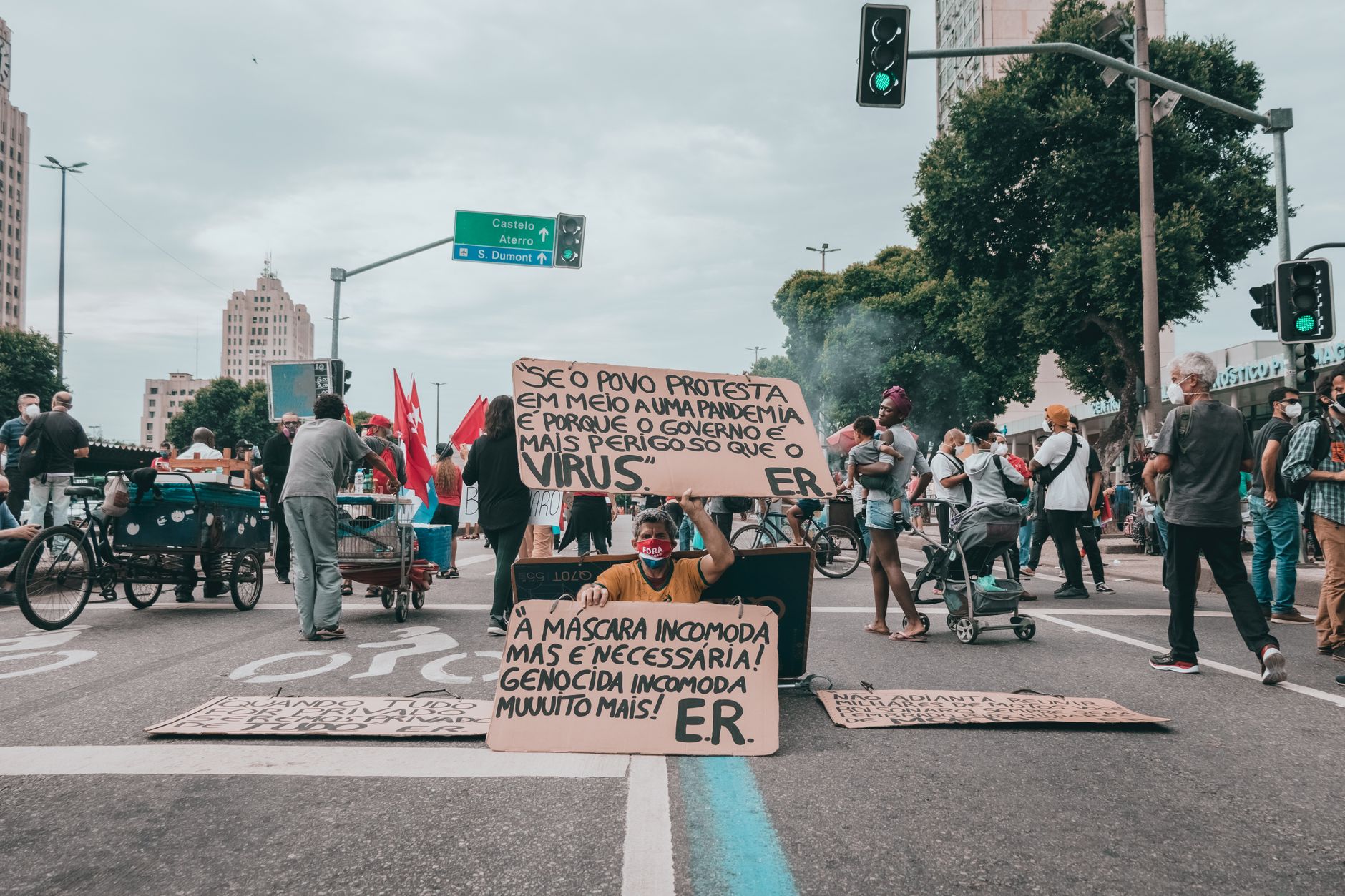
Rio students march against Flávio Bolsonaro, expressing their discontent and demanding change ahead of the crucial runoff elections in Brazil.
Background of the protests
The recent protests in Rio de Janeiro have sparked widespread discussion regarding the political climate in Brazil. In the lead-up to the presidential runoff, a group of students took to the streets, participating in a significant event dubbed the “Rio students march.” This demonstration primarily aimed to express discontent with Flávio Bolsonaro, son of former President Jair Bolsonaro, and his perceived influence on current governance.
The background of these protests is rooted in a growing sense of frustration among young Brazilians, who feel that their voices are not being heard in the political arena. Many believe that the policies advocated by the Bolsonaro family do not address the pressing issues facing their generation, such as education, job opportunities, and climate change.
As students rallied together, they emphasized the importance of civic engagement and the need for systemic change. The Rio students march was not only a protest but also a call for unity among the youth to challenge the status quo and advocate for a brighter future.
Key demands from the students
The recent protests in Rio de Janeiro, where students march against Flávio Bolsonaro, have highlighted several key demands from the participants. These young activists are calling for change in the political landscape and a response to their concerns about the current administration. Their main demands include:
- Improved Educational Funding: Students are advocating for increased investment in public education to ensure better resources, facilities, and opportunities.
- Climate Action: The marchers are urging the government to take stronger action on climate change, emphasizing sustainable policies that protect Brazil’s diverse ecosystems.
- Social Justice: Many students are calling for measures to address inequality and promote social justice, aiming for fair treatment across all communities.
- Protection of Rights: The need for safeguarding civil liberties and human rights is a central theme, particularly in relation to freedom of expression and assembly.
As the Rio students march, their voices echo a demand for a more equitable and responsive government.
Impact on the upcoming election
The recent Rio students march has significant implications for the upcoming election, particularly in the context of the political climate surrounding President Bolsonaro. As young activists voice their dissent, they are not only expressing their discontent but also mobilizing a generation that feels sidelined by current leadership.
Political analysts suggest that the participation of students in these protests could sway undecided voters, especially those who prioritize education and social justice. The youthful energy displayed during the Rio students march resonates with many citizens who are eager for change.
Moreover, the protests could lead to a re-evaluation of Flávio Bolsonaro’s campaign strategies. With students actively challenging his policies, there is a potential for a shift in voter sentiment as they bring attention to key issues such as:
- Education funding
- Environmental concerns
- Social inequality
As the election approaches, the impact of these movements will be closely monitored, potentially influencing the outcome in significant ways.
Responses from Flávio Bolsonaro
In response to the recent protests, Flávio Bolsonaro, a prominent political figure and son of the former president, has addressed the ongoing demonstrations stemming from the Rio students march. He expressed his concerns regarding the motives behind the protests, asserting that the students are being influenced by radical ideologies rather than genuine grievances.
Flávio emphasized the importance of dialogue and understanding, urging the youth to engage in constructive conversations rather than resorting to marches that could polarize society further. He stated, “We must find common ground to foster a better future for our country, instead of dividing us with protests.”
Furthermore, he criticized the timing of the protests, suggesting that they could disrupt the political landscape just ahead of the elections. In a series of social media posts, Flávio reiterated his commitment to addressing the needs of young Brazilians while calling for unity as the nation approaches a pivotal moment in its democratic process.
Future of student activism in Brazil
The recent Rio students march has sparked a renewed discussion about the future of student activism in Brazil. As young people take to the streets, their voices resonate with the concerns of many who feel marginalized under the current administration. This wave of activism is marked by a strong commitment to social justice, education reform, and democratic values.
Students are increasingly leveraging social media to organize and amplify their messages, creating a more connected and informed generation. Their ability to mobilize quickly and effectively is a testament to the changing landscape of political engagement in Brazil.
However, the question remains whether this movement can sustain its momentum beyond the immediate protests. As the nation approaches critical elections, the role of these young activists will be pivotal in shaping Brazil’s political future. The outcome of their efforts may redefine student activism, influencing not only their peers but also the broader social movements across the country.
Photo by michelle guimarães on Pexels
Where this came from
Christa Pike execution: What went wrong and why? · Insurance innovation challenge: What is the best way to boost MSME resilience? · AI Science Initiative: Trump Admin Receives $100M Boost







Leave a Reply