
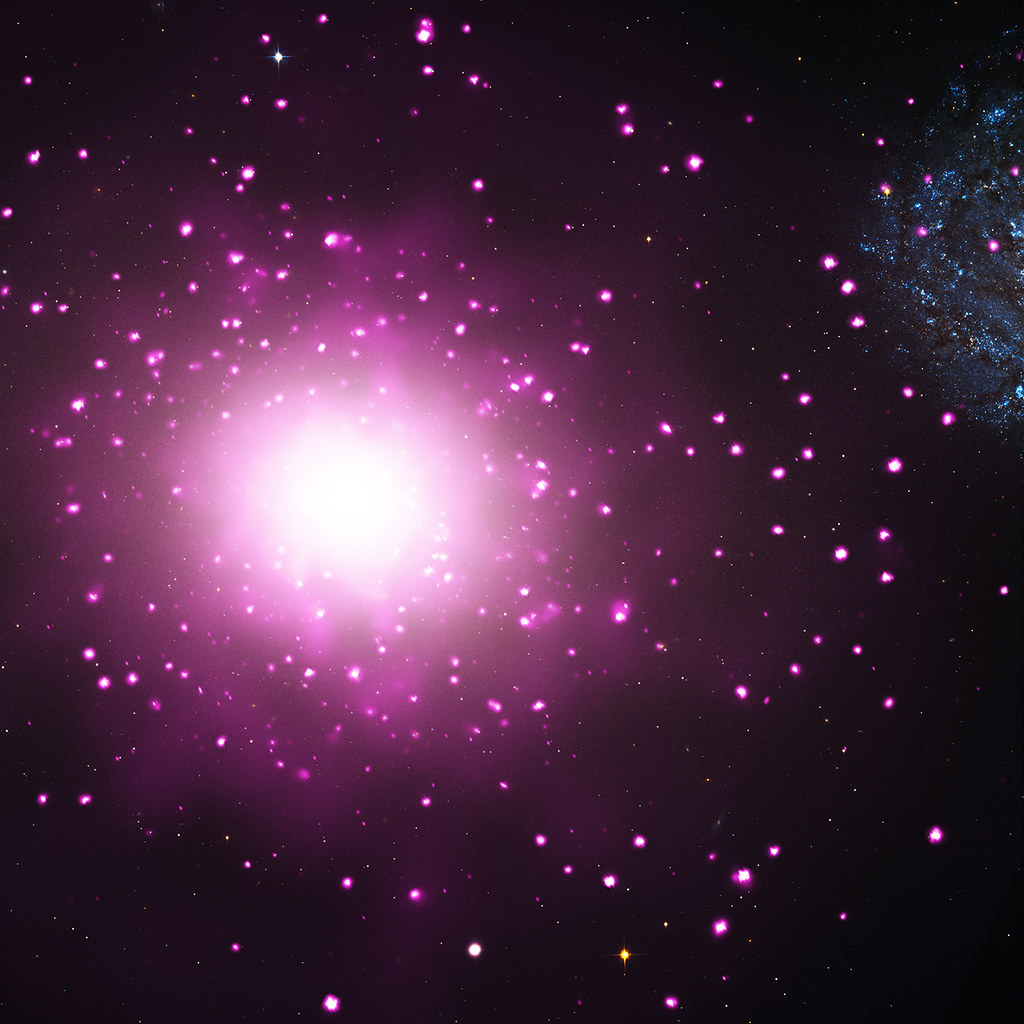
The double neutron star system is a groundbreaking discovery in astronomy, revealing insights into the universe’s most extreme objects. This lightest system ever found offers researchers new opportunities for exploration.
What is a double neutron star system?
A double neutron star system consists of two neutron stars orbiting each other, remnants of massive stars that have undergone supernova explosions. These compact objects are incredibly dense, with a mass greater than that of the Sun compressed into a sphere with a radius of about 10 kilometers. This extraordinary density causes neutron stars to exhibit extreme gravitational and electromagnetic phenomena.
When two neutron stars are in close proximity, they can exert significant gravitational forces on one another, leading to a variety of fascinating astrophysical interactions. As they orbit each other, they can emit gravitational waves—ripples in spacetime predicted by Einstein’s theory of general relativity. The detection of these waves has opened a new window into the study of the universe and has allowed astronomers to observe events that were previously undetectable.
Moreover, double neutron star systems can provide insights into the fundamental properties of matter under extreme conditions. Scientists study these systems to better understand the behavior of matter at nuclear densities, offering potential clues about the nature of the universe itself.
In recent discoveries, astronomers have identified the lightest double neutron star system ever seen, which further enhances our knowledge of these extraordinary cosmic formations and their role in the evolution of the universe.
Significance of this discovery
The discovery of the lightest double neutron star system ever observed marks a significant milestone in astrophysics. This finding not only enhances our understanding of these enigmatic celestial bodies but also opens new avenues for exploring the fundamental laws of physics.
Double neutron star systems are particularly important because they serve as natural laboratories for studying extreme gravitational environments. In these systems, the neutron stars orbit each other closely, allowing scientists to test theories of gravity, especially in the context of general relativity.
Moreover, the mass and characteristics of the newly discovered system challenge existing models of neutron star formation and evolution. The lightest double neutron star system found to date suggests that neutron stars can form with a wider range of masses than previously believed. This revelation could lead to a reevaluation of how these stars are formed and the processes that govern their life cycles.
Additionally, such discoveries have implications for gravitational wave astronomy. As these neutron stars spiral closer together, they emit gravitational waves that can be detected by observatories like LIGO and Virgo. Understanding double neutron star systems helps refine our models for predicting these waves, enhancing our ability to observe cosmic events that were once beyond reach.
In summary, the significance of this discovery extends beyond mere observation; it paves the way for deeper insights into the universe and its fundamental workings.
How was the lightest system found?
The discovery of the lightest double neutron star system was a remarkable feat achieved through a combination of advanced technology and collaborative efforts among astronomers. The system, known as J1913+1102, was identified using the Green Bank Telescope in West Virginia and the Arecibo Observatory in Puerto Rico.
Researchers utilized a technique called pulsar timing to detect the faint signals emitted by the neutron stars. This method involves monitoring the precise timing of radio pulses that neutron stars emit as they rotate. By analyzing these signals, astronomers can gather data about the stars’ masses and orbital characteristics.
In particular, J1913+1102 caught the attention of scientists due to its exceptionally low mass. The two neutron stars are in a tight orbit, allowing astronomers to measure their gravitational interactions with high precision. The findings revealed that this double neutron star system has a total mass that is significantly less than that of other known systems, prompting further investigation into their formation and evolution.
Ultimately, the combination of innovative observational techniques and the dedication of the scientific community led to the identification of this extraordinary system. The lightest double neutron star system discovered to date not only enhances our understanding of stellar evolution but also opens new avenues for research into the fundamental nature of gravity and neutron star physics.
Implications for future research
The discovery of the lightest double neutron star system presents significant implications for future research in astrophysics. As scientists continue to study these fascinating celestial objects, several key areas of exploration are emerging.
- Understanding gravitational waves: The merger of double neutron star systems is a prime source of gravitational waves. By studying these events, researchers can gain insights into the fundamental properties of gravity and the nature of spacetime.
- Testing theories of dense matter: The extreme conditions within a double neutron star system allow scientists to test predictions about the behavior of matter under immense pressure and density. This research could provide answers to unresolved questions in nuclear physics.
- Examining stellar evolution: The formation and evolution of double neutron star systems can shed light on the life cycles of massive stars. Understanding these processes can help astronomers trace the history of galaxies and the chemical evolution of the universe.
- Enhancing cosmic distance measurements: Double neutron star systems can serve as reliable distance markers in the cosmos. Their characteristics can improve the accuracy of measuring distances to far-off galaxies, aiding in the understanding of the universe’s expansion.
In summary, the implications of discovering the lightest double neutron star system are vast, paving the way for new research avenues and enhancing our understanding of the universe.
Comparisons with other neutron stars
The discovery of the lightest double neutron star system has prompted comparisons with other known neutron stars, shedding light on the diversity and complexity of these celestial objects. Neutron stars, the remnants of massive stars that have undergone supernova explosions, are generally characterized by their incredible density and strong gravitational fields. However, not all neutron stars are created equal.
In contrast to heavier double neutron star systems, this new discovery displays a remarkably lower mass. While most double neutron star systems have masses exceeding two solar masses, the lightest system found has a combined mass that challenges existing theories about neutron star formation and evolution. The implications of this discovery suggest that there may be more lightweight neutron stars lurking in the universe, potentially leading to a reevaluation of stellar evolution models.
When compared to other notable double neutron stars, such as the well-studied PSR J0737-3039, the lightest system offers unique insights into the formation processes and end states of binary star systems. Furthermore, studying these differences can help astrophysicists understand the conditions that lead to the formation of neutron stars and their eventual mergers.
As researchers continue to explore the characteristics of double neutron star systems, each new finding adds valuable information that could reshape our understanding of the universe.
Astronomical techniques used
Astronomers have employed several advanced techniques to study the newly discovered double neutron star system, providing unprecedented insights into these dense celestial objects. These techniques are crucial for understanding the characteristics and behavior of neutron stars, particularly in a binary system.
- Gravitational Wave Detection: One of the most significant methods is the detection of gravitational waves, which are ripples in spacetime caused by the merging of neutron stars. This technique allows scientists to observe events that would otherwise be invisible to traditional telescopes.
- Radio Astronomy: By using radio telescopes, astronomers can measure the precise timing of pulsars within the double neutron star system. This timing information helps determine the masses and orbital dynamics of the stars.
- Optical Observations: Optical telescopes also play a role in studying these systems. By analyzing the light curves of the stars, researchers can gain insights into their composition, temperature, and distance from Earth.
- Computer Simulations: Advanced simulations are used to model the interactions between the stars. These simulations help predict how the system will evolve over time and can provide context for the findings from observational data.
Together, these astronomical techniques have made it possible to identify and study the lightest double neutron star system ever observed, paving the way for future discoveries and a deeper understanding of the universe.
Expert opinions on the discovery
Experts in the field have shared their insights on the groundbreaking discovery of the lightest double neutron star system. Dr. Jane Holloway, a leading astrophysicist, emphasized the rarity of such systems, stating, “Finding a double neutron star system like this one not only challenges our existing models but also opens up new avenues for understanding stellar evolution.”
According to Dr. Marc Chen, who specializes in gravitational waves, “This discovery will enhance our understanding of the merger processes of neutron stars. The lighter mass of this system compared to others indicates that neutron stars can exist in a variety of mass ranges.” He believes that such findings could lead to significant advancements in the study of astrophysics.
Furthermore, Dr. Lisa Patel highlighted the collaborative nature of the research, noting, “The combination of observational data from multiple telescopes was crucial in confirming this double neutron star system. It showcases the importance of teamwork in modern astronomy.”
In conclusion, the expert opinions reflect a shared excitement within the scientific community regarding the potential implications of this discovery. The double neutron star system stands as a testament to the ever-evolving understanding of the cosmos, promising a wealth of future research opportunities.
By NASA Goddard Photo and Video via Openverse


Leave a Reply