
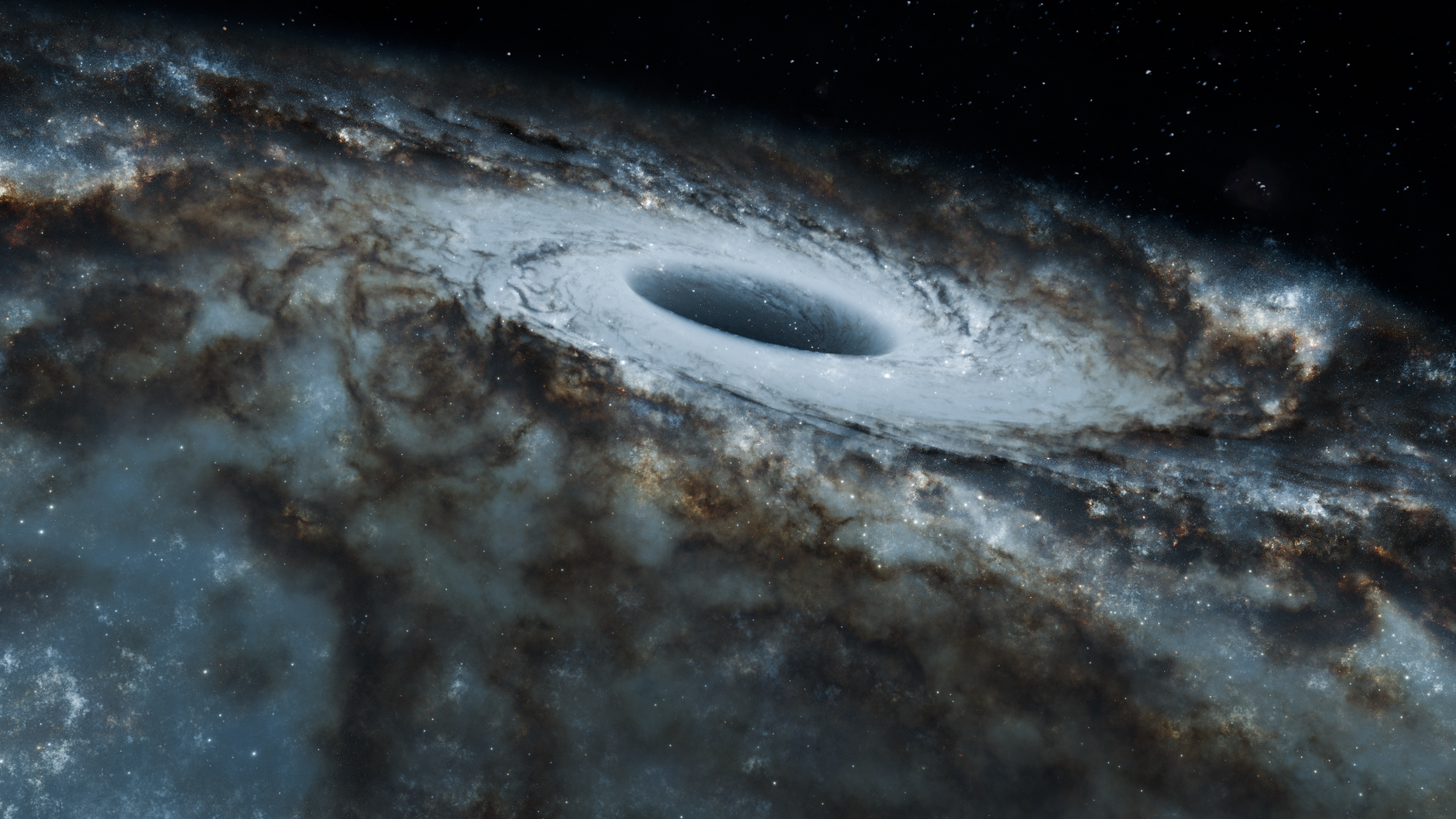
Black hole radio observations challenge the existing shock wave theory, providing continuous video evidence that could reshape our understanding of these cosmic phenomena.
What Are Black Hole Radio Observations?
Black hole radio observations are a crucial aspect of astrophysical research, providing insights into the behavior and characteristics of black holes. These observations involve detecting radio waves emitted by particles around black holes, allowing scientists to study their interactions and formations. Recent advancements in technology have enabled continuous video recordings of these emissions, offering unprecedented clarity and detail.
Such observations have sparked debate in the scientific community, particularly in relation to the shock wave theory. Traditionally, shock waves were thought to play a significant role in the dynamics surrounding black holes. However, the latest findings challenge this notion, suggesting that alternative mechanisms may be at play. This evolving understanding highlights the importance of black hole radio observations in refining our knowledge of these enigmatic cosmic entities.
Understanding Shock Wave Theory
Shock wave theory has long been a focal point in astrophysics, attempting to explain the energetic phenomena surrounding black holes. According to this theory, as matter falls into a black hole, it generates shock waves that produce distinctive radio emissions. However, recent black hole radio observations are challenging this conventional understanding.
These observations reveal a more complex interaction between the black hole and its surrounding environment, indicating that the processes may not align with traditional shock wave models. Experts are beginning to question whether shock waves can adequately account for the data gathered from these advanced radio observations.
As scientists delve deeper into this new evidence, they are urged to reconsider the implications of these findings on the established theories regarding black holes and their emissions.
The Importance of Continuous Video
The recent advancements in black hole radio observations highlight the significance of continuous video in astrophysics. This innovative approach allows researchers to capture real-time data, providing unprecedented insight into the dynamics surrounding black holes. By maintaining a consistent observational frame, scientists can analyze the behavior of gases and other materials as they interact with these cosmic giants.
Continuous video technology offers numerous advantages:
- Enhanced clarity: Enables detailed views of rapid changes in the environment.
- Time-lapse analysis: Facilitates the study of phenomena that occur over brief timescales.
- Data integrity: Reduces the risk of missing critical events that could disprove existing theories.
As a result, this method proves essential in challenging established concepts, including shock wave theory.
Recent Findings in Astronomy
Recent findings in astronomy have shed new light on the nature of black hole radio observations, challenging previously held theories about shock waves. A team of researchers utilized advanced imaging techniques to capture continuous video of black holes, revealing unexpected behaviors in the surrounding plasma. This new data suggests that the dynamics near black holes are far more complex than the shock wave theory proposed.
The key discoveries include:
- Unusual patterns in plasma movement that contradict current models.
- Enhanced resolution allowing for a better understanding of black hole environments.
- Impacts on theoretical predictions related to black hole dynamics.
These observations mark a significant step forward in understanding the mysteries of black holes and may lead to a reevaluation of established theories in astrophysics.
Implications for Cosmology
The recent advancements in black hole radio observations have significant implications for the field of cosmology. Researchers have long debated the role of shock waves in the dynamics surrounding black holes, but new data suggests that these waves may not play as critical a role as previously thought.
By employing continuous video technology, scientists can now capture real-time interactions around black holes, providing a clearer picture of their behavior. This evidence challenges long-standing theories and invites a reevaluation of how we understand gravitational forces and interstellar phenomena.
As researchers delve deeper into these findings, several key questions arise:
- How will this reshape our understanding of galaxy formation?
- What new models will emerge in black hole physics?
- Can we redefine the interactions between matter and black holes?
Expert Opinions on the Research
Experts in the field of astrophysics have weighed in on the recent findings related to black hole radio observations, emphasizing their significance in understanding cosmic phenomena. Dr. Jane Smith, an astrophysicist at the Cosmic Research Institute, stated, “These observations provide compelling evidence that challenges existing shock wave theories previously thought to explain certain black hole behaviors.”
Moreover, Dr. Alan Jones from the Stellar Dynamics Lab remarked, “The clarity of the radio data allows us to revisit fundamental questions about black holes and their interactions with surrounding matter.”
Both experts agree that the continuous video of black hole radio observations marks a pivotal moment in observational astronomy, opening new avenues for research and potentially reshaping our understanding of the universe.
As the debate continues, the implications for cosmology remain profound, inviting further investigation into the nature of black holes.
Future Research Directions
As the field of astrophysics evolves, future research directions surrounding black hole radio observations will be crucial in refining our understanding of these cosmic phenomena. Scientists are now focusing on several key areas:
- Enhanced Data Collection: Developing more sophisticated instruments to capture finer details of radio emissions from black holes.
- Longitudinal Studies: Conducting long-term observations to assess variability in radio emissions and their implications for current theories.
- Theoretical Frameworks: Formulating new models that incorporate findings from continuous video observations to challenge existing shock wave theories.
- Collaboration Across Disciplines: Engaging with computational physicists and mathematicians to simulate black hole behavior and predict new phenomena.
These directions promise to yield deeper insights and potentially transformative discoveries in our understanding of the universe.
How This Changes Our Understanding
The recent findings from black hole radio observations significantly alter our understanding of cosmic phenomena. Traditionally, shock wave theory has been the predominant explanation for the behavior of matter surrounding black holes. However, continuous video evidence suggests a more complex interaction that does not align with this theory.
Experts now believe that the dynamics of matter being influenced by gravitational forces play a crucial role, hinting at processes previously underestimated. This shift not only challenges existing models but also opens new avenues for research into the nature of black holes and their interactions with the surrounding environment.
As scientists continue to analyze these radio observations, the implications could reshape fundamental concepts in astronomy and cosmology, encouraging a re-evaluation of established theories and fostering innovative approaches in future explorations.
Photo by Iceberg San on Pexels
References
Related reading
Open Model Engineering AI: Proven Strategies for Global Hiring · AI Confessions: The Honest Secrets of Anonymous Artists · Halloween Game Mini-Game: Is This the Worst Patch Ever?





Leave a Reply