
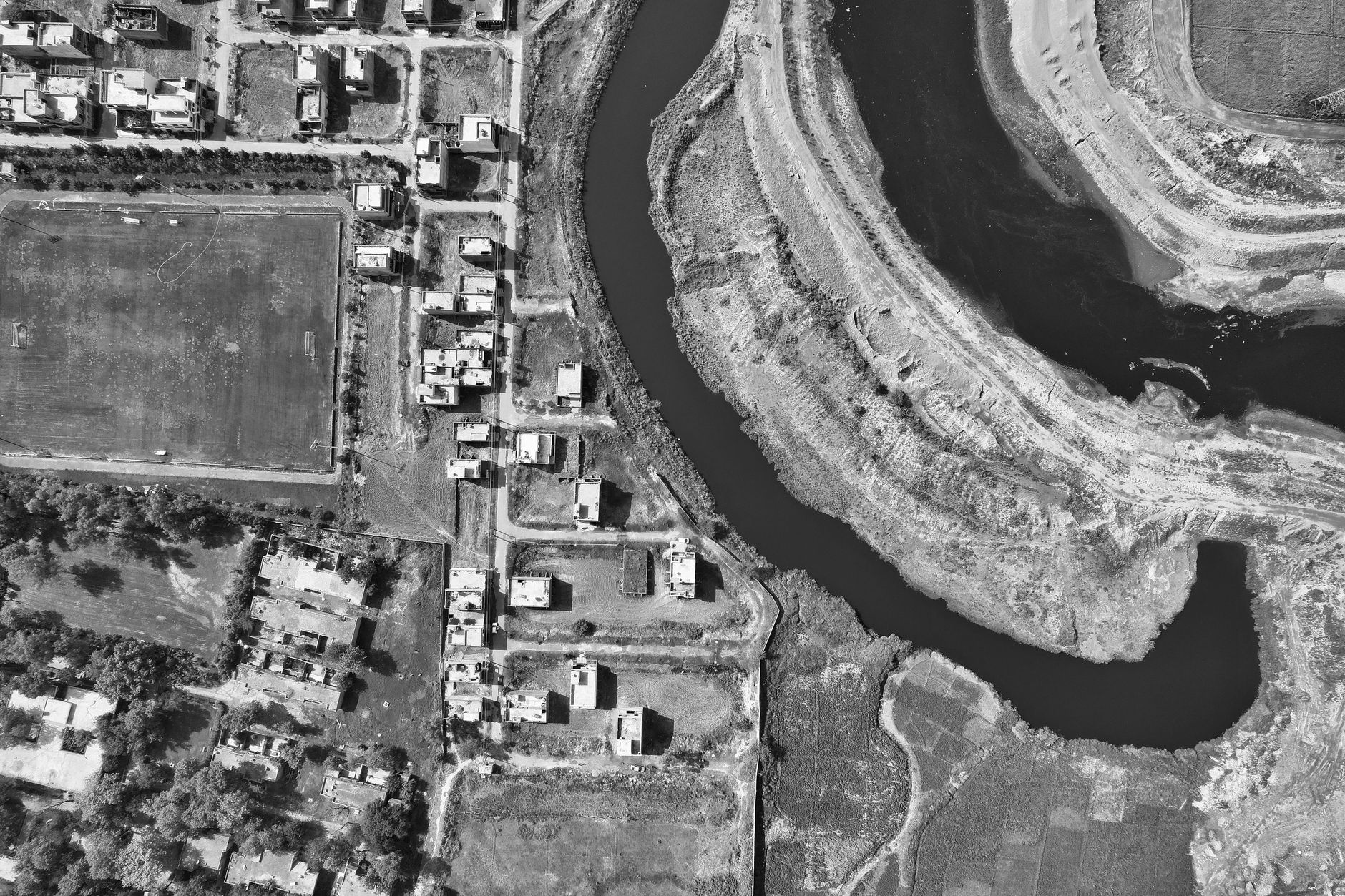
Hydrologic regime alteration is reshaping river ecosystems in mountainous regions. This article explores the effects of dam-induced changes on seasonal flow and aquatic habitats.
Understanding Hydrologic Regime Alteration
Hydrologic regime alteration refers to changes in the natural flow patterns of rivers and streams, often caused by human activities such as dam construction, urbanization, and land use changes. These alterations can have profound effects on aquatic ecosystems and water quality.
One significant impact of hydrologic regime alteration is the redistribution of seasonal flows. This phenomenon occurs when the timing and magnitude of river discharge are modified, disrupting the natural cycles that many aquatic species rely on for survival. For instance, earlier spring runoff due to reservoir releases can lead to mismatches in spawning times for fish species.
Factors contributing to hydrologic regime alteration include:
- Dams and water management practices
- Urban development affecting watershed characteristics
- Climate change influencing precipitation patterns
Understanding these changes is crucial for developing effective management strategies aimed at conserving aquatic ecosystems and ensuring sustainable water resources for future generations.
The Role of Dams in River Systems
Dams play a crucial role in altering the hydrologic regime of river systems. By modifying the natural flow of water, they can significantly impact the ecological and hydrological characteristics of rivers.
Some key effects of dams on river systems include:
- Flow Regulation: Dams store and release water in a controlled manner, leading to changes in seasonal flow patterns.
- Habitat Alteration: The creation of reservoirs can inundate natural habitats, affecting local flora and fauna.
- Sediment Transport Disruption: Dams prevent the natural movement of sediments downstream, which can harm aquatic ecosystems.
- Water Quality Changes: Altered flow regimes can influence temperature and oxygen levels, impacting water quality.
- Flood Risk Management: While dams can help mitigate flooding, they may also lead to new flood risks downstream due to sudden releases of water.
In summary, the role of dams in river systems is multifaceted, leading to significant hydrologic regime alteration that can have lasting effects on both the environment and human activities.
Seasonal Flow Redistribution Explained
Seasonal flow redistribution is a crucial aspect of hydrologic regime alteration, particularly in dam-affected river systems. Dams can significantly modify the natural flow patterns of rivers, leading to altered seasonal water availability that impacts ecosystems and human communities alike.
When a dam is constructed, the natural flow regime is disrupted, resulting in:
- Increased water retention: Water is stored behind dams, which can change the timing and amount of flow downstream.
- Altered flood pulses: Seasonal floods that once replenished wetlands and supported aquatic life may be diminished or completely absent.
- Reduced low flows: During dry seasons, the regulated flow may not meet the ecological needs of the river, adversely affecting fish and plant species.
These changes can lead to significant ecological consequences, including habitat loss and decreased biodiversity. Understanding the implications of hydrologic regime alteration is essential for effective river management and conservation strategies.
Impact on Aquatic Life
The alteration of hydrologic regimes significantly affects aquatic life in river ecosystems. Changes in flow patterns, temperature, and sediment transport can disrupt the delicate balance that many species depend on for survival.
Key impacts on aquatic life include:
- Altered habitats: Species that rely on specific flow conditions for spawning and feeding may struggle to adapt to new environments.
- Invasive species proliferation: Changes in hydrologic regimes can create opportunities for invasive species to thrive, further threatening native populations.
- Temperature fluctuations: Increased water temperatures due to reduced flow can lead to thermal stress for sensitive species, impacting their growth and reproduction.
- Nutrient cycling disruption: The alteration in sediment transport can affect nutrient delivery to aquatic plants, which are fundamental to the food web.
Overall, hydrologic regime alteration poses significant risks to biodiversity, making it crucial to understand and address these changes to protect aquatic ecosystems.
Water Management Strategies
Effective water management strategies are essential in addressing the challenges posed by hydrologic regime alteration. These strategies aim to mitigate the negative impacts on river ecosystems and maintain a balanced water supply for human needs.
Several key approaches can be employed:
- Integrated Water Resources Management (IWRM): This approach promotes the coordinated development and management of water, land, and related resources to maximize economic and social welfare without compromising the sustainability of vital ecosystems.
- Flow Restoration Techniques: Implementing measures such as releasing environmental flows from dams can help restore natural flow patterns, thus improving habitat conditions for aquatic species.
- Adaptive Management: Utilizing an adaptive management framework allows water managers to adjust strategies based on monitoring results and changing environmental conditions, ensuring resilience against ongoing alterations in hydrologic regimes.
- Public Engagement: Involving local communities in water management decisions fosters a sense of stewardship and encourages sustainable water use practices that align with ecological health.
By adopting these strategies, stakeholders can work towards minimizing the consequences of hydrologic regime alteration on river systems.
Future of Mountainous Rivers
The future of mountainous rivers is increasingly affected by hydrologic regime alteration, which poses significant challenges for ecosystems and human populations. As climate change continues to influence weather patterns, the natural flow of rivers is disrupted, leading to unpredictable seasonal variations.
One of the main concerns is the impact on water availability for both wildlife and communities that rely on these water sources. The alteration of flow regimes can lead to:
- Increased flooding during peak events, which can damage infrastructure and habitats.
- Decreased water quality due to stagnant conditions, affecting drinking water sources.
- Altered sediment transport patterns that can reshape riverbanks and deltas.
Furthermore, the decline in biodiversity associated with these changes can have long-lasting effects on the ecological balance of mountainous regions. To mitigate these impacts, integrated water management strategies that take into account both human needs and environmental health are essential. Adapting to these changes will require collaboration among stakeholders, including government agencies, conservationists, and local communities.
Photo by Altaf Shah on Pexels


Leave a Reply